DAN's Safety Guidance, Condensed: What the Research Body Actually Recommends
Divers Alert Network is not a training agency and issues no certifications. It collects the injury data, then publishes guidance based on it. Here is that guidance, in the order it matters.
Wednesday, August 12, 2026/4 min read
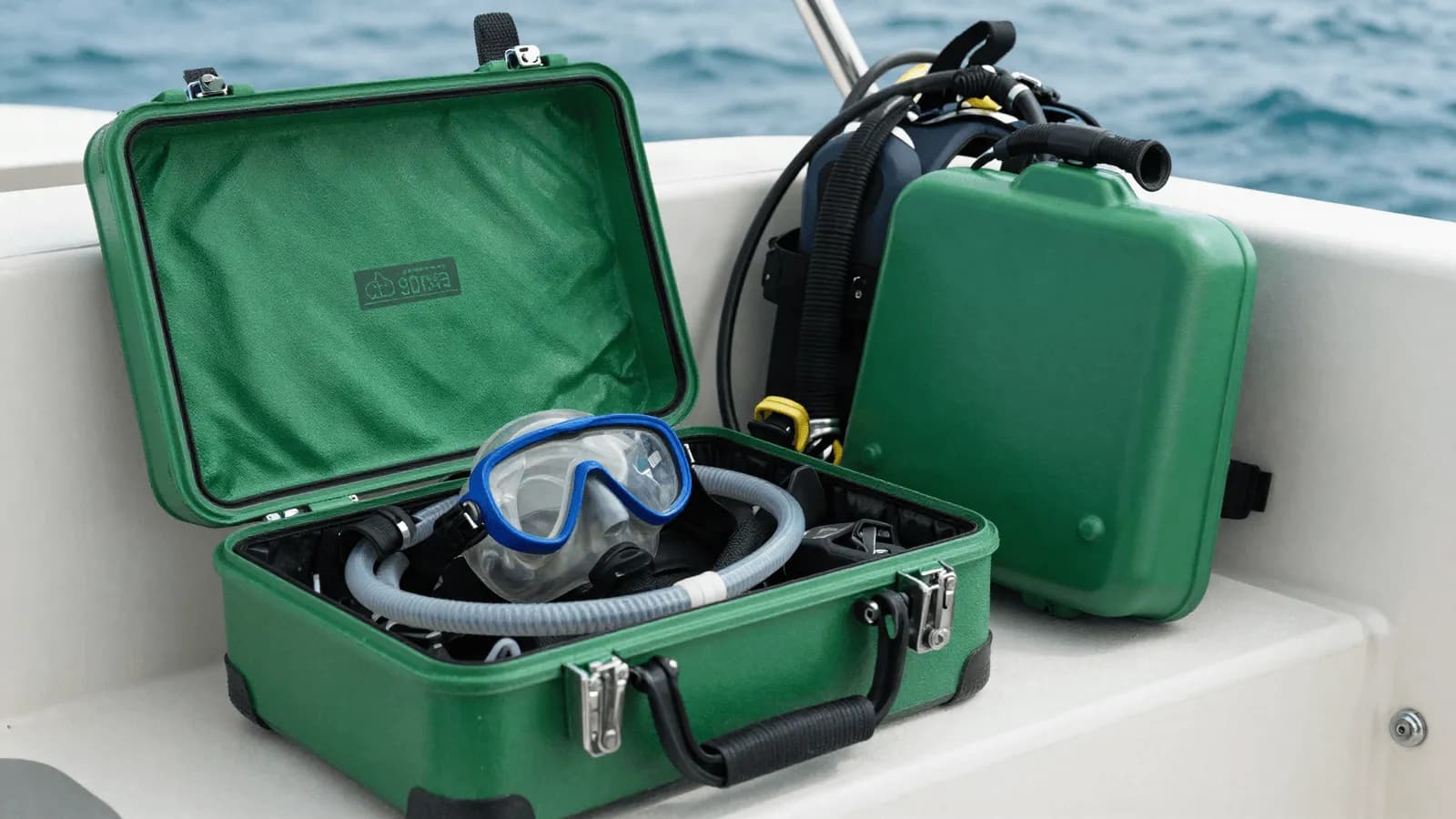
Divers Alert Network occupies an unusual position. It does not certify divers, does not sell courses that lead to a card, and has no commercial interest in telling you that you are ready for the next level. What it does is run the emergency hotline, fund the research, insure divers, and publish the fatality and injury data that everyone else's safety material is built on.
That makes its guidance worth reading on its own terms, because it is derived from the cases rather than from a syllabus. Below is the substance of it, organised by how much difference each item makes.
1. Fitness to dive is the largest single lever
The recurring finding in recreational fatality data is cardiovascular. A substantial majority of recorded deaths involve divers aged 50 or over, and pre-existing cardiac disease appears again and again in the case files.
DAN's position is not that older divers should stop. It is that diving is a demanding activity in a place where you cannot be resuscitated quickly, and it should be entered with the same seriousness as any other exertion.
The practical guidance:
- Answer the medical questionnaire honestly. It exists to find the conditions that matter, and lying on it defeats the only screening the sport has.
- Get a diving medical if anything on it is a yes, and see a physician who understands diving rather than a general practitioner improvising.
- Treat unexplained breathlessness, chest discomfort or reduced exercise tolerance as a reason to stop diving until it is investigated.
- Maintain aerobic fitness between trips. A week of diving after eleven months on the sofa is the classic profile.
The specifics of the form, including how PFO, asthma and diabetes are actually handled, are in our guide to the medical questionnaire.
2. Gas management, monitored rather than assumed
Insufficient breathing gas is the most common disabling agent across the fatality data. Not equipment failure. Monitoring.
DAN's guidance is conventional and unglamorous: know your consumption rate, check the gauge at fixed intervals rather than when you remember, plan turn pressures before the dive rather than during it, and treat the reserve as untouchable rather than as a bonus.
3. Ascent rate and the safety stop
Slow ascents and a stop at around five metres are the cheapest risk reduction available. DAN has advocated slower rates than the classic tables for years, and modern computers reflect that.
The reasoning, and why the stop is not a decompression obligation but is still worth doing, is set out in our explainer on the safety stop.
4. Conservatism as a decision, not an accident
DAN's advice on decompression is to add margin deliberately for the things algorithms cannot see: dehydration, cold, hard work at depth, poor sleep, age, and repetitive multi-day diving.
Your computer is running a model, and the model has no idea how you feel. We wrote about that limitation in what dive computers cannot know.
5. Flying after diving
The DAN-backed consensus is the one most divers can recite and many still cut fine: a minimum of 12 hours after a single no-decompression dive, 18 hours after multiple dives or multiple days, and longer after decompression dives.
These are minimum surface intervals, not targets. The last day of a dive holiday is exactly when people are tired, dehydrated and inclined to squeeze one more in.
6. Oxygen first aid, and knowing it is there
DAN's most distinctive contribution to field practice is emergency oxygen. For suspected decompression illness, high-concentration oxygen administered early improves outcomes and buys time.
The guidance divides into two parts, one for operators and one for you. Operators should carry oxygen with enough duration to reach definitive care, and staff trained to deploy it. Divers should ask whether it is on the boat, and where the nearest chamber is. Our overview of chamber coverage across the Red Sea and Gulf makes the point that the answer is often further away than people assume.
7. Have an emergency plan before you need one
DAN's emergency framework is about pre-arranged answers: who to call, what the evacuation route is, who is paying for it.
The financial half is not a detail. A chamber ride plus an air evacuation runs into serious money, and this is the practical argument for membership, which we cover in what DAN membership actually covers and who ends up paying for a rescue.
8. Report the near miss
The least followed piece of guidance. DAN's incident reporting exists because the fatalities are the visible tip of a much larger body of events, and the near misses are where the preventable patterns are legible.
Reporting one costs you a few minutes and no reputation. Diving improves because people did.
The through-line
Almost none of DAN's guidance is about being a better diver in the athletic sense. It is about health, monitoring, margin, and having decided in advance what happens when something goes wrong.
That is a fair description of what the accident data actually asks for.
Published in The Outspoken Digest
Editorial desk
Outspoken Digest Diving DeskCovers freediving, recreational and technical diving, dive medicine and the incidents the sport learns from.
Newsletter
The Digest, in your inbox
One edition, sent when it is ready. No noise, and your address is never passed on.
Read Next
More Diving →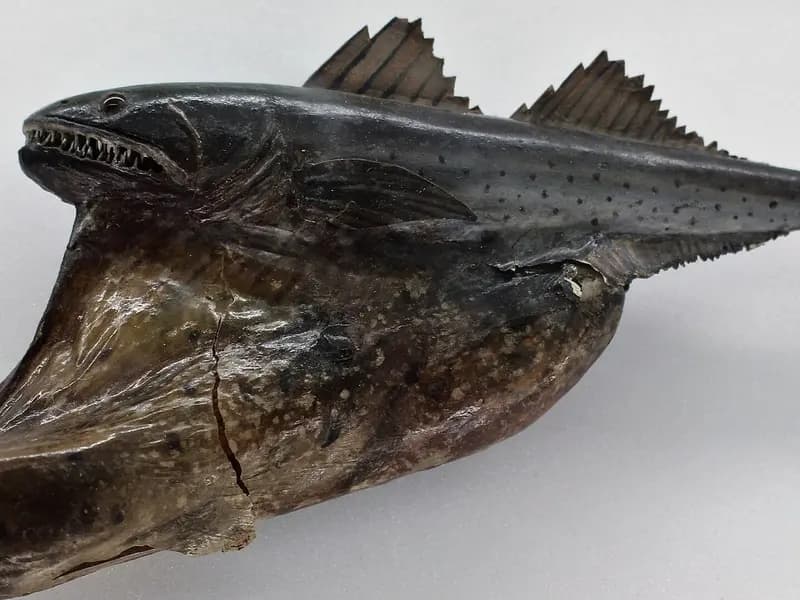
Black Swallower Filmed With a Hugely Swollen Belly 1,259 Metres Down Off Trinidad and Tobago
Oct 13, 2026/2 min read

Playing Recordings of a Healthy Reef Drew More Coral and Fish Larvae to Artificial Structures Off Hawaii
Oct 9, 2026/3 min read

Blacktip Sharks Can Hear a Sound From Nearly 250 Feet Away and Swim Straight Toward or Away From It
Oct 1, 2026/2 min read

A Sea Turtle Species Never Recorded Nesting in the United States Laid Eggs on a Southern California Beach
Oct 1, 2026/2 min read