The Gulf's Autumn Route Map Is Being Redrawn Toward Asia and Russia
Gulf Air returns to Kuala Lumpur on 29 September, Riyadh Air adds London and Dubai, Sharjah gets a Gatwick link, and flynas is flying to St Petersburg and Sochi behind a new visa arrangement.
Monday, August 17, 2026/3 min read
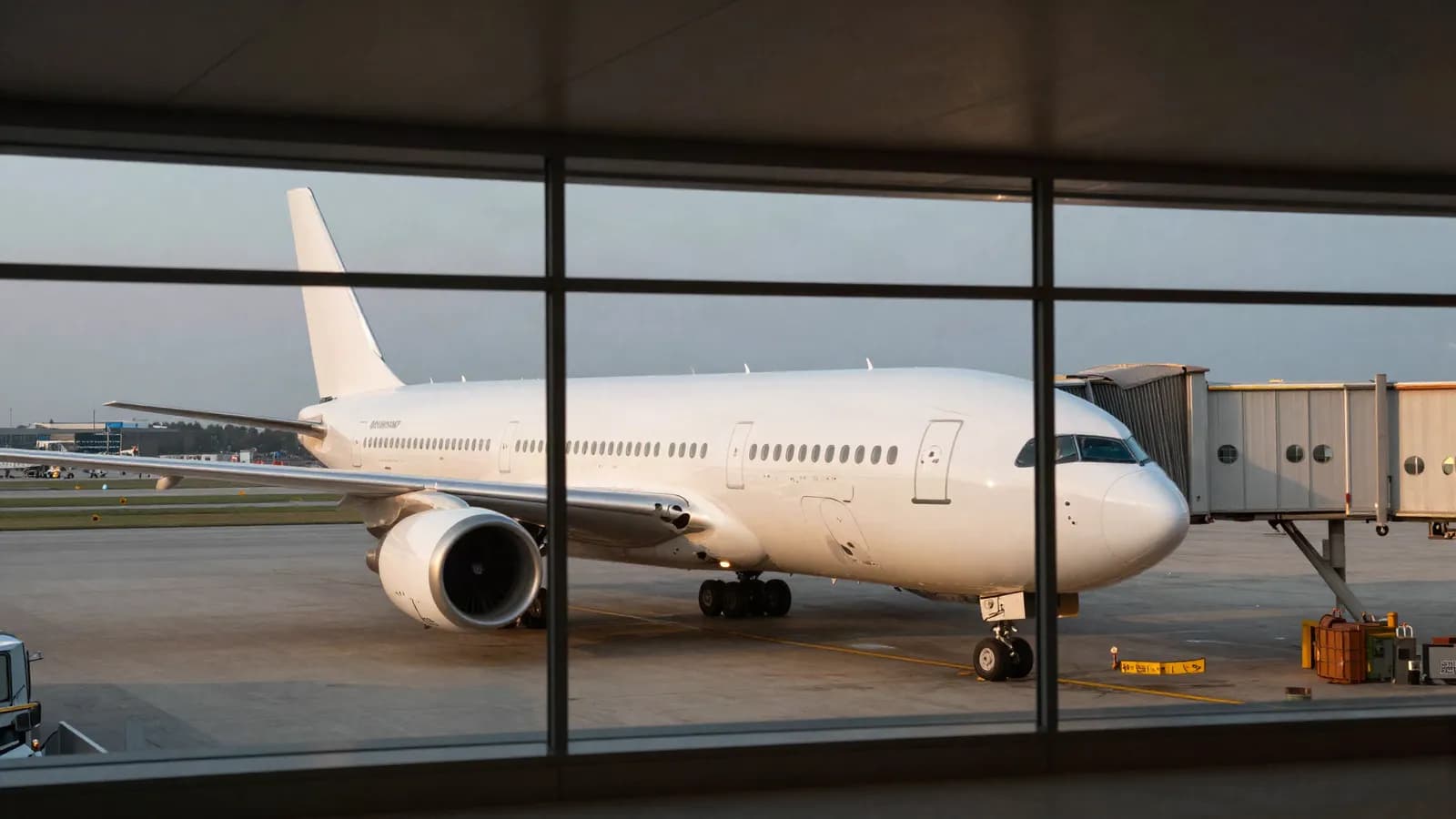
The autumn schedule change is the biggest single event in an airline's year, and this one is unusually busy in the Gulf. Gulf Air resumes Bahrain to Kuala Lumpur from 29 September with the 787-9, up to five times a week at launch. Riyadh Air is adding London and Dubai. Sharjah gains a link to London Gatwick, and flynas has opened Riyadh services to St Petersburg and Sochi following the introduction of visa-free travel between Saudi Arabia and Russia.
Read together, those additions describe a strategy rather than a list.
Why Kuala Lumpur, and why now
Southeast Asia has been the least served of the major markets from the northern Gulf, and Bahrain in particular has had to hand that traffic to larger neighbours. Restoring a direct link changes the connection maths for a whole set of journeys that currently route through Dubai or Doha.
The choice of a 787-9 at five weekly frequencies is a specific signal. It is enough capacity to carry connecting traffic and cargo, and it is short of daily, which means the airline expects the route to build rather than arrive full. Frequencies are the number to watch. A route that goes to daily inside a year has worked; one that quietly drops to three has not.
The 29 September start also puts it just after the schedule change, which is when demand out of the Gulf turns. Our note on shoulder season travel from the Gulf covers why late September is the point at which fares and weather stop working against each other.
Visa policy is now an airline strategy
The flynas expansion into Russia is the clearest example of something that has become normal: a route opening because a visa rule changed, not because an aircraft became available.
Visa-free access removes the largest fixed cost of a leisure trip, which is not money but uncertainty. A traveller deciding between two destinations will discount the one that requires an appointment, a fee and a wait, even when the flights cost the same. Airlines have learned to move within weeks of a policy change, because the first carrier into a newly opened market sets the schedule everyone else has to fit around.
The same logic runs through the region's inbound policy. We covered the pilgrimage side of it in what changed in Umrah visa rules, and the network side in Riyadh Air's South Asia additions.
What a new route means for the person buying the ticket
Three practical effects, in the order they appear.
Launch fares are genuinely cheaper, briefly. A carrier entering a market prices to fill seats and build habit, and the introductory period is usually the first few months rather than the first few weeks.
Competing routes reprice. The bigger saving is often on the incumbent's flights rather than the new one, because an established carrier will defend a market it has had to itself.
Reliability is worse at the start. A new route has no spare aircraft nearby, no established ground handling relationships and no recovery plan built from experience. Book the outbound leg of anything unmissable on an established service and take the new route home.
The pattern underneath
Three of these four movements point east or north rather than west. That is consistent with where Gulf carriers have been adding capacity for several years: secondary Asian cities, Central Asia, and destinations opened by bilateral policy rather than by demand that already existed.
The transatlantic and Western European markets are mature, competitive and defended. The growth is in places where a Gulf hub genuinely shortens a journey that currently requires two connections, and where a visa change has just made the trip thinkable.
When does the autumn schedule change happen?
The northern winter schedule begins in late October, and airlines announce and start selling the changes through August and September. Gulf Air's Kuala Lumpur return on 29 September falls just before it.
If you are planning travel between October and March, this is the fortnight when the map you are booking against stops being last year's.
Published in The Outspoken Digest
Editorial desk
Outspoken Digest Travel DeskDestinations, airlines, borders and the practicalities of getting there.
Newsletter
The Digest, in your inbox
One edition, sent when it is ready. No noise, and your address is never passed on.
Read Next
More Travel →
Tropical Storm Trudy Is Forecast to Become a Major Hurricane as It Nears Mexico's Pacific Coast
Oct 15, 2026/2 min read
Portugal Picks Lufthansa Over Air France-KLM for a 44.9 Percent Stake in TAP Air Portugal
Oct 14, 2026/2 min read

Hurricane Simon Closes Puerto Vallarta's Airport and Sends Tourists to Shelters as a Category 4 Storm Nears Mexico
Oct 10, 2026/2 min read