Three Months After the Maldives Cave Deaths: What Has Actually Changed
Five Italian divers and a Maldivian rescuer died in May. A manslaughter file is open in Rome, a liveaboard lost its permit, and the Maldives is writing technical diving law. A follow-up assessment.
Wednesday, August 12, 2026/4 min read
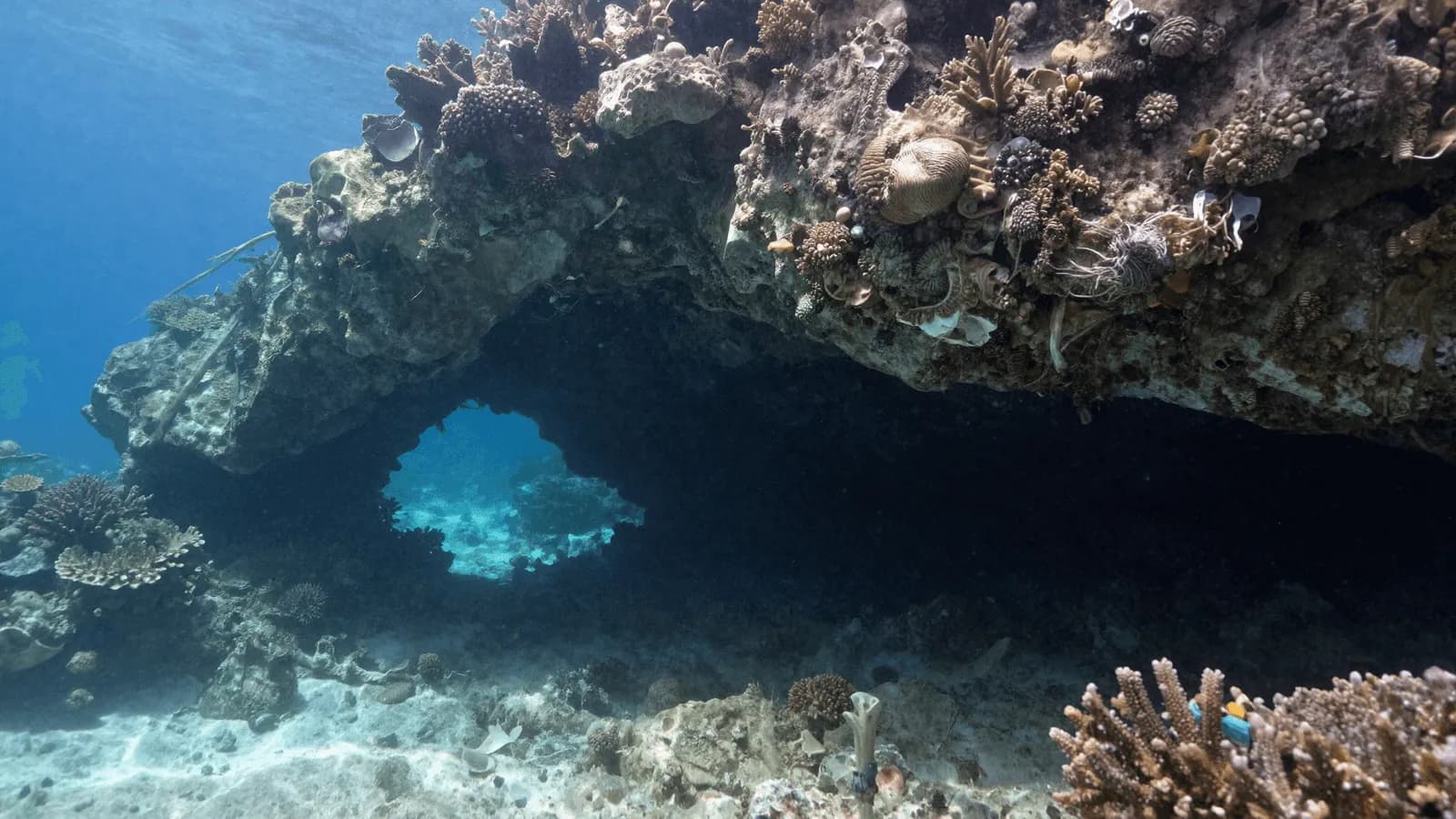
On 14 May 2026, five Italian divers entered Dhekunu Kandu, a cave in Vaavu Atoll known locally as Shark Cave, and did not come out. A Maldivian rescue diver, Sergeant Major Mohamed Mahudhee, died of decompression sickness during the recovery. Six deaths from one dive.
We covered the event as it unfolded, from the initial recovery to the man who died trying to bring them home. Three months on, the useful question is a different one: has anything changed, and is any of it the right thing?
The findings, as they now stand
The technical picture has hardened considerably since May, largely thanks to the international recovery team and the equipment they brought back, including action cameras.
- The team was on standard compressed air, not a cave-appropriate gas plan.
- They had no guideline laid to mark the exit.
- Thermal protection was inadequate for the exposure. Two of the divers wore neoprene jackets over swimwear.
- They appear to have become disoriented in an unmapped dead-end tunnel in the second chamber.
- Bodies were found at around 60 metres, a depth at which their remaining gas would have lasted roughly ten minutes and a correct ascent would have required hours of decompression.
- None held cave certification.
DAN Europe's assessment was that the divers became disoriented and could not find their way back out. That is the entire cave-diving failure mode, and it is the reason the discipline built its rules the way it did.
The rule they were missing
Cave diving's core doctrine is a continuous guideline to open water. Not a good sense of direction, not a torch, not familiarity. A physical line you can hold in zero visibility with your eyes shut.
The reason is silt. A cave that is clear on the way in can be opaque on the way out, because fins stir the floor and the cloud follows you. Once that happens, the line is the only navigational instrument that still works.
We set the full framework out in our analysis of the cave rules and why each one exists. Every one of them was written after somebody died.
What has changed since May
A criminal file in Rome
The Rome Prosecutor's Office opened a manslaughter investigation. That is standard practice in Italy when citizens die abroad in circumstances suggesting negligence, and it does not imply a conclusion. What it does mean is that the organisational question, who arranged and supervised the dive, is being examined rather than left to the diving community to argue about.
A liveaboard lost its licence
The MV Duke of York had its operating licence suspended for lacking the dive school permits the activity required. This is the least discussed and possibly most consequential outcome, because it locates the failure in the operation rather than only in the divers.
The University of Genoa distanced itself
The university stated that the diving was not part of the official scientific mission and was undertaken on a personal basis. Whatever the legal weight of that, it points at a real and widespread grey zone: research trips where scientific diving governance stops at the edge of the formal programme, and people carry on diving.
Compare the structure that scientific diving programmes normally impose, and the gap is obvious.
The Maldives is writing law
The most substantial response is legislative. The Maldives began drafting rules restricting technical and wreck diving beyond the 30 metre recreational limit, with permits limited to researchers and highly certified divers, and minimum standards for experience, safety and equipment. We covered the shape of that in our piece on the regulatory response.
An honest assessment of the regulation
Two things can be true at once. Something needed to change, and a permit regime is not obviously the thing that would have saved these six people.
The argument for it is straightforward. Sites that are genuinely dangerous get named, operators carry a documented duty, and a boat cannot casually drop uncertified guests into an overhead environment.
The arguments against are worth stating plainly. Permit systems tend to regulate the compliant and miss the informal. They can push technical diving underground, which is precisely where you do not want it. And a rule that outlaws diving below 30 metres without a permit does nothing about the far more common problem, which is a competent recreational diver quietly doing an overhead dive at 25 metres with no line.
The measures most likely to prevent a repeat are duller: mandatory certification checks before an overhead dive, a requirement that operators verify cave or wreck qualifications rather than accept a general card, and a legal obligation on the vessel to record what dives were planned and who supervised them.
What divers should take from it
The uncomfortable truth is that these were not reckless people. One was a professor of ecology, two were instructors, one was a marine biologist. Competence in open water is not competence in a cave, and the sea does not offer partial credit.
If there is one sentence to carry out of this, it is the one cave divers have been repeating for forty years. If you are not trained for the overhead environment, the cave is not a place you go a little way into.
Published in The Outspoken Digest
Editorial desk
Outspoken Digest Diving DeskCovers freediving, recreational and technical diving, dive medicine and the incidents the sport learns from.
Newsletter
The Digest, in your inbox
One edition, sent when it is ready. No noise, and your address is never passed on.
Read Next
More Diving →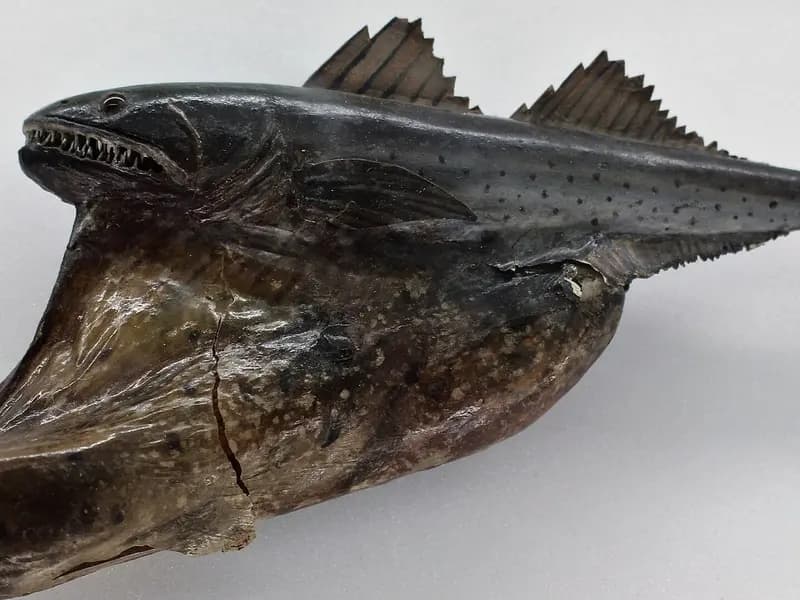
Black Swallower Filmed With a Hugely Swollen Belly 1,259 Metres Down Off Trinidad and Tobago
Oct 13, 2026/2 min read
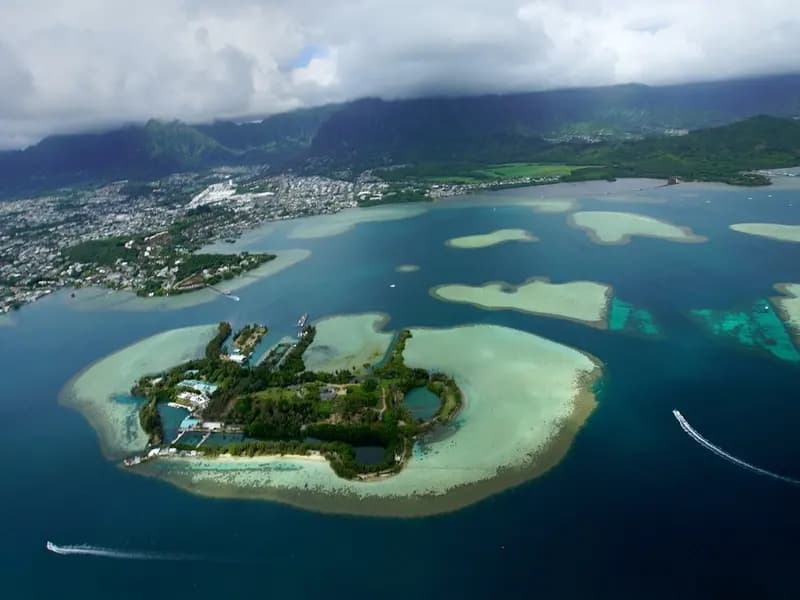
Playing Recordings of a Healthy Reef Drew More Coral and Fish Larvae to Artificial Structures Off Hawaii
Oct 9, 2026/3 min read
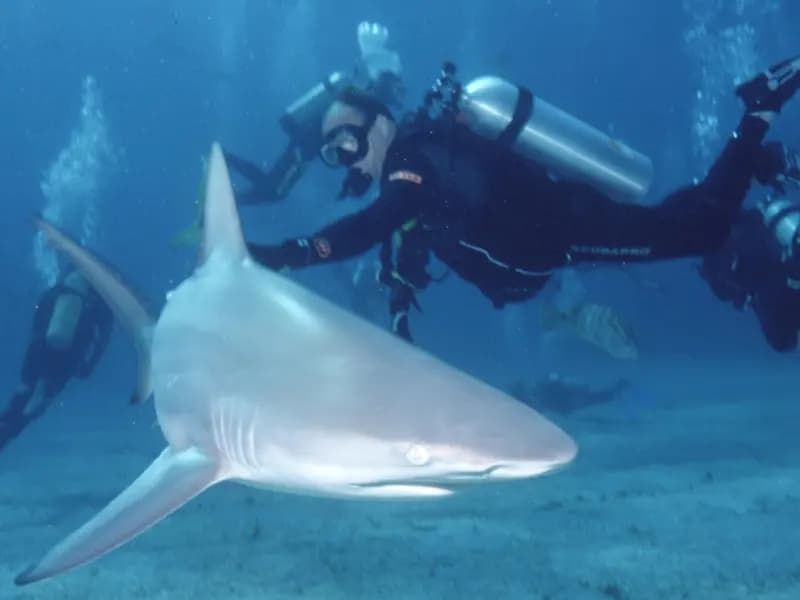
Blacktip Sharks Can Hear a Sound From Nearly 250 Feet Away and Swim Straight Toward or Away From It
Oct 1, 2026/2 min read
A Sea Turtle Species Never Recorded Nesting in the United States Laid Eggs on a Southern California Beach
Oct 1, 2026/2 min read