Diving
The Path Into Technical Diving: What Changes at Depth
Technical diving begins the moment a diver can no longer go straight to the surface. Here is how training builds toward that shift, one course at a time.
Dec 5, 2025

Search
60 stories for“Chang'e 7”
Technical diving begins the moment a diver can no longer go straight to the surface. Here is how training builds toward that shift, one course at a time.
Dec 5, 2025
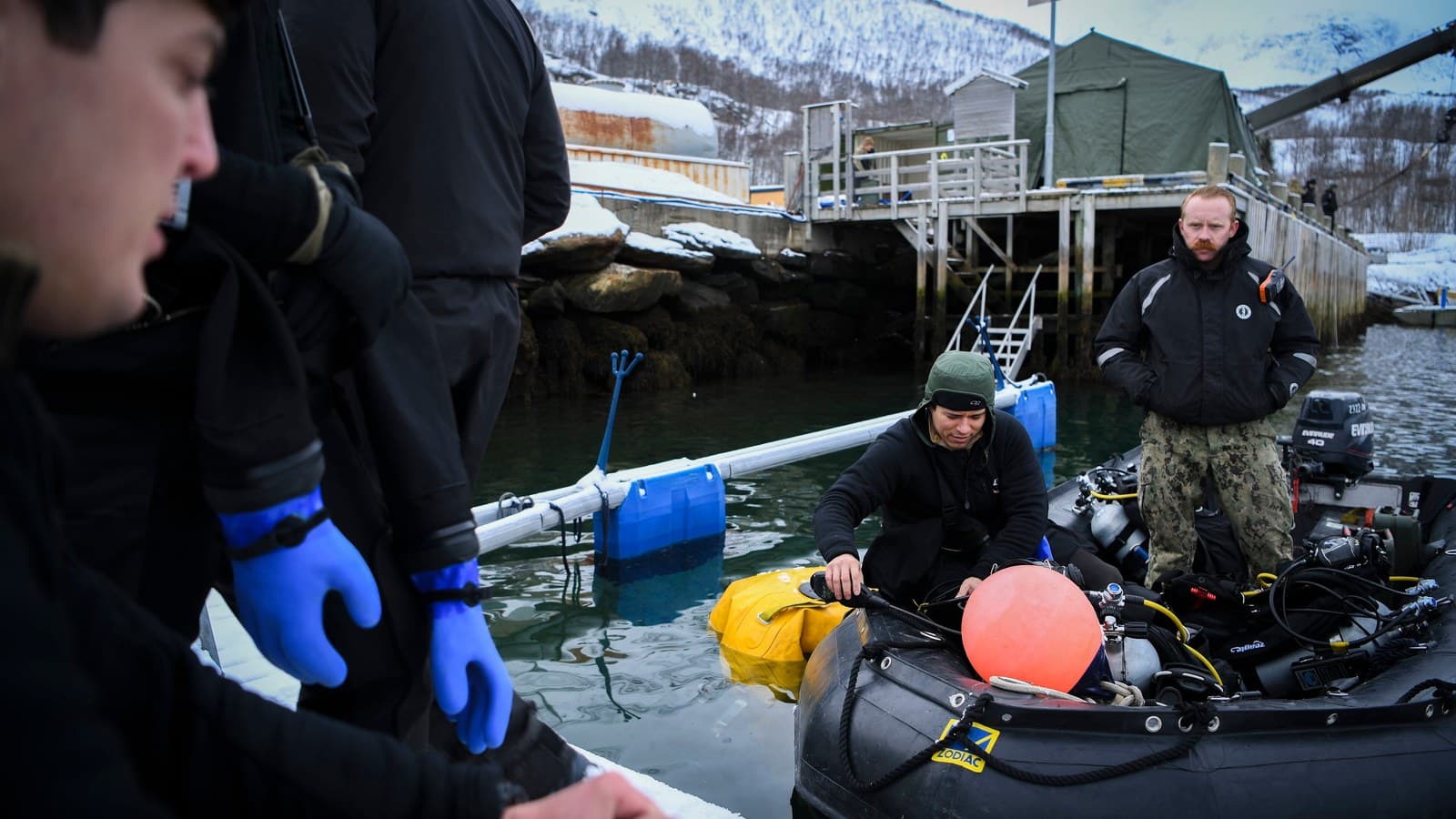
Below about 15 degrees a thick wetsuit keeps a diver alive but not warm, and cold is a safety problem before it is a comfort one: it thickens judgment, wastes gas and makes the hands useless. The drysuit is a different way of diving, not a thicker suit.
Feb 4, 2025
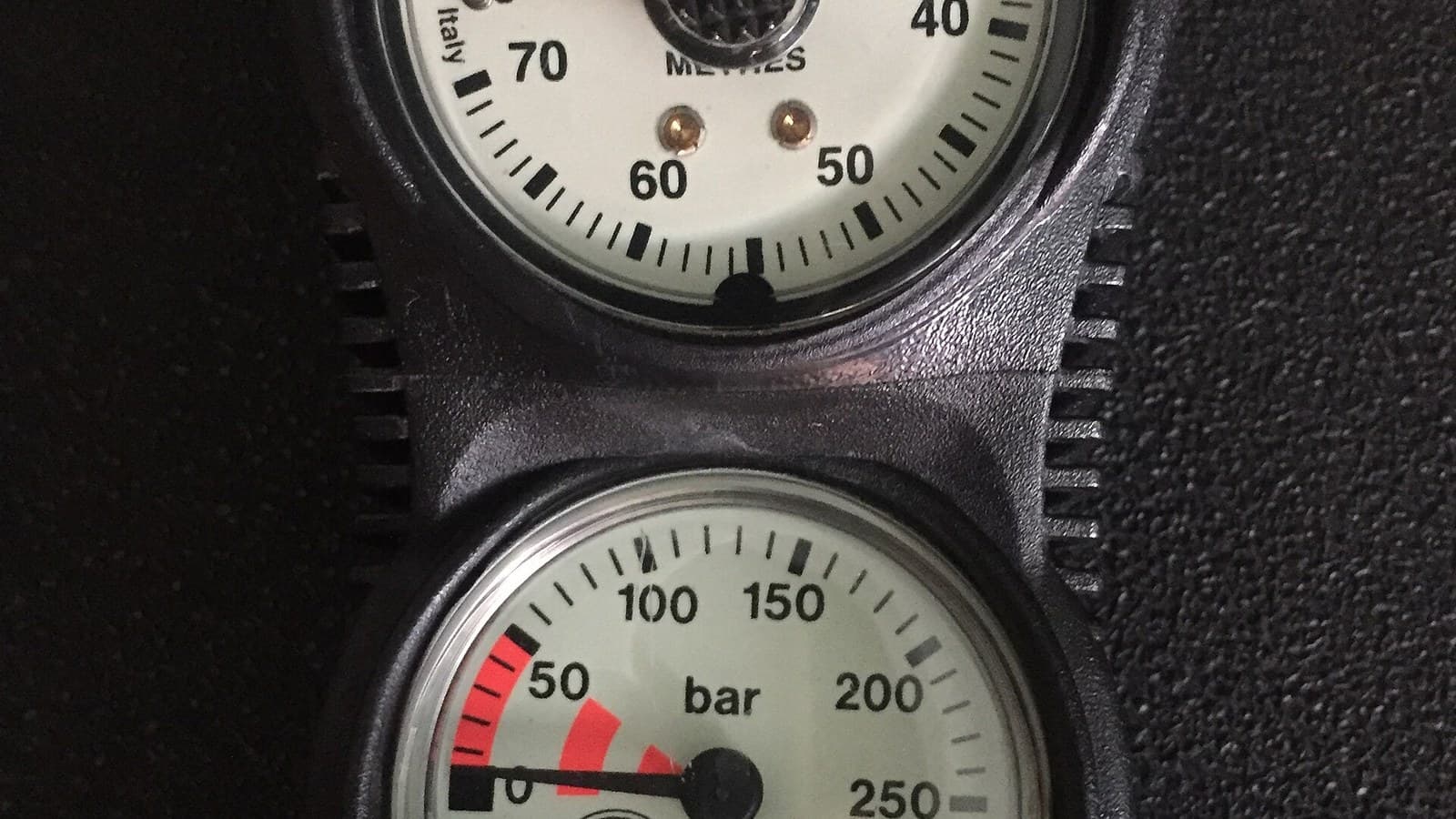
A diver's surface air consumption rate looks like a fixed fact. It is a moving average that depth multiplies and stress inflates, which is why reserves exist at all.
Oct 16, 2026
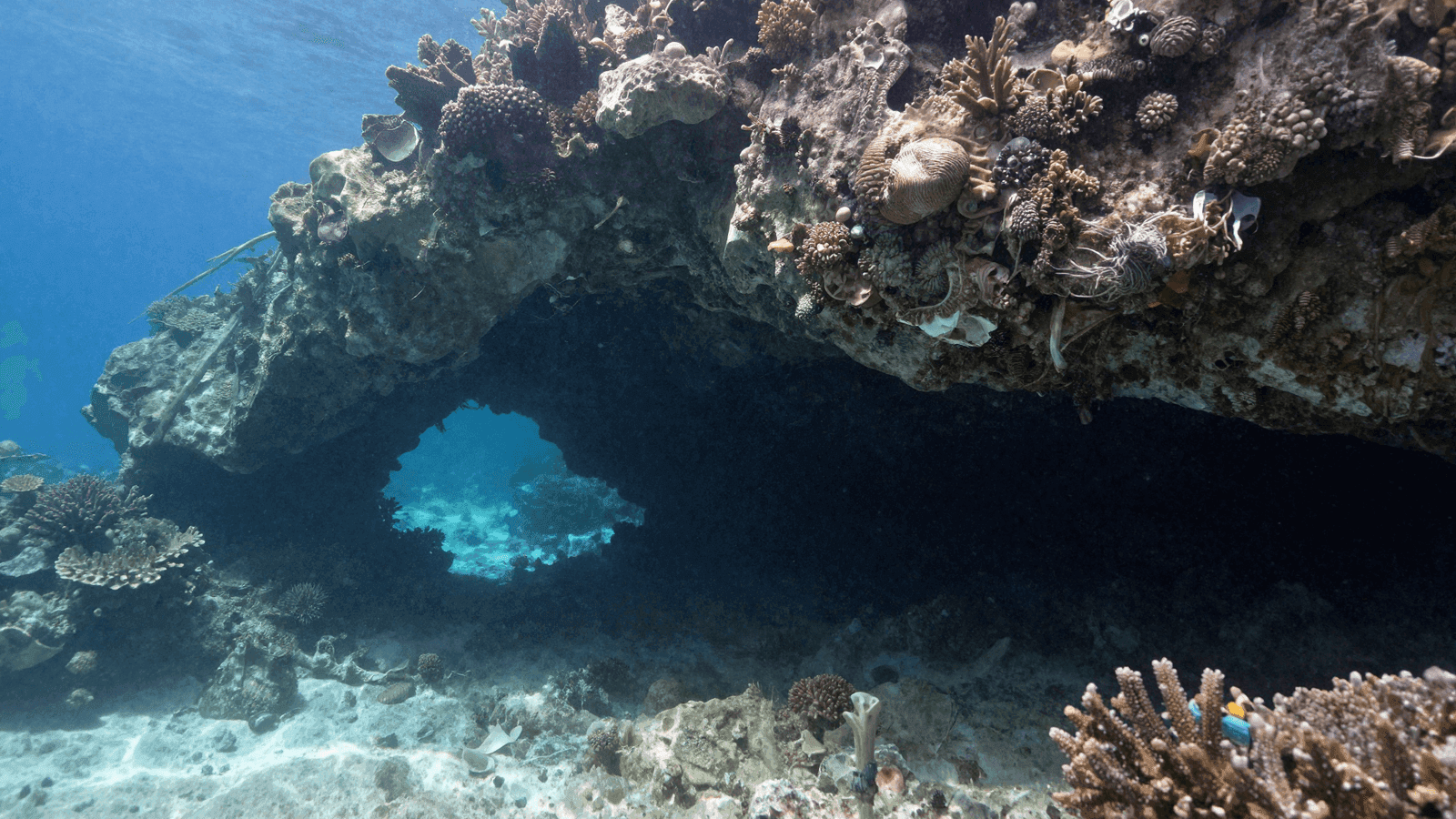
Five Italian divers and a Maldivian rescuer died in May. A manslaughter file is open in Rome, a liveaboard lost its permit, and the Maldives is writing technical diving law. A follow-up assessment.
Aug 12, 2026
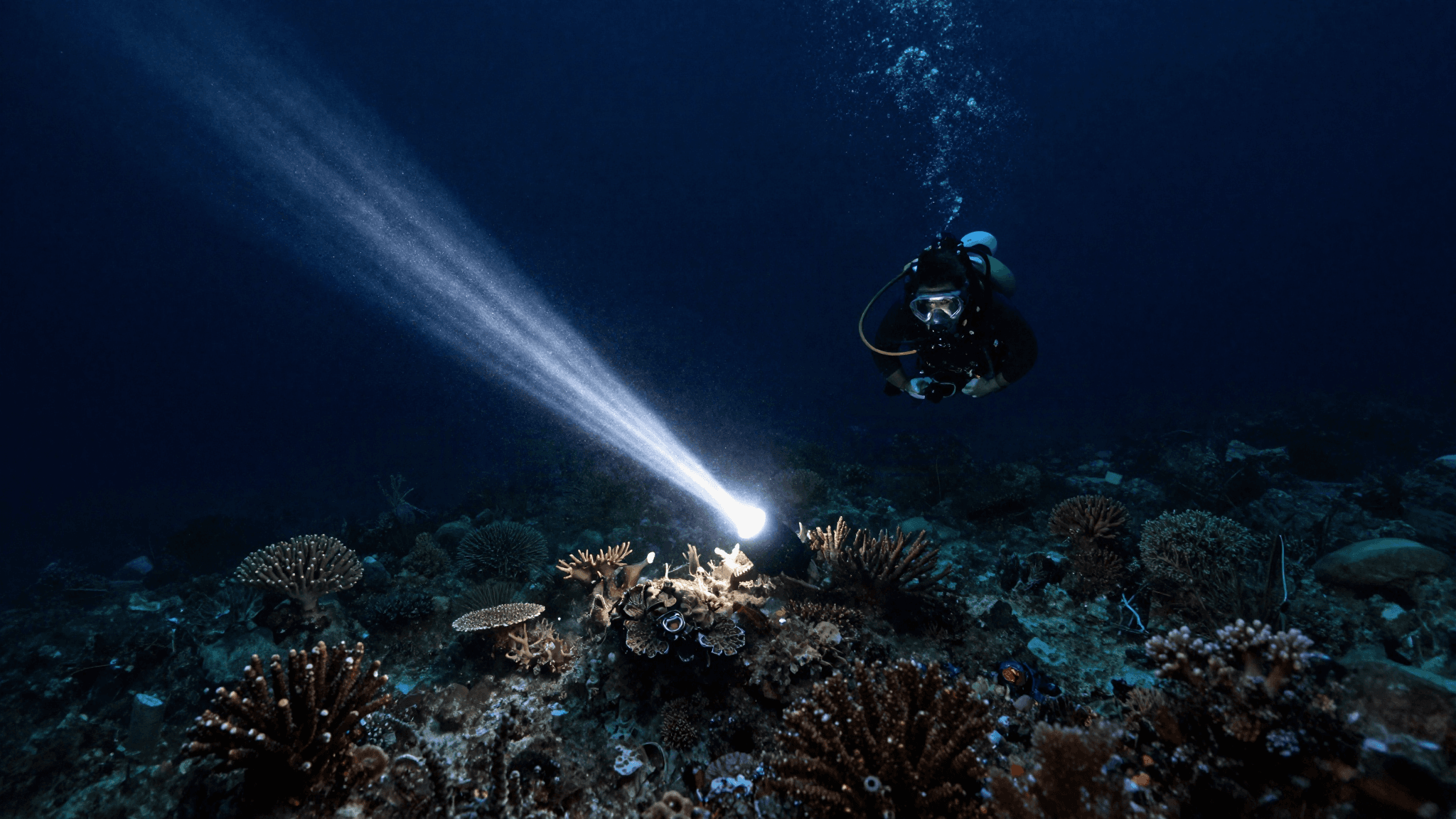
The same reef becomes a different site after dark, and so does the diving. Navigation, buddy contact and the way your brain handles a narrow beam all need rethinking before you get in.
Aug 8, 2026
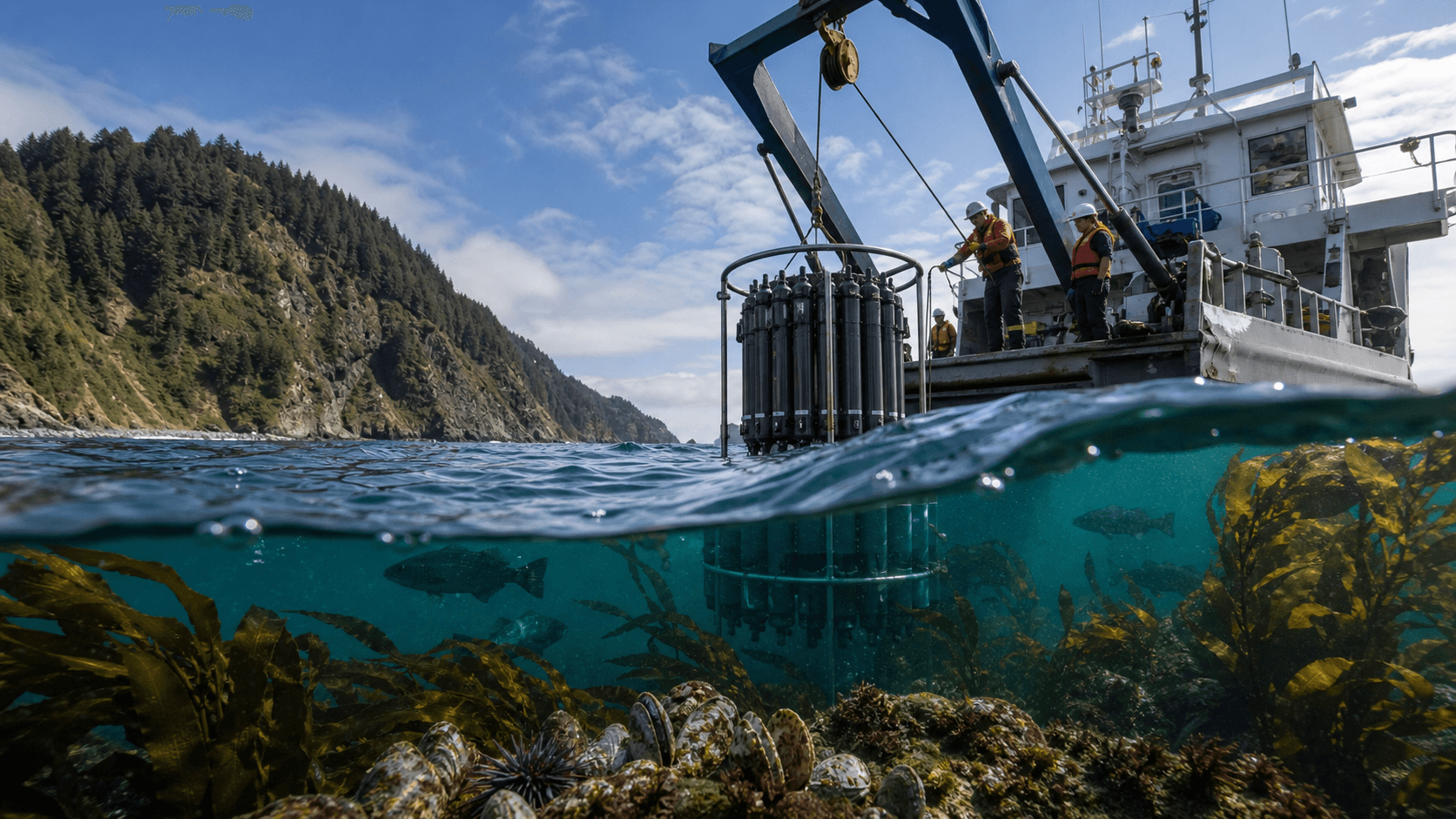
NOAA's seventh West Coast ocean-acidification survey is tracking chemistry and marine life during unusual Pacific conditions. The findings matter to reefs, fisheries and divers.
Aug 1, 2026
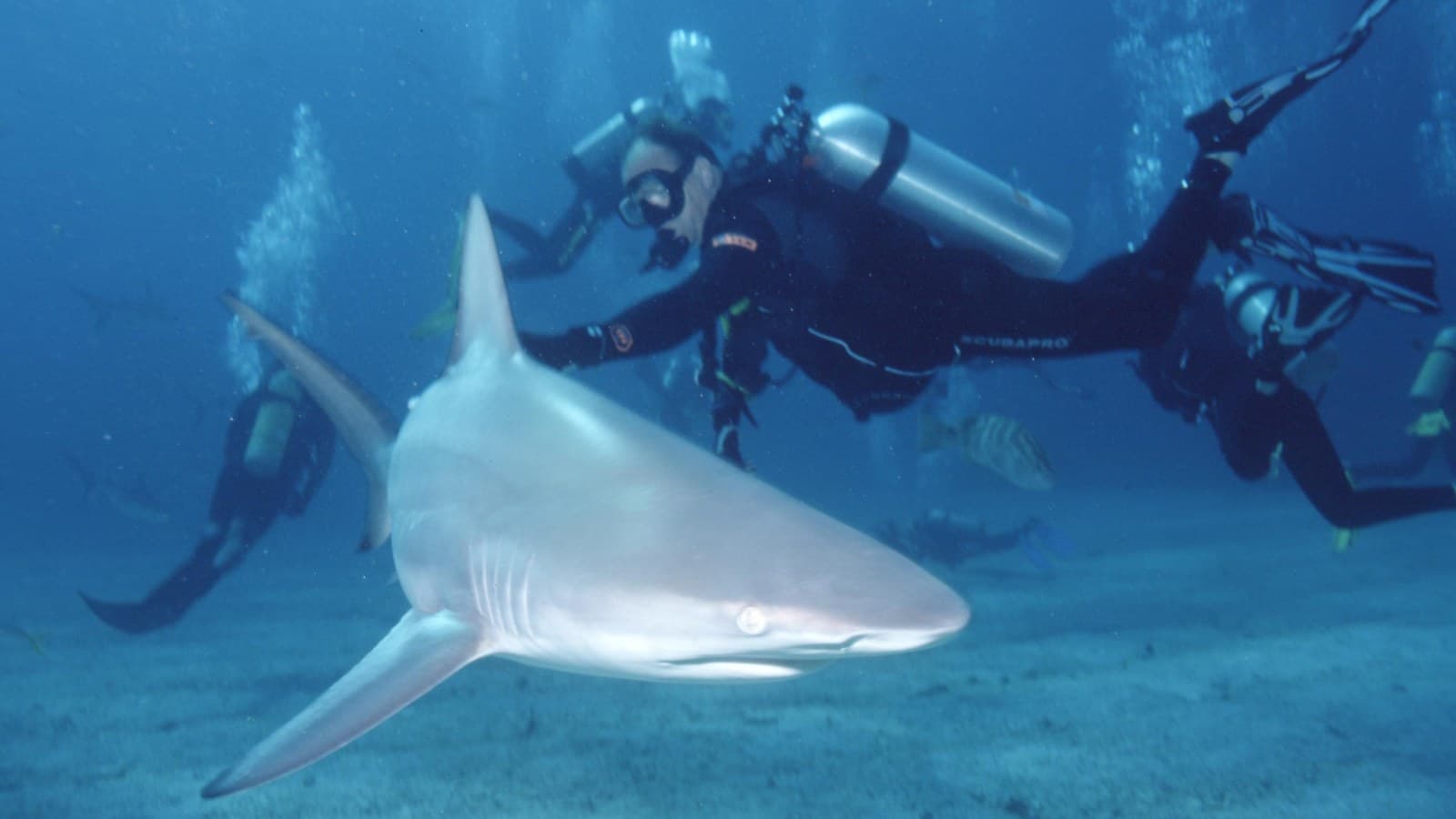
A Florida Atlantic University study of free-swimming blacktip sharks off Palm Beach County found the animals could detect low-frequency underwater sounds from 74 metres away and change course in response, the clearest field evidence yet of shark hearing range.
Oct 1, 2026
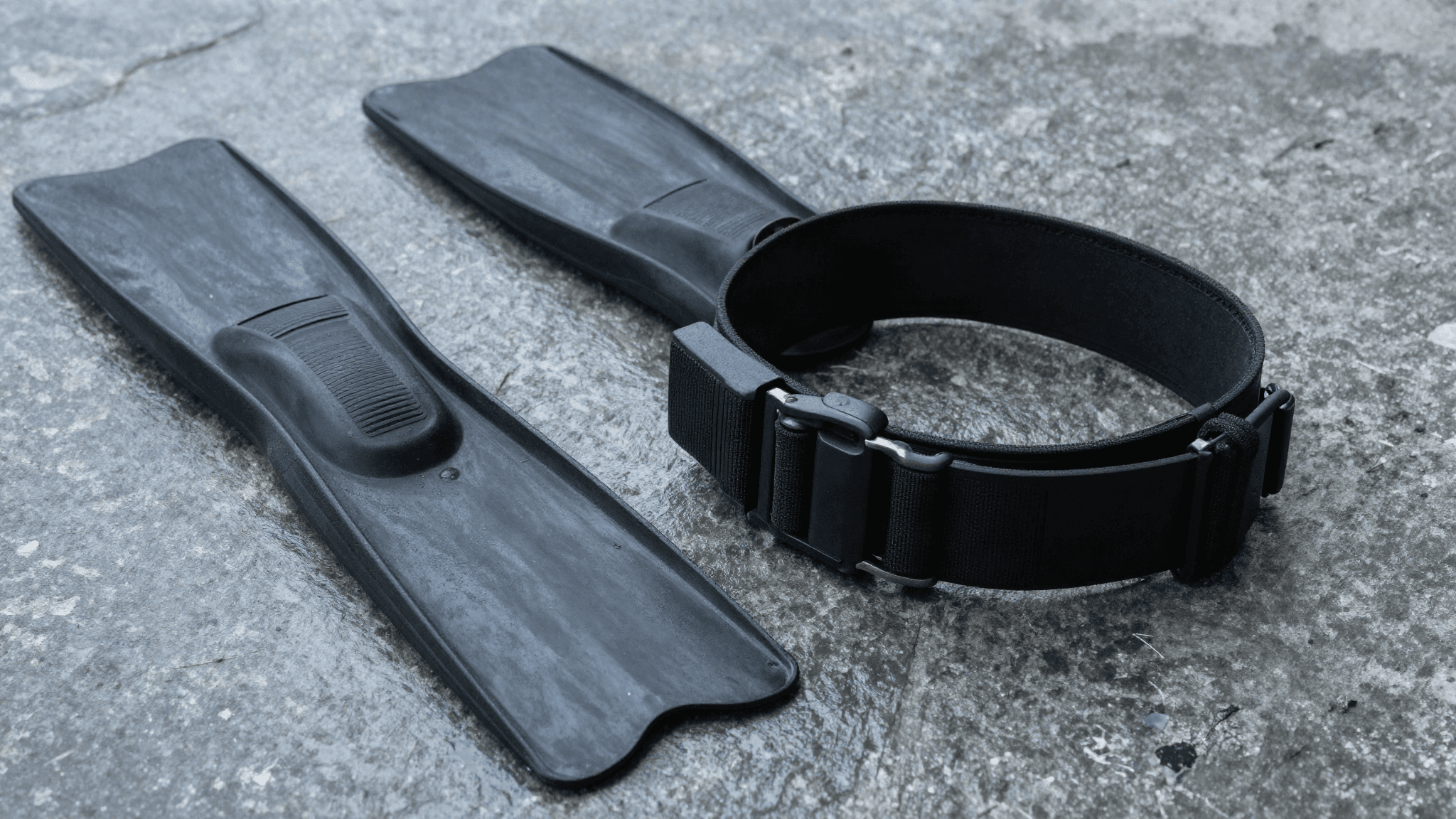
Overweighting is the most common equipment error in freediving and the one with the worst failure mode. The rule is simple: neutral at ten metres, positive above it, and the surface is where it matters.
Aug 11, 2026