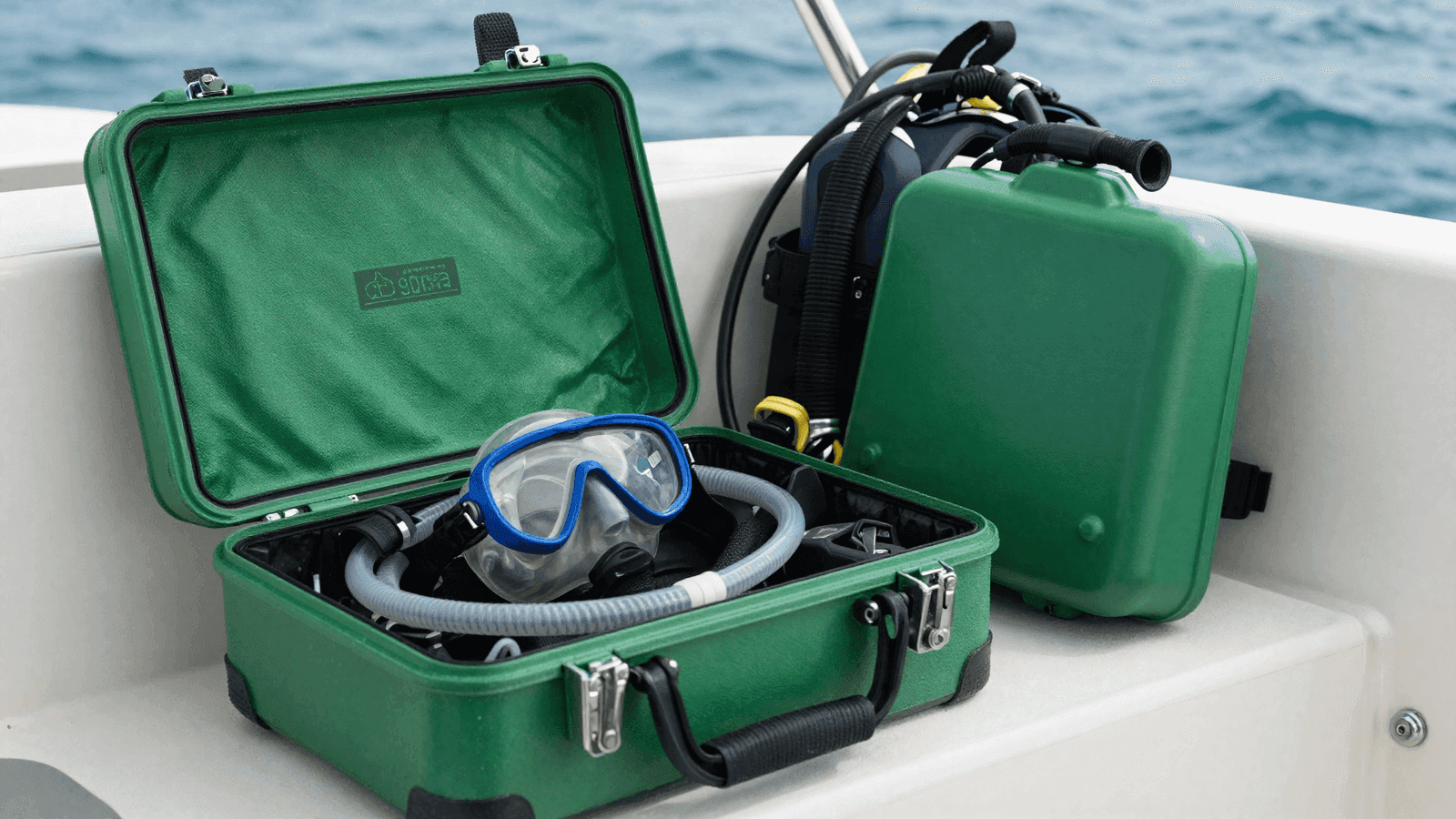
Diving
Fitness to Dive: Why the Medical Form Is Not a Formality
PFO, asthma, diabetes and certain medications can all change whether diving is safe. Here is why the medical questionnaire before a course matters.
Jan 27, 2025

Search
52 stories for“cardiovascular”
PFO, asthma, diabetes and certain medications can all change whether diving is safe. Here is why the medical questionnaire before a course matters.
Jan 27, 2025
Submersion triggers an ancient reflex that slows the heart, redirects blood, and quietly reshapes what a trained freediver's body can survive underwater.
Sep 18, 2024

Research divers work under formal scientific diving safety standards, but a marine science background does not make deep or technical diving inherently safer to attempt.
Jun 14, 2026
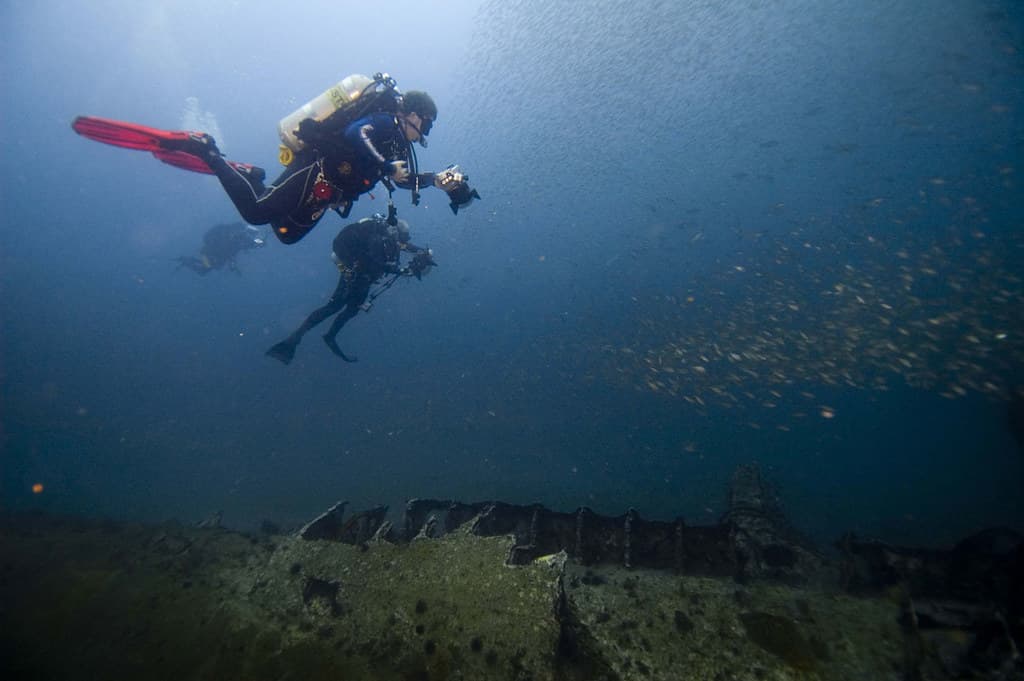
Two tables, two different adaptations, and a hard rule about where you do them. One trains tolerance to discomfort, the other trains efficiency at low oxygen, and confusing them wastes weeks.
Aug 12, 2026

Breathe-up, diaphragmatic breathing and the recovery breath are the three that matter. Hyperventilation is the one that removes your warning that you are about to black out.
Aug 10, 2026

A cave in the Maldives, a lake in Germany, an inlet in Florida, a tuna farm off Malta. Four very different events, and a short list of factors that shows up in nearly all of them.
Aug 13, 2026
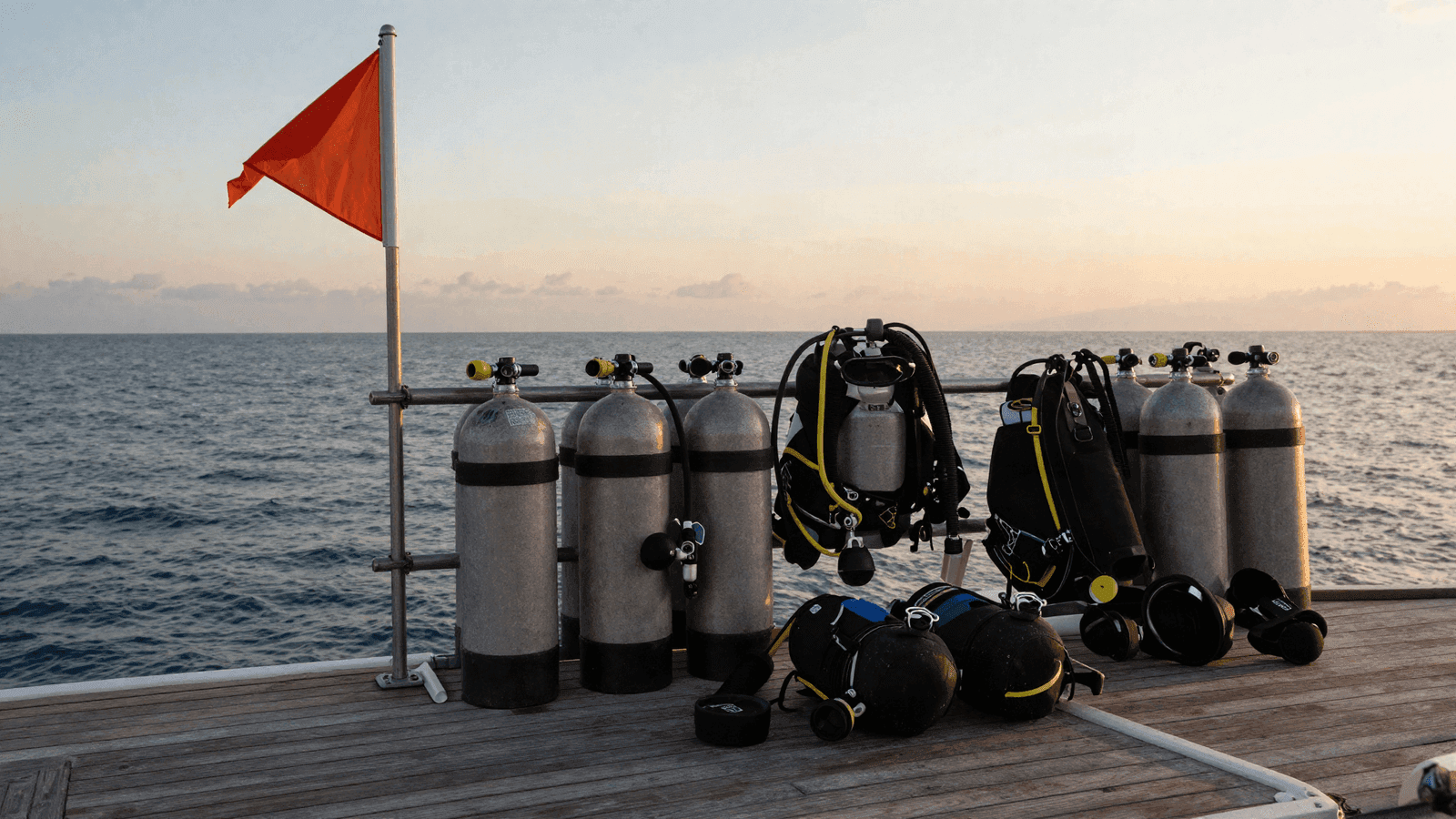
Global Underwater Explorers standardises equipment, teaches in teams, tests fitness, and hands out provisional passes rather than certificates. It is the most divisive system in diving, and the most internally consistent.
Aug 12, 2026

Almost every fatality report ends with drowning, which tells you nothing. Investigators use a four-part chain instead: trigger, disabling agent, disabling injury, cause of death. Here is how to read one.
Aug 12, 2026
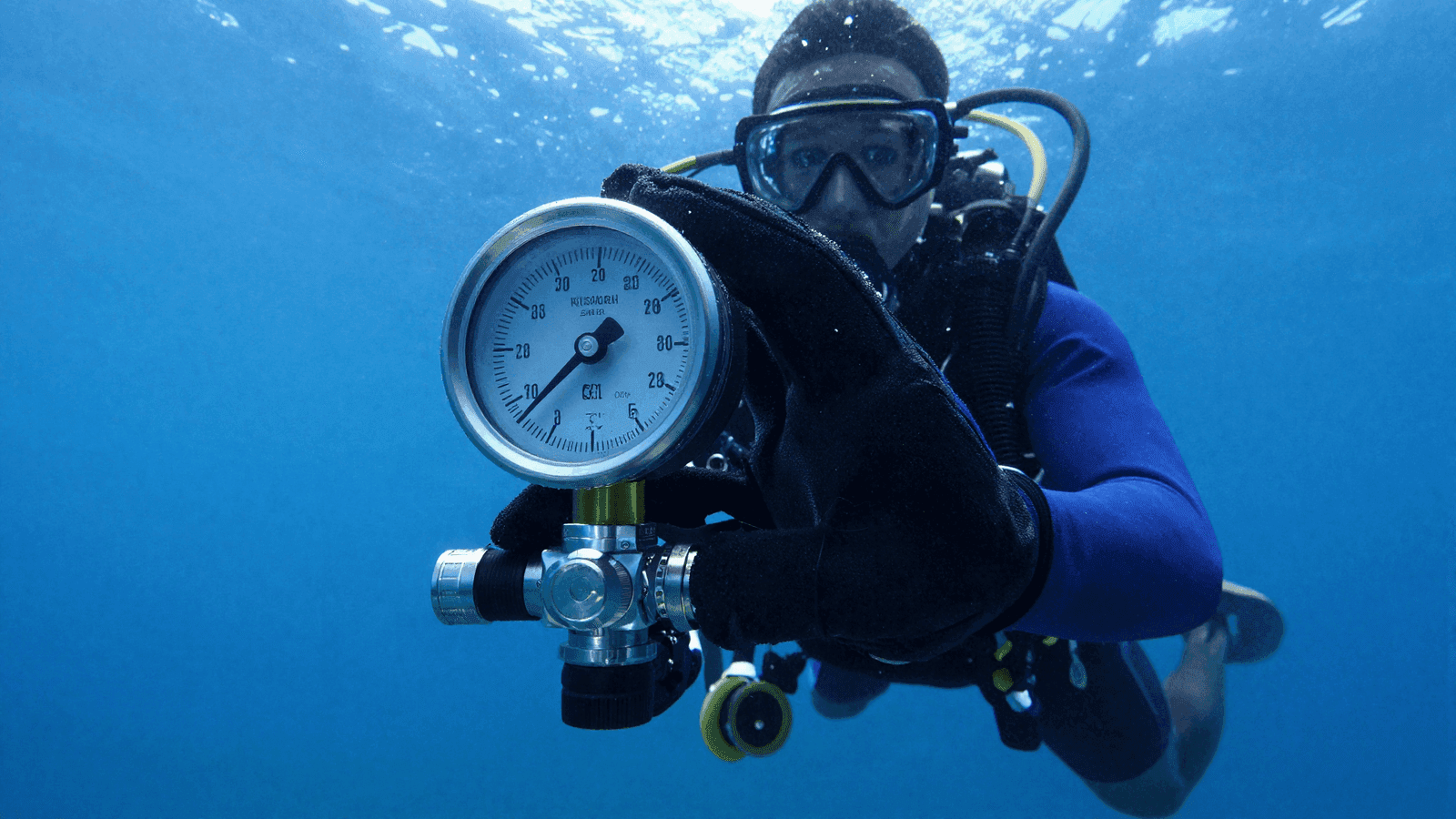
Divers Alert Network is not a training agency and issues no certifications. It collects the injury data, then publishes guidance based on it. Here is that guidance, in the order it matters.
Aug 12, 2026