Middle Eastern Aubergine Dishes, and the Two Ways to Cook It
Almost every great aubergine dish in the region depends on one of two techniques: burning it whole over flame, or frying it until it collapses. Choosing wrongly is why yours is rubbery.
Friday, August 14, 2026/3 min read
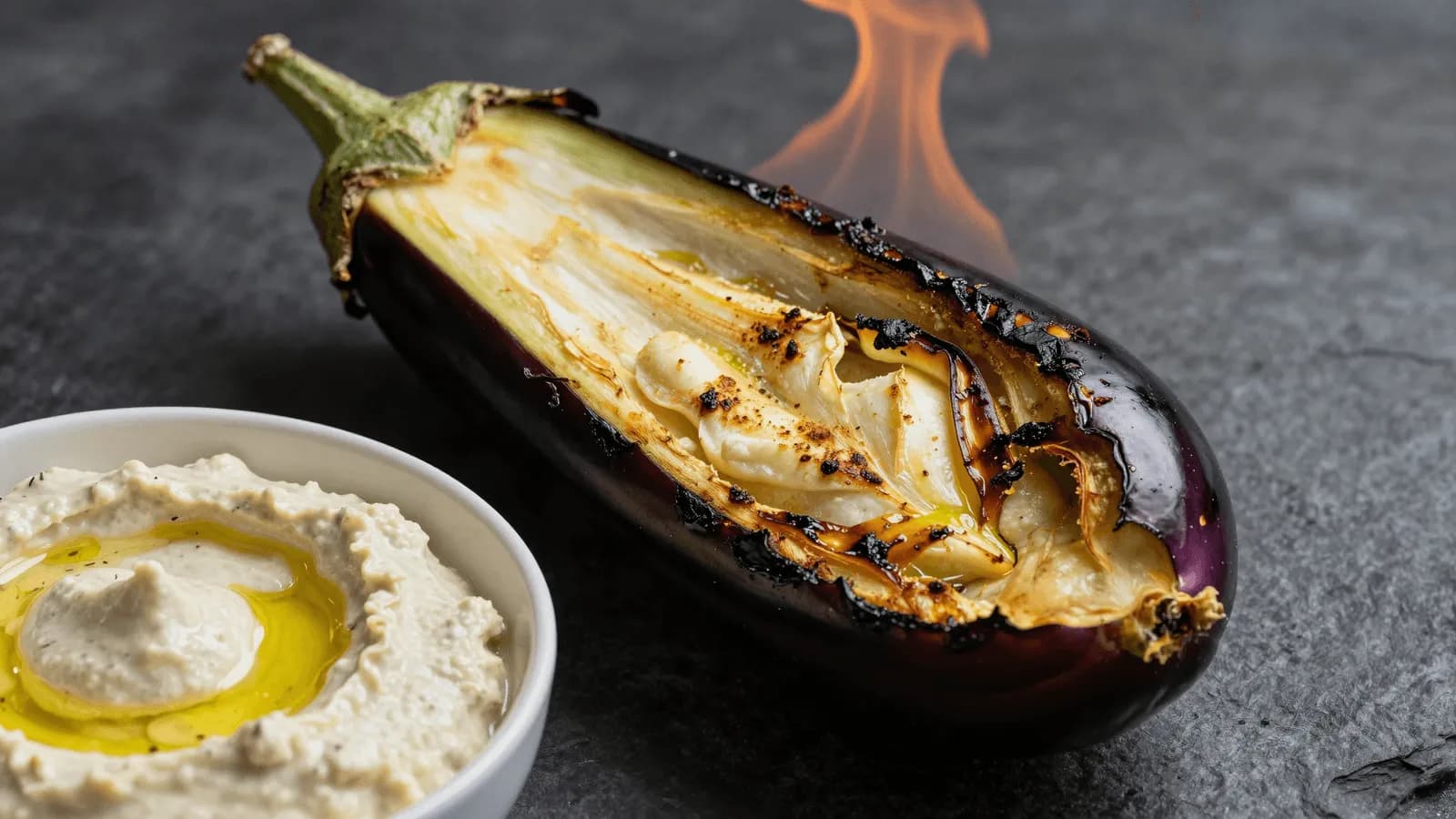
Aubergine is the most important vegetable in Levantine cooking, and almost every dish built on it uses one of two techniques: charring it whole over a live flame until the skin blackens and the inside collapses, or frying slices in enough oil that they surrender completely.
The single most common mistake is treating aubergine as something you cook until tender. Aubergine has two states, raw-tasting and rubbery, or fully collapsed and silky, and almost nothing in between. Undercooking is the enemy.
Technique one: burning it whole
Put the whole aubergine directly on a gas flame, a barbecue, or under a grill element at maximum, and turn it until the skin is uniformly black and the vegetable has visibly deflated. It should feel like a bag of liquid and look ruined.
That takes 15 to 20 minutes on a flame and it will make a mess of your hob, which is the price. The blackened skin is where the smoke flavour comes from; an oven-roasted aubergine tastes sweet and pleasant and never tastes of smoke.
Then split it, scoop the flesh, and drain it in a sieve for 20 minutes. That draining step is what separates a dense, concentrated dip from a watery one, and it is the step everybody skips.
This is the technique behind moutabal and baba ghanouj, and the difference between those two dishes is a genuine point of confusion: moutabal contains tahini, baba ghanouj in its Levantine form usually does not.
Technique two: frying to collapse
Slices or cubes, salted for thirty minutes if you have time, then fried in a generous amount of oil until deeply browned and soft throughout.
Aubergine drinks oil for the first minute and then, once the cell structure breaks down, releases much of it back. Cooks who panic at the absorption and add more oil end up with a greasy result. Use a decent quantity at the start, keep the heat up, and let it come back.
Salting is not really about bitterness in modern varieties, which have largely been bred out of it. It draws out water so the slices brown rather than steam, and it collapses the sponge structure so they absorb slightly less.
This is the technique for maqluba, where fried aubergine lines the pot and becomes the crown when it is inverted, and for the Levantine and Greek moussakas.
The dishes worth knowing
Moutabal
Charred aubergine, tahini, lemon, garlic, yogurt in some versions. Smoky, cool, and the benchmark by which a mezze table is judged. Recipe here.
Fatteh batinjan
Fried aubergine piled over crisp toasted bread and drowned in garlic yogurt, assembled at the last second so half the bread softens and half stays crisp. Recipe here.
Maqluba
The upside-down rice dish where fried aubergine does the structural and visual work. Recipe here.
Moussaka
Two different dishes share the name. The Levantine version is a cold or warm braise of aubergine with chickpeas and tomato, eaten as a mezze. The Greek version is the baked, layered, bechamel-topped one. Ours is here.
Miso and tahini glazed aubergine
Not traditional, and included because it is the best thing to do with half an aubergine and twenty minutes. Recipe here.
Batinjan and the stuffed family
Small aubergines hollowed and stuffed with rice and meat, cooked in tomato, belong to the same family as stuffed courgettes, and the technique transfers directly.
Choosing and storing
Pick aubergines that feel heavy for their size with taut, glossy skin. A light one has dried out and will be spongy and full of seeds. Press gently; the flesh should spring back rather than hold a dent.
Store at room temperature, not in the fridge. Aubergine suffers chilling injury below about 10C, which is why supermarket ones that have been refrigerated often taste bitter and turn brown quickly once cut.
Do you need to peel it?
For charring, no; you scoop the flesh out and discard the skin with the char. For frying, it is a texture choice: skin on gives structure and a slight chew, peeled gives complete silkiness. Maqluba is usually made with the skin on, or with the aubergine striped, which looks better when inverted.
The vegetarian point
Aubergine is why Levantine cooking is so easy to eat well without meat. Charred and fried aubergine both deliver the savoury depth that a meal is usually built around, which is what makes dishes like the region's vegetarian repertoire feel complete rather than compensatory.
Published in The Outspoken Digest
Editorial desk
Outspoken Digest Food DeskCooking, ingredients, restaurants and the economics of what ends up on the table.
Newsletter
The Digest, in your inbox
One edition, sent when it is ready. No noise, and your address is never passed on.
Read Next
More Recipes →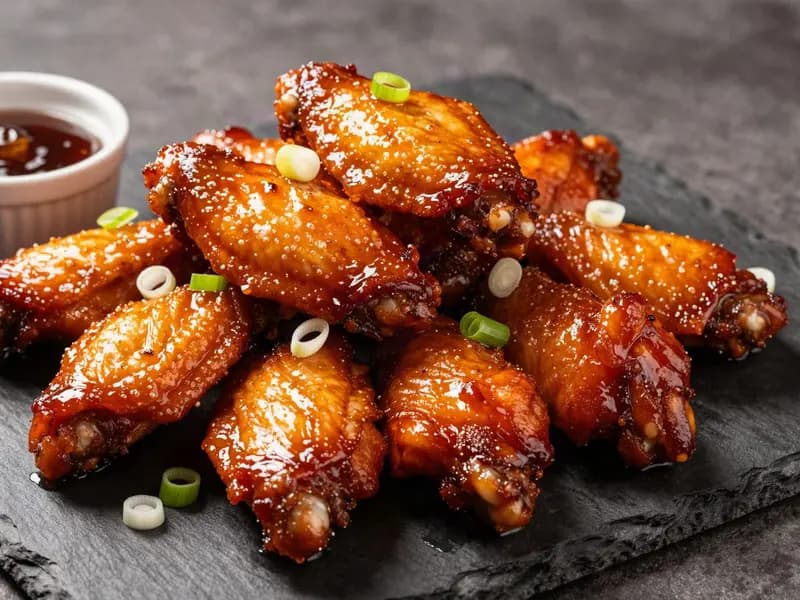
Swangy Tamarind Glazed Chicken Wings for the Flavour Replacing Swicy on Fast Food Menus
Sep 29, 2026/3 min read
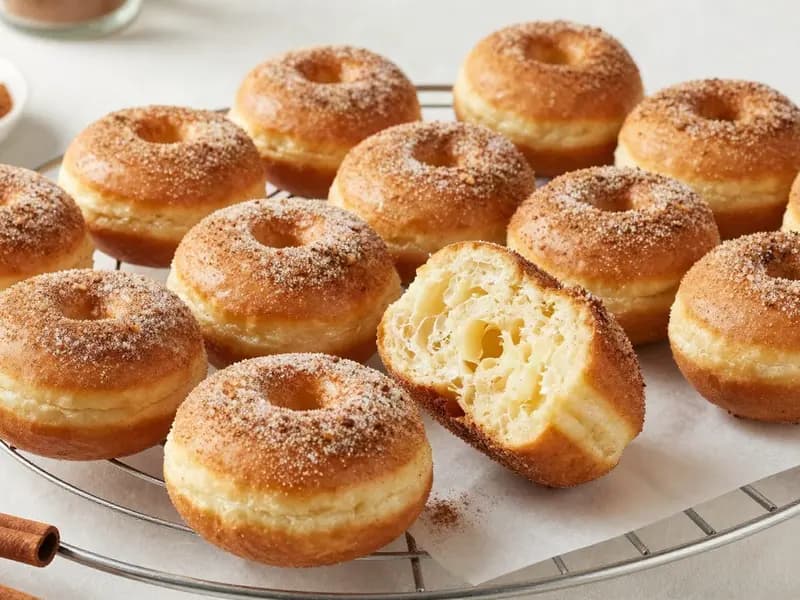
Baked Apple Cider Doughnuts for a Cider Season That Peaked Earlier Than the Calendar Says
Sep 29, 2026/3 min read
An Obatzda Bavarian Beer Cheese Dip for the Final Stretch of Oktoberfest 2026
Sep 29, 2026/3 min read