Middle Eastern Lamb Dishes, and Which Cut Each One Needs
Mansaf, kabsa, shuwa, kibbeh, kofta. The recipes differ less than the butchery does, and using the wrong cut is why home versions come out dry or greasy.
Friday, August 14, 2026/3 min read
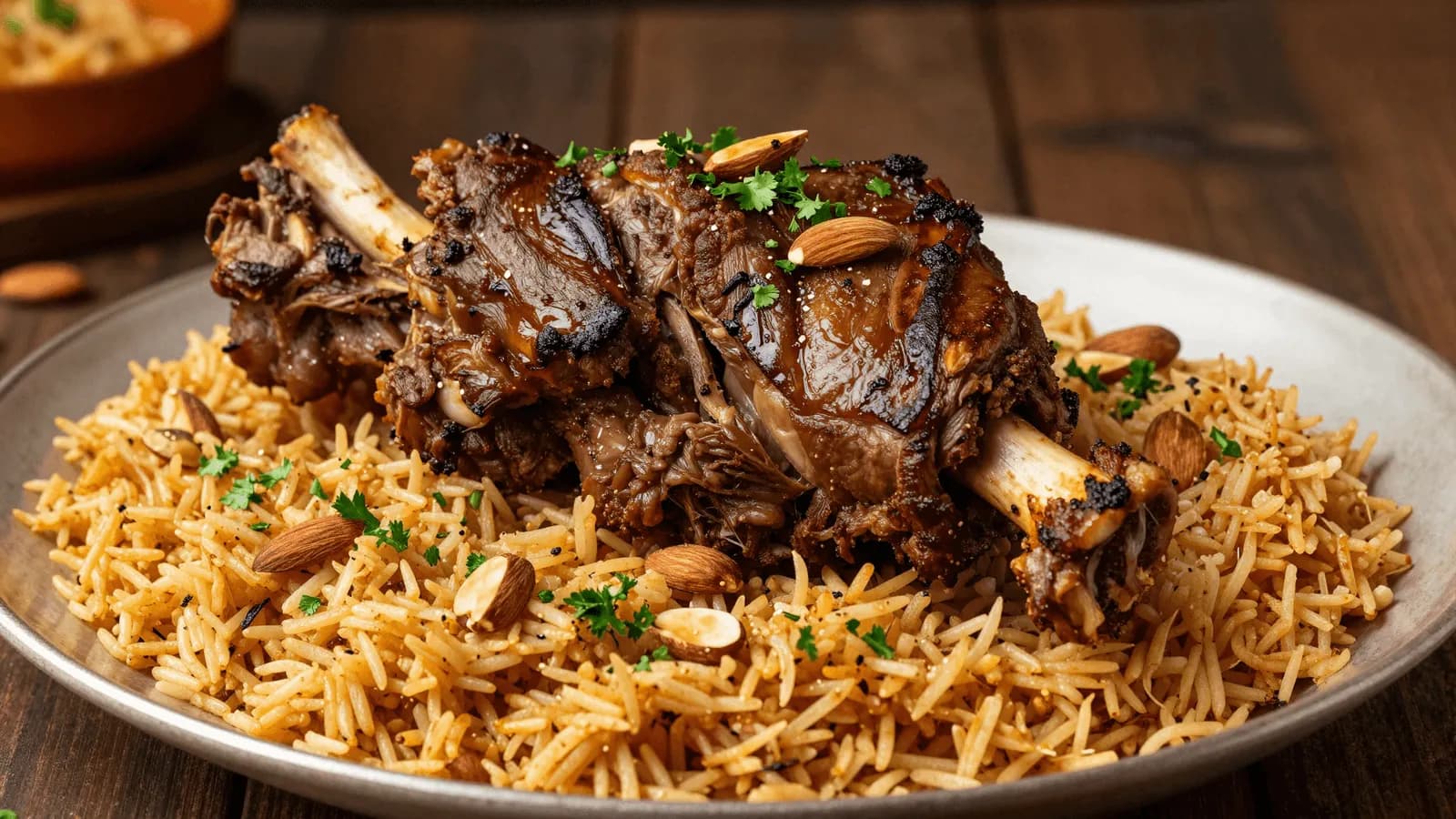
Lamb is the ceremonial meat across the Middle East, and the dishes built on it are less different from one another than they appear. What changes most between them is the cut, and choosing the wrong one is the reason a home version comes out either dry and stringy or unpleasantly fatty.
The short rule: shoulder for anything slow, leg for anything roasted whole, minced shoulder for anything shaped by hand.
Why shoulder, almost always
Lamb shoulder is a working muscle full of connective tissue, and connective tissue is collagen, which converts to gelatine when cooked long and wet. That gelatine is what makes a stew feel rich in the mouth and what keeps the meat moist even after hours.
Leg is leaner and has less connective tissue. Cooked slowly in liquid it dries out and goes fibrous, which is the opposite of what people expect. It is the better cut for roasting whole, where it is cooked to a lower internal temperature and carved.
Neck fillet is the underrated option: cheap, well-marbled, and it behaves like shoulder in a smaller piece.
The slow dishes
Mansaf
The Jordanian national dish and the most ceremonial meal in the Levant: lamb cooked in jameed, a hard dried fermented yogurt, served over rice and thin bread, eaten communally with the right hand.
The jameed is the whole thing. Fresh yogurt splits and tastes wrong; the fermented, salted, dried version is what gives mansaf its sharp, almost cheese-like tang. Shoulder, bone in. Recipe.
Lamb kabsa
Shoulder simmered into a spiced tomato and dried lime broth, rice cooked in the broth. The Saudi national dish. Recipe, and the faster chicken version.
Shakriyeh
Lamb cooked in a stabilised yogurt sauce, which is a genuine technique problem: yogurt splits when heated unless it is stabilised with cornflour or egg and stirred in one direction until it comes to temperature. Shoulder. Recipe.
Omani shuwa
Traditionally marinated, wrapped and buried in an earth oven for up to two days. The domestic version uses a very low oven for many hours and gets remarkably close. Shoulder or a whole leg. Recipe.
Ghormeh sabzi
Persian rather than Arab, and lamb shoulder is the correct cut here too. Recipe.
The minced dishes
For anything minced, ask the butcher for shoulder rather than buying pre-packed lamb mince, which is usually trim of unknown origin and unpredictable fat content. You want roughly 20 per cent fat. Less and kofta falls apart on the grill; more and kibbeh turns greasy.
Kibbeh
Bulgur and minced lamb, either shaped into torpedoes and fried or layered in a tray and baked. The baked version is the domestic one. Recipe, and a gluten-free version built on potato instead of bulgur.
Sfiha
Open meat pies, the Baalbek version being small, square and famous. Recipe.
Stuffed vegetables
Minced lamb with rice, packed into courgettes, vine leaves or aubergines. See kousa mahshi and warak enab.
The one seasoning rule
Lamb in this region is seasoned with allspice, cinnamon and black pepper far more often than with anything else. That combination is the background flavour of Levantine meat cooking, and if a dish tastes almost right but not quite, it is usually allspice that is missing.
Cumin belongs with lamb too, but it points the dish south and west, towards North Africa and the Gulf, rather than towards the Levant.
Buying and resting
Buy bone-in where the recipe allows. Bones add gelatine and flavour to a braise, and lamb bones in particular give a broth its body.
Rest roasted lamb for at least fifteen minutes, and longer for a whole leg. Braised lamb needs no rest but is better the next day, once the fat has set on top and can be lifted off and the flavours have settled.
Published in The Outspoken Digest
Editorial desk
Outspoken Digest Food DeskCooking, ingredients, restaurants and the economics of what ends up on the table.
Newsletter
The Digest, in your inbox
One edition, sent when it is ready. No noise, and your address is never passed on.
Read Next
More Recipes →
Swangy Tamarind Glazed Chicken Wings for the Flavour Replacing Swicy on Fast Food Menus
Sep 29, 2026/3 min read

Baked Apple Cider Doughnuts for a Cider Season That Peaked Earlier Than the Calendar Says
Sep 29, 2026/3 min read
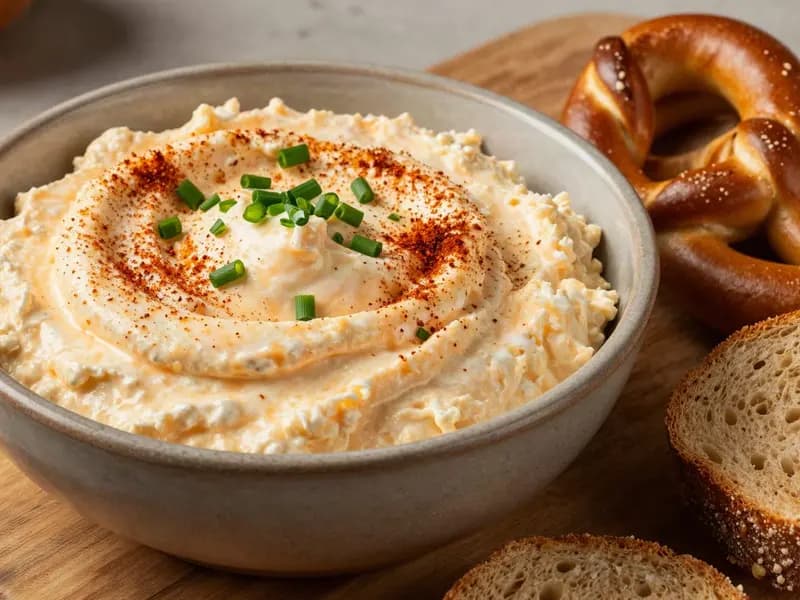
An Obatzda Bavarian Beer Cheese Dip for the Final Stretch of Oktoberfest 2026
Sep 29, 2026/3 min read