Phone-free events have grown by 567 per cent globally since 2024 and by 913 per cent in the United States. The interesting part is not the abstinence. It is that people are paying for enforcement.
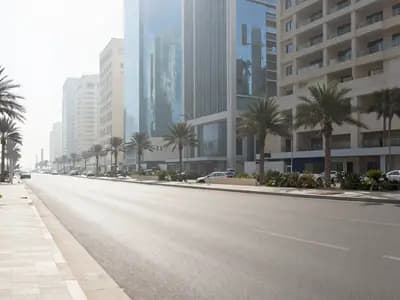
For ten weeks the Gulf empties. In the last fortnight of August it refills, all at once, and the version of the city you got used to disappears in about four days.
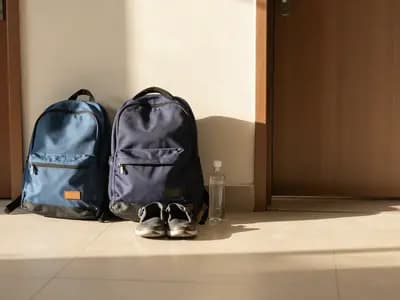
UAE schools reopen on 31 August. The families who find September easy are not the organised ones, they are the ones who started moving bedtimes while it was still August.
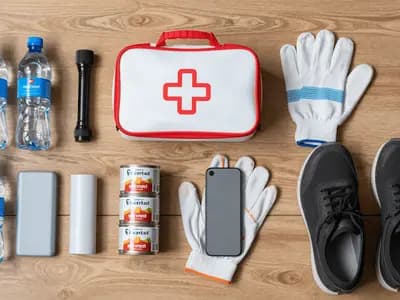
Drop, Cover, Hold On is the near-universal instruction, and the exceptions matter. Here is the official guidance from the UAE, Saudi Arabia, the United States and Europe, and where it diverges.
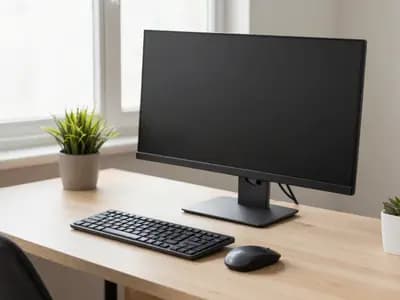
Most ergonomic advice is either equipment marketing or a diagram nobody follows. Screen height, elbow angle, foot support and how often you move account for almost all of it, and three are free.
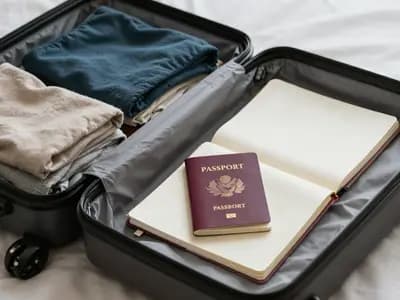
Deliberate career breaks of a few months, taken repeatedly across a working life rather than saved until the end. The idea is sound, the finances are unforgiving, and the visa questions are the ones nobody checks first.
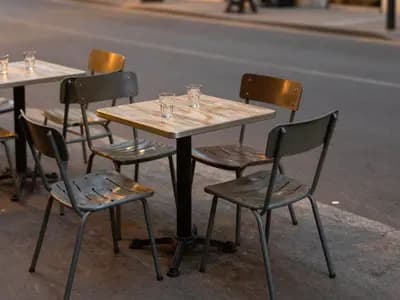
Home is first, work is second, and the third place is everywhere else you can exist without a transaction. In fast-built cities that category has been squeezed hardest, and people feel it before they can name it.
Adult friendship needs repetition, proximity and unplanned time, and expatriate cities systematically remove all three. Knowing which ingredient is missing makes the problem solvable.
Libraries, cafés, parks and community rooms give remote workers something home offices cannot: low-pressure contact, local rhythm and shared belonging.