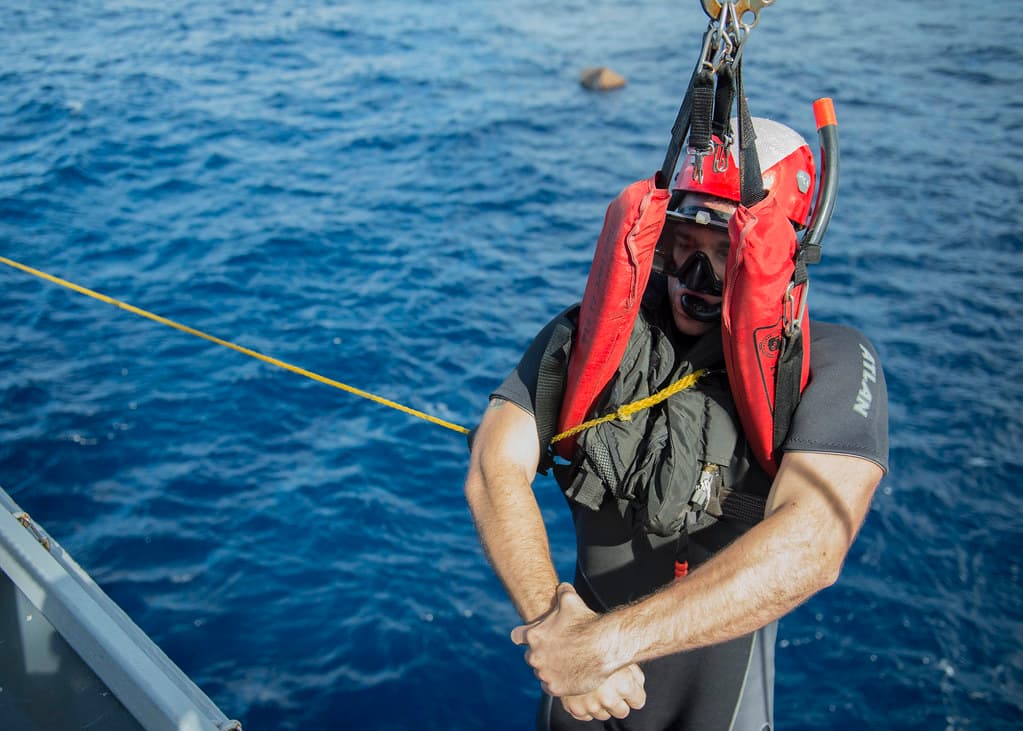
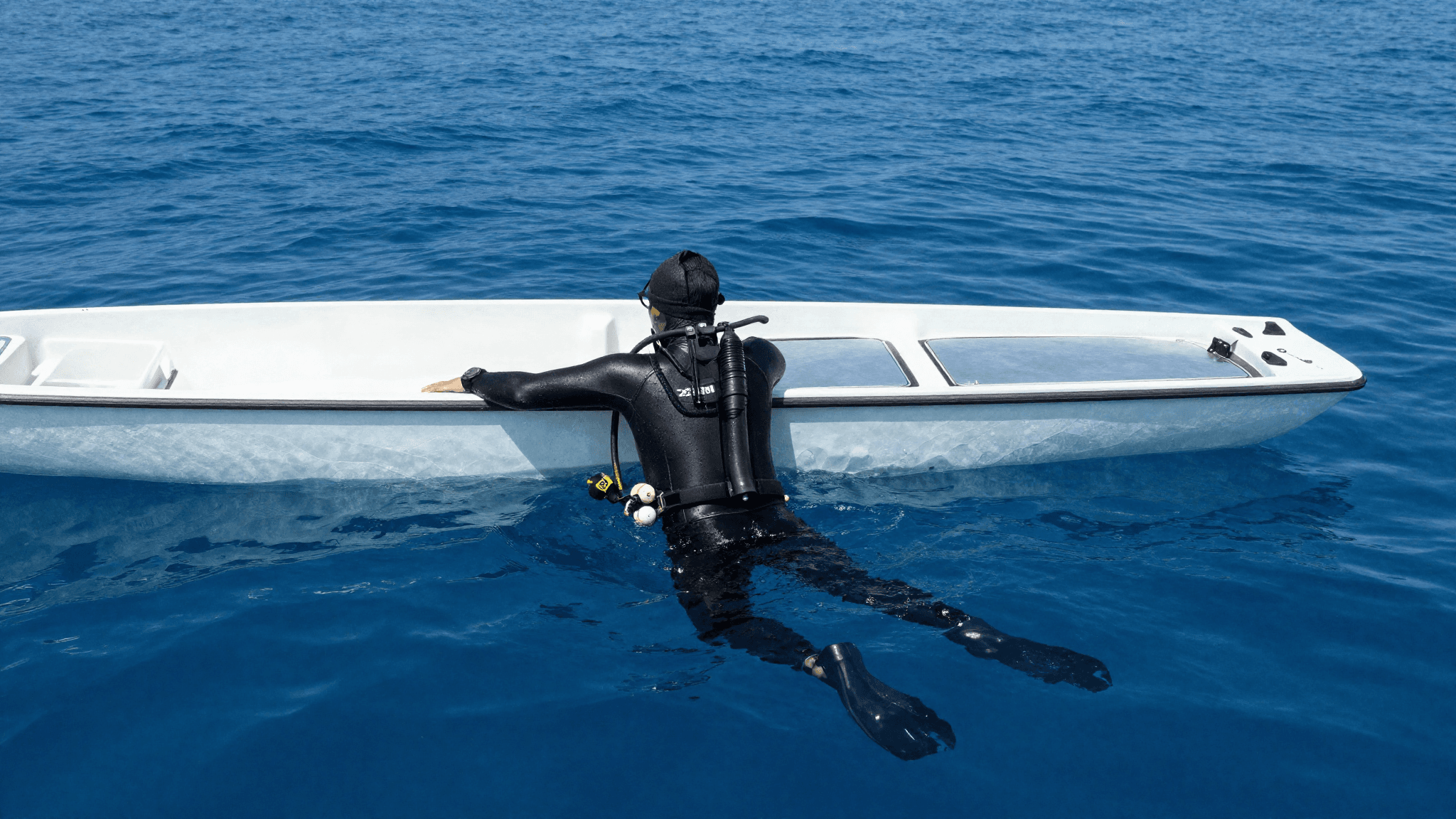
Shallow Water Blackout: The Mechanism That Kills Competent Freedivers
Shallow water blackout does not warn its victim first. Here is the physiology behind it, why it strikes trained divers, and why solo breath hold diving is never safe.
Jun 10, 2024

Search
60 stories for“war risk”
Shallow water blackout does not warn its victim first. Here is the physiology behind it, why it strikes trained divers, and why solo breath hold diving is never safe.
Jun 10, 2024
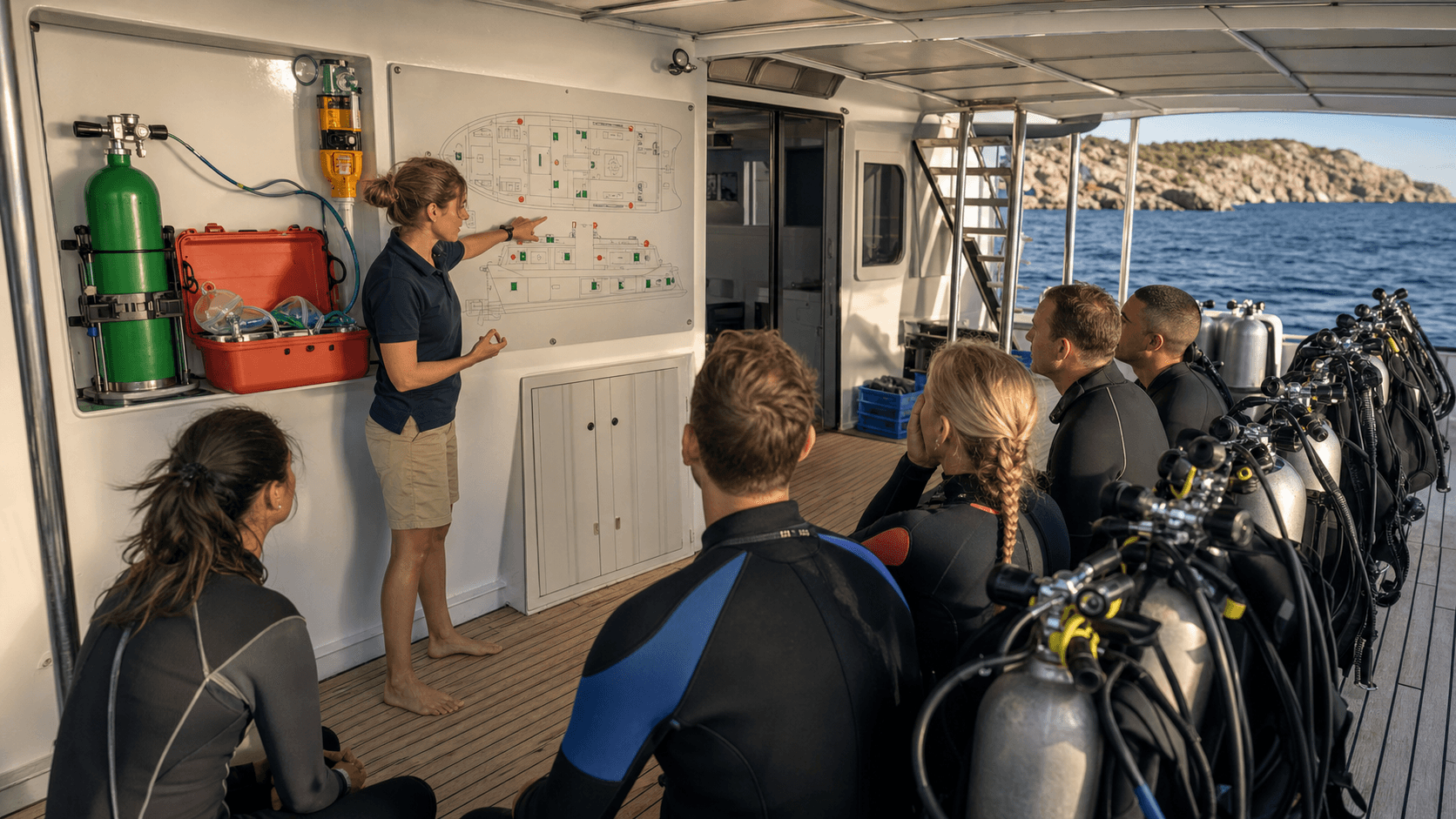
DAN warns that remote liveaboard incidents rose sharply in 2024-2025. Divers can reduce risk by checking oxygen, drills, charging rules, exits and evacuation plans before sailing.
Aug 2, 2026

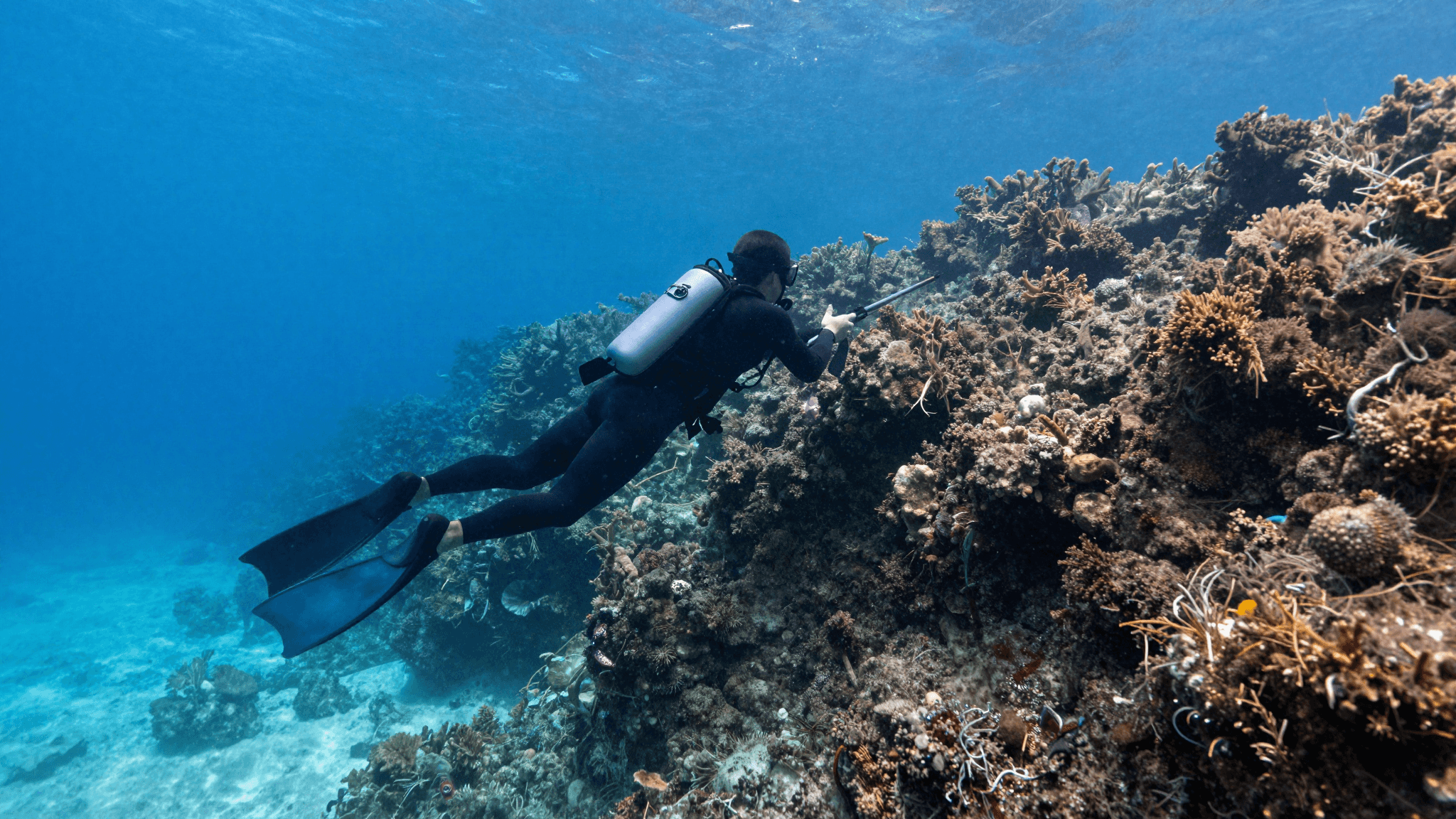
Spearfishing shares its breath hold physiology with freediving, but a hunting mindset changes the risk calculation entirely, and blackout remains the top cause of death.
Apr 8, 2026

The PROTECT package treats drowning as a systems failure involving childcare, transport, infrastructure, rescue and climate preparation, not a single bad choice.
Jul 23, 2026

The old assumption was that one breath cannot load enough nitrogen to matter. Repetitive deep dives with short surface intervals disprove it, and the divers it happens to are usually working, not competing.
Aug 12, 2026

CO2 tables build genuine breath hold tolerance over weeks. Hyperventilating beforehand does the opposite of what beginners think it does, and it has killed trained divers.
Sep 2, 2025

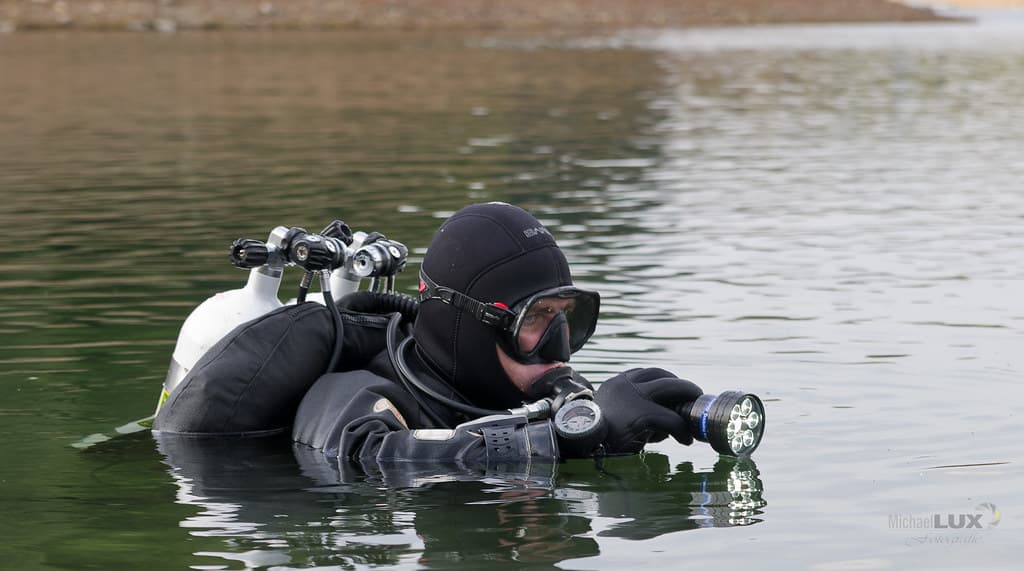
Oxygen keeps divers alive, until pressure turns it toxic. Here is why central nervous system oxygen toxicity shapes every gas decision in technical diving.
Sep 10, 2024

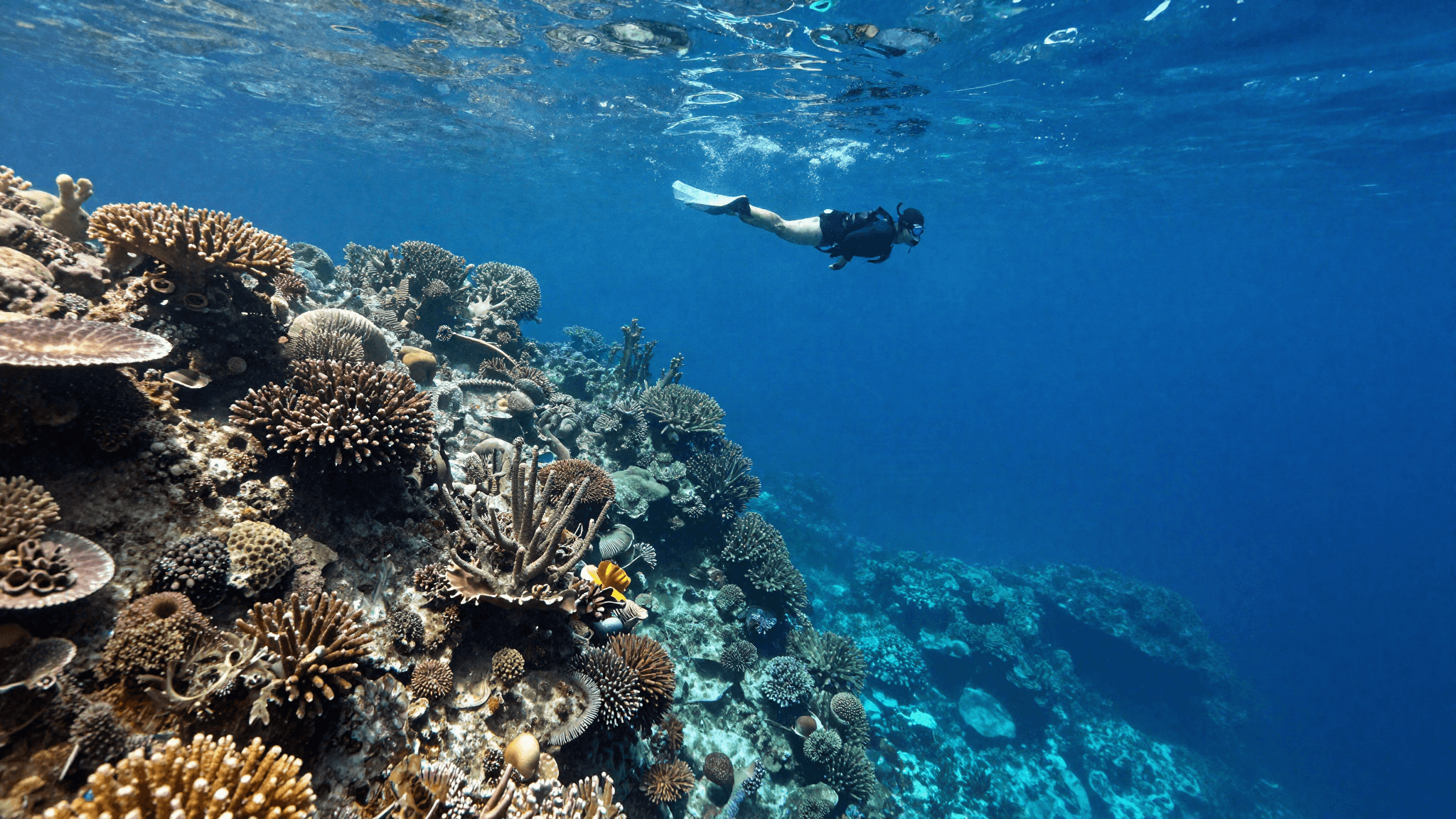
Dahab's Blue Hole draws freedivers year round for a reason: shore access to real depth, warm water, forgiving conditions and an established training community.
Nov 14, 2025