Ten Middle Eastern Dishes You Can Actually Cook on a Weeknight
No special equipment, no two-day marinades, no ingredients you have to travel for. Ten dishes that are genuinely quick, ordered by how little you have to do.
Friday, August 14, 2026/2 min read
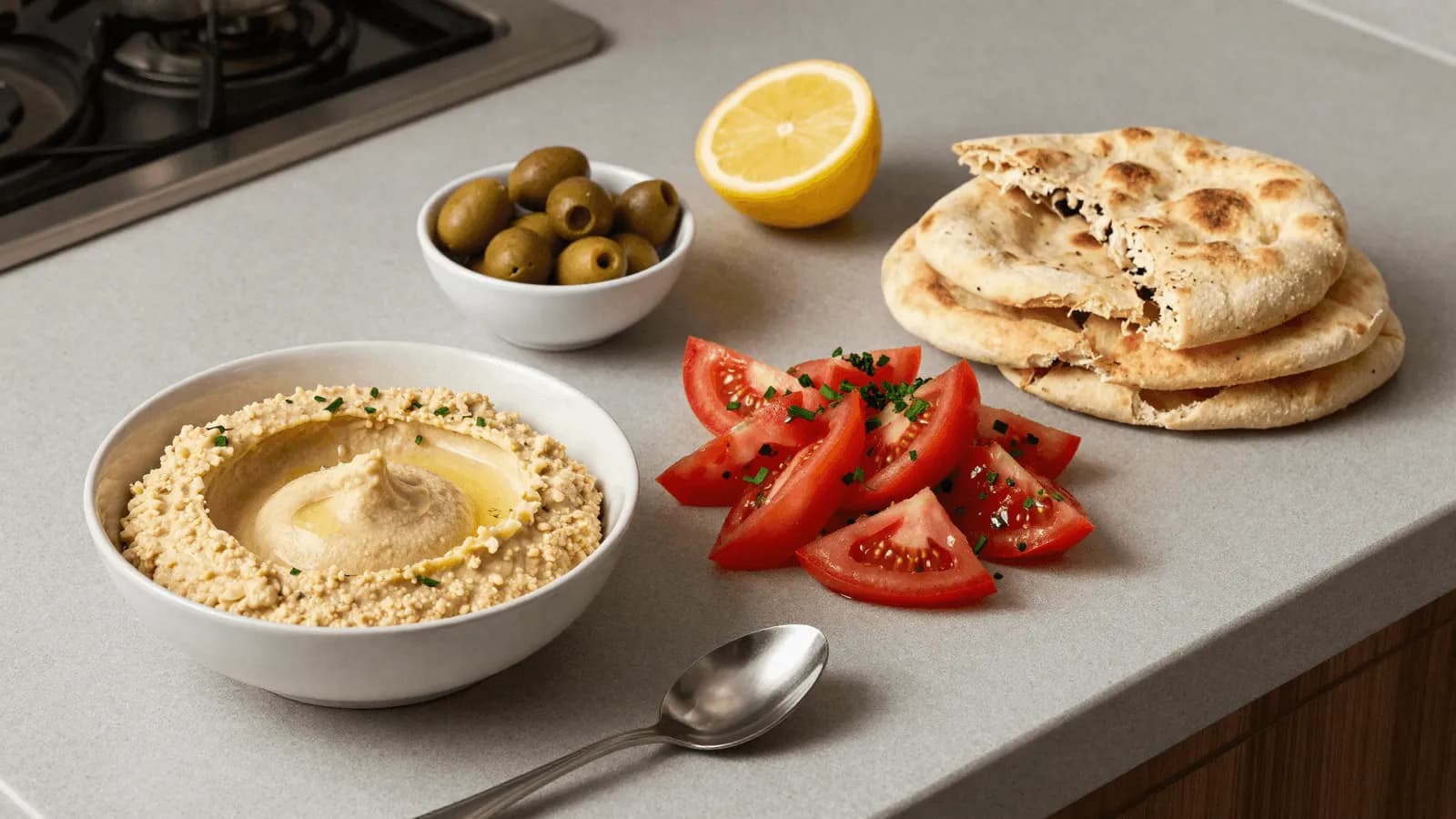
Middle Eastern cooking has a reputation for taking all day, and some of it does. Most of it does not. A large part of the repertoire was developed by people cooking on limited fuel with limited money, which is exactly the constraint a weeknight imposes.
These are ordered by effort, starting with the ones that ask almost nothing.
Five ingredients that unlock most of it
Before the dishes, the shopping. Almost everything below comes from this short list.
- Tahini. Sesame paste. The base of hummus, moutabal and most sauces. Buy a runny one; a stiff, separated jar is old.
- Sumac. Ground dried berry, sour and fruity. Goes on almost anything and instantly reads as Levantine.
- Pomegranate molasses. Sour, sweet, thick. A teaspoon transforms a dressing.
- Allspice. The background note of Levantine savoury cooking.
- Good olive oil, used more generously than feels sensible.
Add dried chickpeas or tinned ones, and you can cook most of this cuisine.
Under 15 minutes
1. Shakshuka
Eggs poached in spiced tomato and pepper. One pan, no technique beyond reducing the sauce before the eggs go in. Recipe.
2. Fattoush
Chopped vegetable salad with toasted flatbread, sumac and pomegranate molasses. The best use for stale bread there is. Recipe.
3. Menemen
Turkish eggs scrambled through tomato and green pepper. Faster than shakshuka and a different dish. Recipe.
4. Hummus
From tinned chickpeas it takes five minutes. The technique that makes it smooth is worth learning once. Recipe.
Under 30 minutes
5. Batata harra
Fried potatoes with garlic, coriander and chilli. Side dish in theory, dinner in practice. Recipe.
6. Tabbouleh
Twenty-five of the thirty minutes are chopping parsley by hand, which cannot be shortcut without ruining it. Recipe.
7. Chicken shawarma, the home version
Not a spit, but marinated thigh roasted hot and sliced gets close. Recipe.
8. Za'atar chicken
Thighs rubbed with za'atar and oil, roasted at high heat. Almost no work. Recipe, and what za'atar actually is if the jar is a mystery.
Under an hour, mostly unattended
9. Mujadara
Rice and lentils with caramelised onions. The onions take 25 minutes and you should not rush them, but they need only occasional attention. Recipe.
10. Chicken kabsa
The Saudi national dish in about an hour, most of it simmering. Recipe.
What to do on Sunday to make the week easier
Two things pay off disproportionately.
Caramelise a large batch of onions. They keep a week in the fridge and turn mujadara, lentil soup and any rice dish into something finished. This is the highest-value hour you can spend.
Marinate and freeze chicken flat. Raw chicken in a yogurt marinade, bagged flat and frozen, marinates as it thaws. Move a bag to the fridge in the morning and dinner is twelve minutes of grilling. The reasoning is in our marinade guide.
The one habit that changes everything
Season with acid at the end, not just salt. Lemon, sumac or pomegranate molasses added after cooking is what makes these dishes taste like themselves rather than like a competent approximation.
If something you have cooked tastes flat and adding salt has not fixed it, it needs acid. That is true across this entire cuisine and most others.
Published in The Outspoken Digest
Editorial desk
Outspoken Digest Food DeskCooking, ingredients, restaurants and the economics of what ends up on the table.
Newsletter
The Digest, in your inbox
One edition, sent when it is ready. No noise, and your address is never passed on.
Read Next
More Recipes →
Swangy Tamarind Glazed Chicken Wings for the Flavour Replacing Swicy on Fast Food Menus
Sep 29, 2026/3 min read

Baked Apple Cider Doughnuts for a Cider Season That Peaked Earlier Than the Calendar Says
Sep 29, 2026/3 min read
An Obatzda Bavarian Beer Cheese Dip for the Final Stretch of Oktoberfest 2026
Sep 29, 2026/3 min read