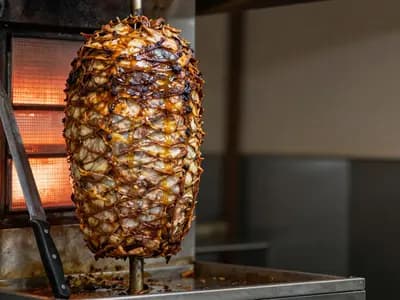
The name is a loanword from Turkish, the technique is a nineteenth century invention, and the man usually credited with it was a butcher in Bursa who turned the spit on its end. Here is where shawarma actually comes from.
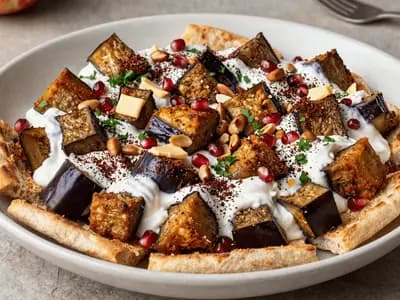
A dish built to use up yesterday's bread, assembled in layers while everything is still hot so half the bread softens and half stays crisp. Timing is the whole technique.
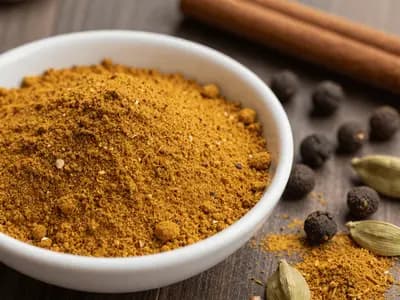
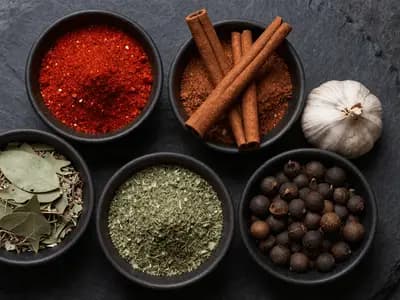
Allspice, cinnamon, turmeric, cumin and black pepper. A warm, sweet-leaning blend that has to season rice, meat and fried aubergine at once, and colour the whole thing while it is at it.
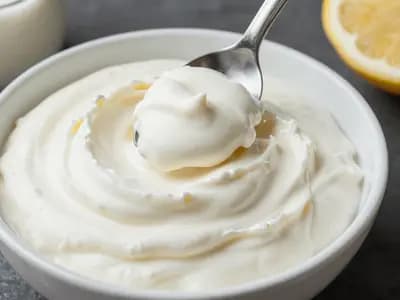
Garlic, oil, lemon and salt whipped into a white sauce stiff enough to stand a spoon in. There is no egg holding it together, which is exactly why it breaks when you rush the oil.
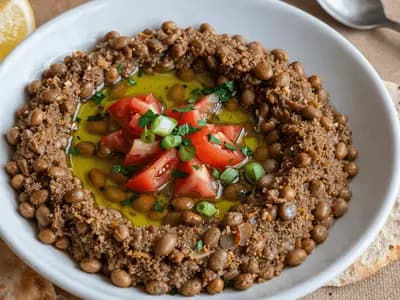
Egyptian ful is crushed, oily and cumin-heavy. Lebanese ful keeps chickpeas in it and more lemon. Sudanese ful arrives under cheese. The bean is the same and almost nothing else is.
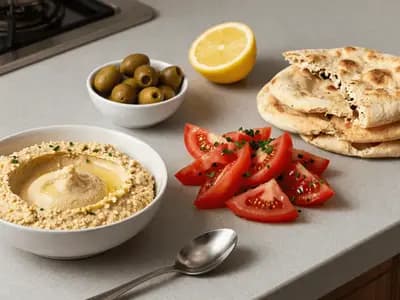
Fava beans simmered until they collapse, crushed with garlic, lemon and olive oil, eaten out of a bowl with bread. Older than the pyramids by some accounts, and still what Cairo eats at dawn.
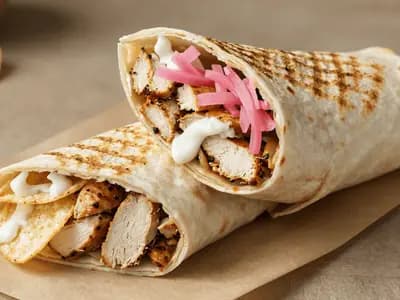
Bread, toum, chicken, pickles, chips. The order matters, the wrap has to be pressed, and yes, the chips go inside. This is the sandwich as it is actually sold on the street.
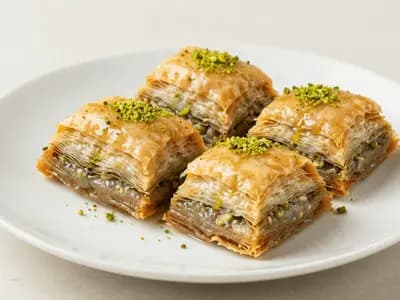
Most filo is already vegan. Swap clarified butter for a blend of coconut oil and olive oil, use sugar syrup instead of honey, and the result is genuinely crisp rather than merely acceptable.
Paprika for colour, cinnamon and allspice for warmth, garlic for everything else. The blend is small, the quantities are smaller than people expect, and one spice is doing a job you cannot taste.
No special equipment, no two-day marinades, no ingredients you have to travel for. Ten dishes that are genuinely quick, ordered by how little you have to do.
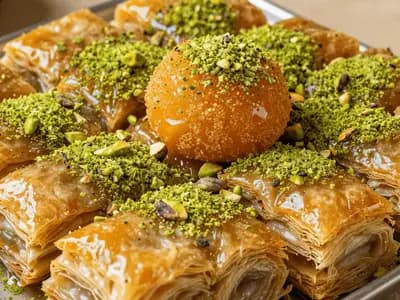
Knafeh, baklava, luqaimat, basbousa. Nearly all of them are pastry plus sugar syrup, and there is one rule about temperature that decides whether yours is crisp or soggy.