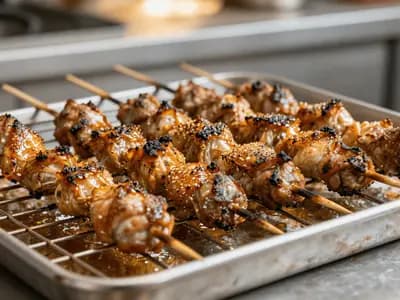
You can make very good shish tawook without a grill. What you cannot do is get the same thing, so the method changes: high heat, a rack, and a hard finish under the element.
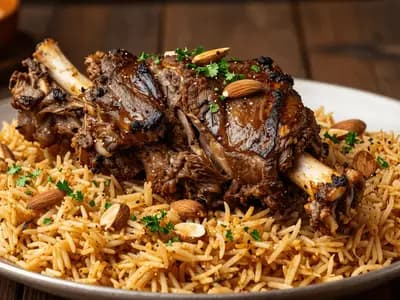
Mansaf, kabsa, shuwa, kibbeh, kofta. The recipes differ less than the butchery does, and using the wrong cut is why home versions come out dry or greasy.
Most of the Levantine repertoire was already meatless, because meat was expensive and fasting traditions are old. These are dishes designed to be eaten without meat, not adapted to be.
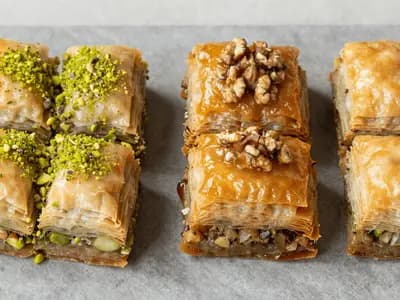
Pistachio against walnut, sugar syrup against honey, semolina in the layers or not. The differences are real and worth knowing. The ownership question is less answerable than either side would like.
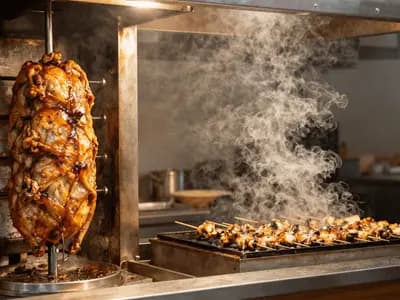
Both are marinated chicken, both arrive in flatbread with garlic sauce, and they are made by completely different methods. The difference is the heat, and it changes everything.
Almost every great aubergine dish in the region depends on one of two techniques: burning it whole over flame, or frying it until it collapses. Choosing wrongly is why yours is rubbery.
Kabsa, machboos, maqluba, mujadara, freekeh. They look similar on a platter and are constructed by completely different methods. A guide to which is which and when to cook it.
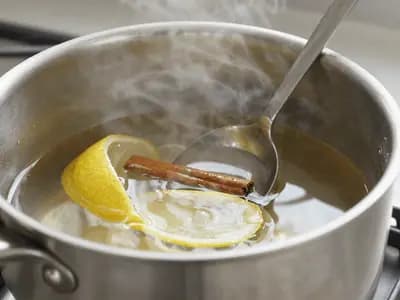
Two parts sugar, one part water, a squeeze of lemon and a restrained hand with the blossom water. Get this right and most Middle Eastern desserts stop being difficult.
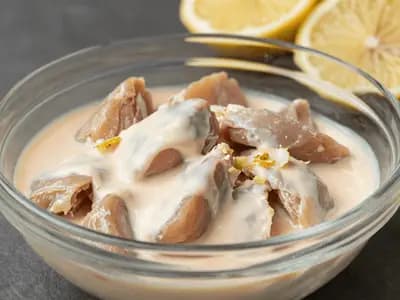
The marinade is the entire dish. Here is what each ingredient is actually for, the ratio that works, and the timing window outside which you make the chicken worse rather than better.
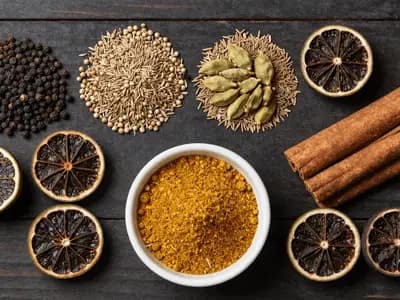
There is no single official formula, and every Saudi household adjusts it. Here is a working baseline, what each spice contributes, and the one ingredient that has to be ground separately.
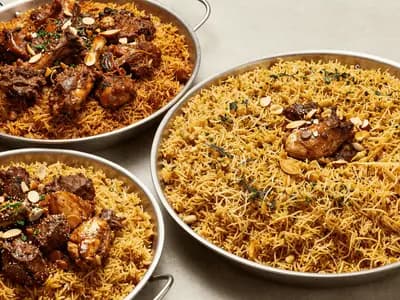
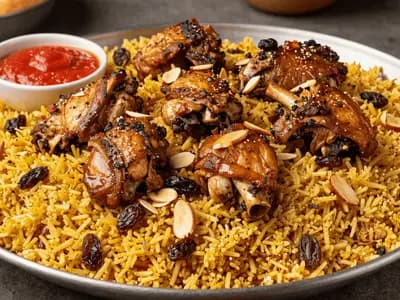
Lamb kabsa takes an afternoon. Chicken kabsa takes about an hour and follows the same logic: build the broth, cook the rice in it, and grill the chicken at the end for colour.