Firms spend heavily on stands and almost nothing on follow-up, then conclude that exhibitions do not work. The floor is the cheap part of the exercise and the least important.
Abu Dhabi's energy week arrives on 2 November with hydrogen and carbon capture across the agenda and hydrocarbons across the balance sheets. Both things are true at once.
Riyadh opens at the end of August, Abu Dhabi takes November, Dubai takes the rest. Four shows account for most of the region's commercial calendar between now and the new year.
Roughly six trillion dollars of sovereign wealth now sits behind the region's funds. What that money buys, and where it is deployed, matters more to the next ten years than the oil price does.
Weaker dividend income, higher operating costs and a bigger tax line pushed the Saudi investment house lower in the first half. Each of those pressures applies well beyond one company.
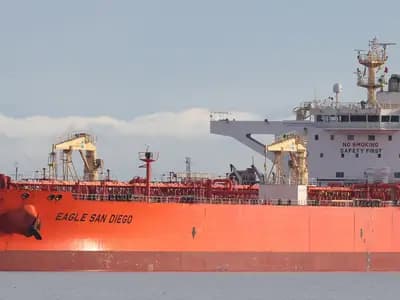
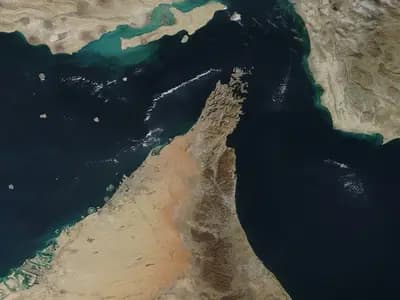
Profit rose 29 percent as Hormuz disruption pushed crude to $108 a barrel in the second quarter. The number says more about the strait than about the company.
The kingdom's sovereign fund and America's export credit agency have agreed a memorandum worth up to fifteen billion dollars. What it is not is a committed investment.
Non-oil activity reached 79.4 percent of national output in the first quarter, growing at 4.8 percent while the overall economy grew 3. The gap between those figures is the story.
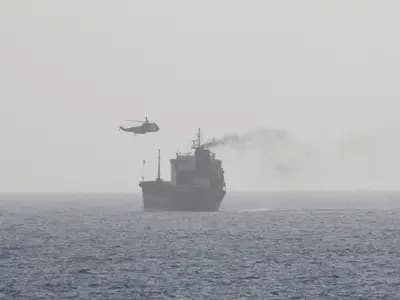
Shipping, insurance and construction costs are all higher because of the Iran conflict. Saudi Arabia and the UAE are pressing ahead with project awards anyway, and the reasoning is deliberate.
Wheat and oat yields are poor, livestock farmers are eating into winter feed in August, and growers are running out of irrigation water. The Farmers' Union calls this the third drought in five years.
A stake Musk's carmaker holds in his rocket company produced more paper profit last quarter than building and selling cars did. On the earnings call, he stopped short of denying a merger.