Air Versus Mixed Gas Below 50 Metres, Explained
Below 50 metres, ordinary air becomes a liability for divers. Here is the physics behind nitrogen narcosis, rising gas density, and why trimix exists as the technical diving standard.
Jun 8, 2026
Search
60 stories for“physical AI”
Below 50 metres, ordinary air becomes a liability for divers. Here is the physics behind nitrogen narcosis, rising gas density, and why trimix exists as the technical diving standard.
Jun 8, 2026
PFO, asthma, diabetes and certain medications can all change whether diving is safe. Here is why the medical questionnaire before a course matters.
Jan 27, 2025

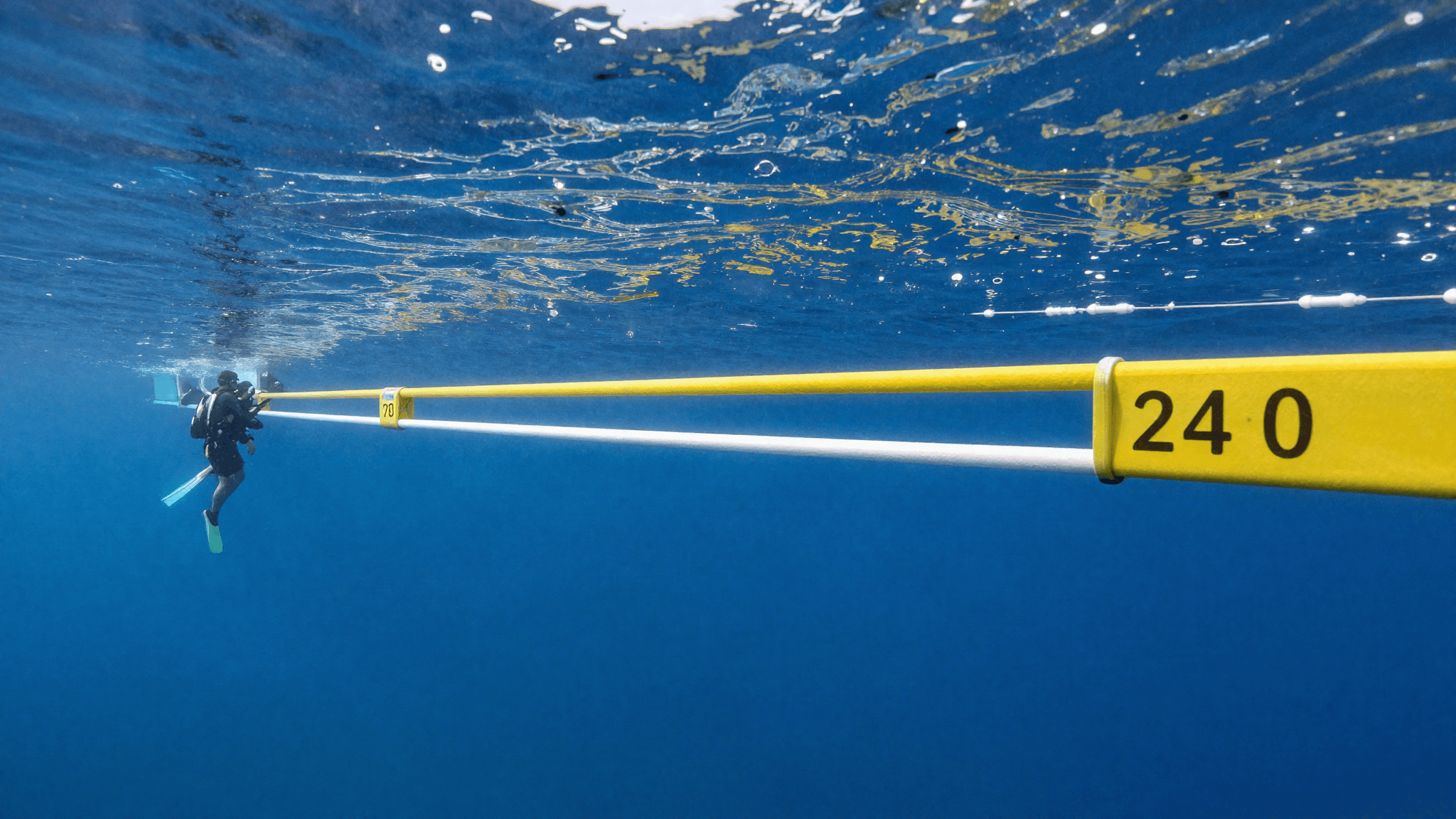
Safety divers, counterballast lines and strict medical protocol turned a high risk sport into one of the most closely supervised in the water.
Mar 11, 2025

DAN is a name every diver knows, but membership and dive accident insurance are not the same thing. Here is what each one actually buys you.
Jun 30, 2025

The world's largest training agency is also the most argued about. Setting the snobbery aside, here is what a PADI course actually mandates, where the flexibility sits, and what the card does not cover.
Aug 12, 2026

Enriched air extends no-decompression limits at recreational depths by reducing the nitrogen you take on. It also imposes a hard ceiling on how deep you can take it, and the claim about post-dive fatigue has never held up.
Sep 5, 2026

Divers call it the bends. Doctors call it decompression sickness. Here is what nitrogen bubbles actually do to tissue, and how hyperbaric treatment reverses it.
Feb 14, 2024

Diving emergencies far from shore involve costly medical evacuations and coordination. Here is how that response is actually funded and organised, and who calls the shots.
Jun 25, 2026

Divers Alert Network is not a training agency and issues no certifications. It collects the injury data, then publishes guidance based on it. Here is that guidance, in the order it matters.
Aug 12, 2026

The current constant weight world records, the athletes behind them, and the federations, AIDA and CMAS, that ratify every metre added to the books.
Jan 15, 2026

The standard aluminium 80 is negatively buoyant full and positively buoyant empty, which is why safety stops go wrong at the end of a dive. Steel behaves differently, and the valve and testing rules differ too.
Sep 5, 2026

Coughing pink after a deep dive is not something to shrug off. Squeeze happens when tissue cannot keep up with pressure, and the usual causes are tension, forcing equalisation and pushing depth too fast.
Aug 13, 2026

The old assumption was that one breath cannot load enough nitrogen to matter. Repetitive deep dives with short surface intervals disprove it, and the divers it happens to are usually working, not competing.
Aug 12, 2026

DAN's annual diving reports track how divers die each year, and the leading cause is rarely the dramatic equipment failure popular imagination assumes it to be.
Jun 19, 2026

CWT, CNF, FIM, STA, DYN: a plain guide to how competitive freediving is actually judged, discipline by discipline, and why the letters matter more than the depth alone.
Feb 14, 2024

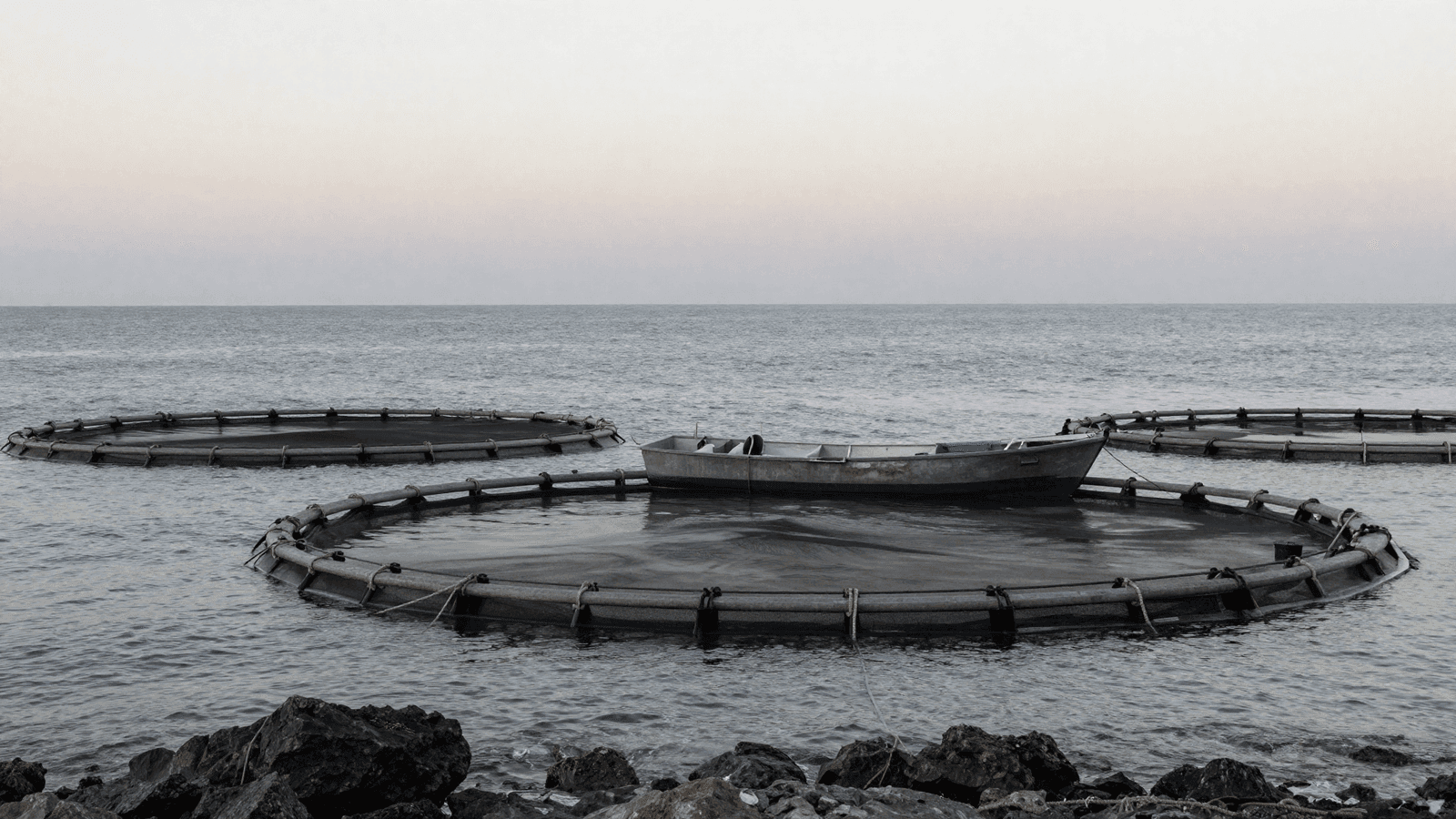
Redeemer Grima, 41, was working 30 metres down at a fish farm off St Paul's Islands when he drowned. His equipment was later found lodged in the mouth of a dead bluefin tuna.
Aug 12, 2026