Diving
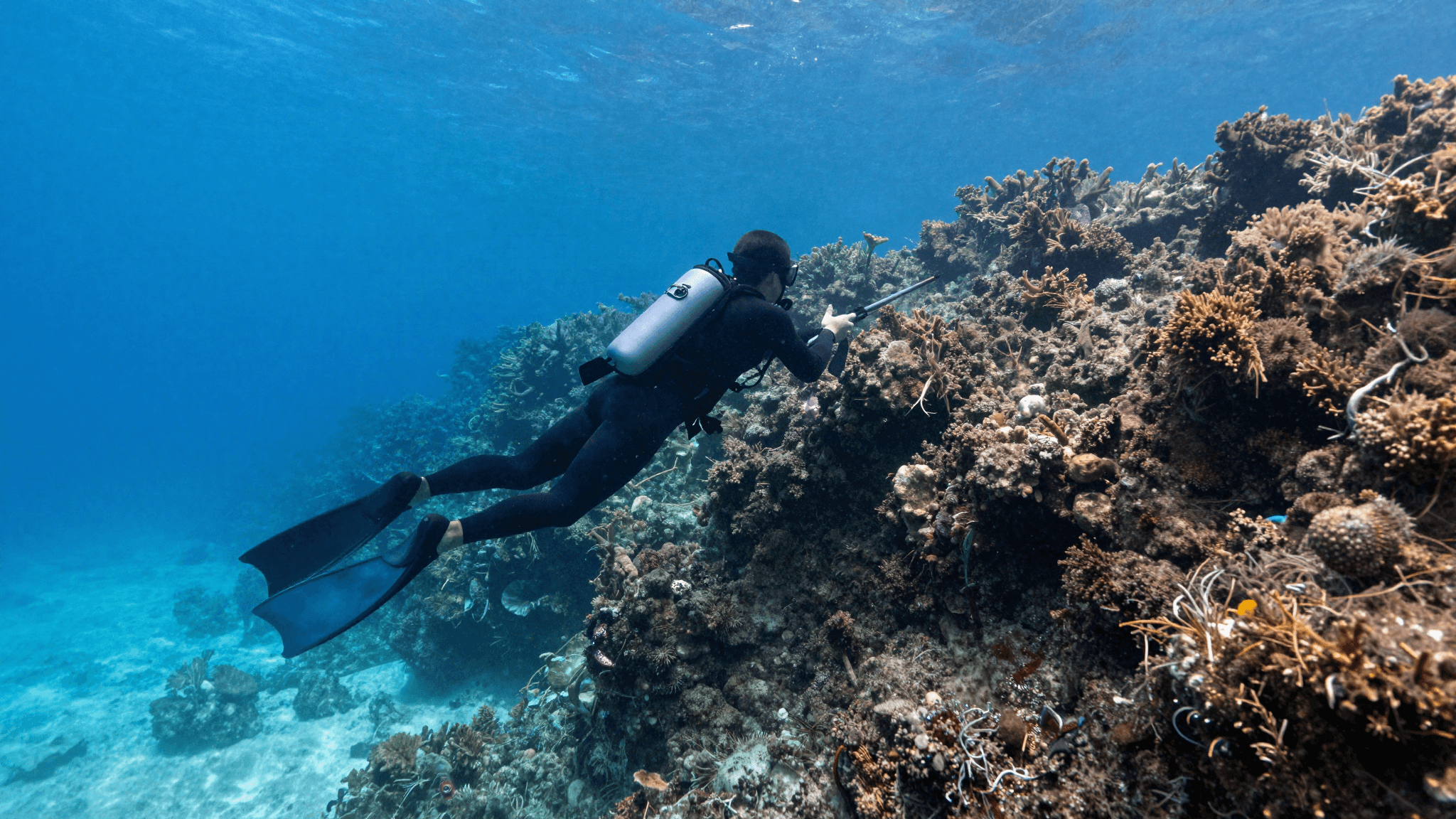
Spearfishing and Freediving: The Overlap and the Added Risk
Spearfishing shares its breath hold physiology with freediving, but a hunting mindset changes the risk calculation entirely, and blackout remains the top cause of death.
Apr 8, 2026
Search
20 stories for“freediving risks”
Spearfishing shares its breath hold physiology with freediving, but a hunting mindset changes the risk calculation entirely, and blackout remains the top cause of death.
Apr 8, 2026
The old assumption was that one breath cannot load enough nitrogen to matter. Repetitive deep dives with short surface intervals disprove it, and the divers it happens to are usually working, not competing.
Aug 12, 2026
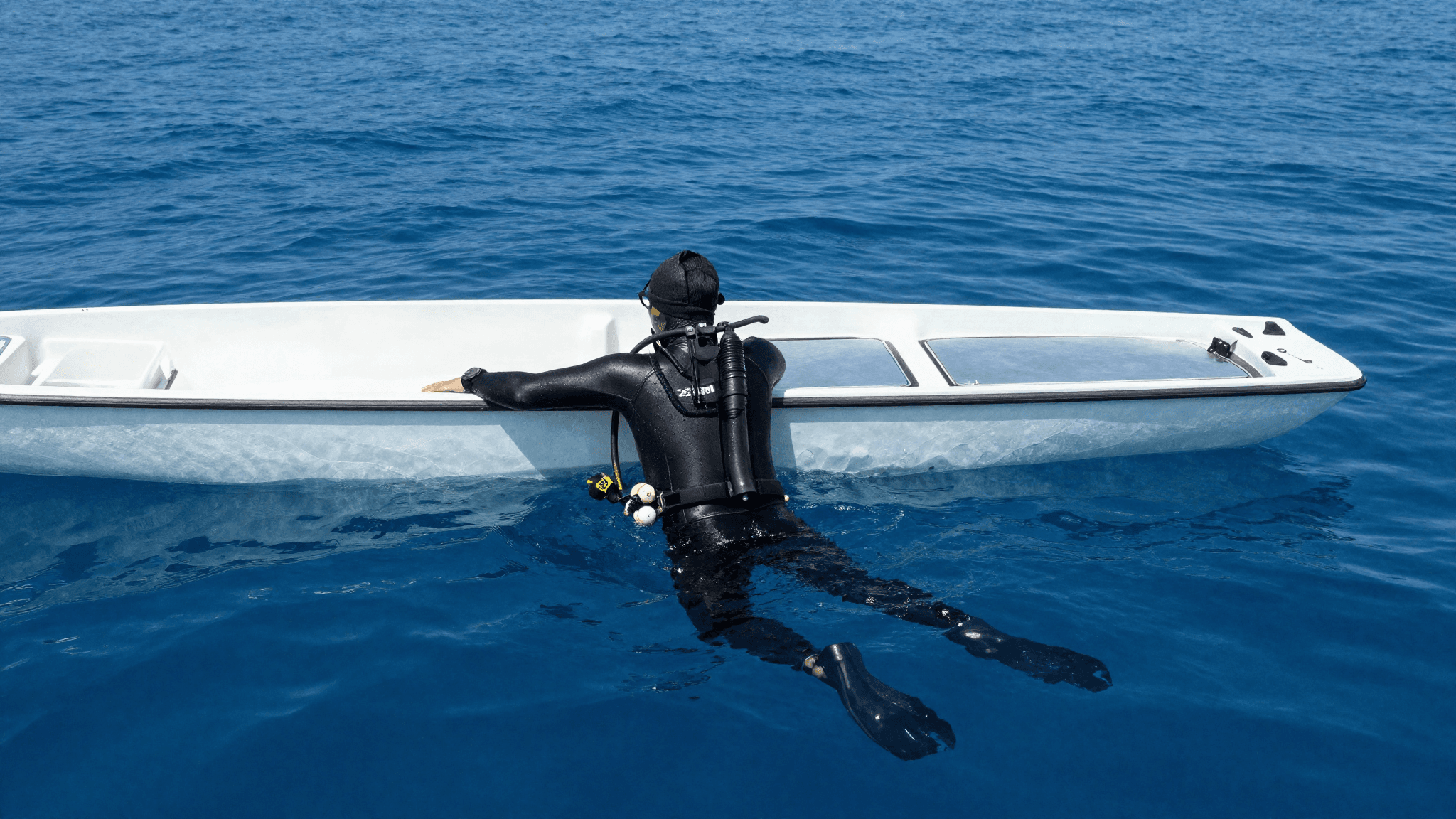
Safety divers, counterballast lines and strict medical protocol turned a high risk sport into one of the most closely supervised in the water.
Mar 11, 2025
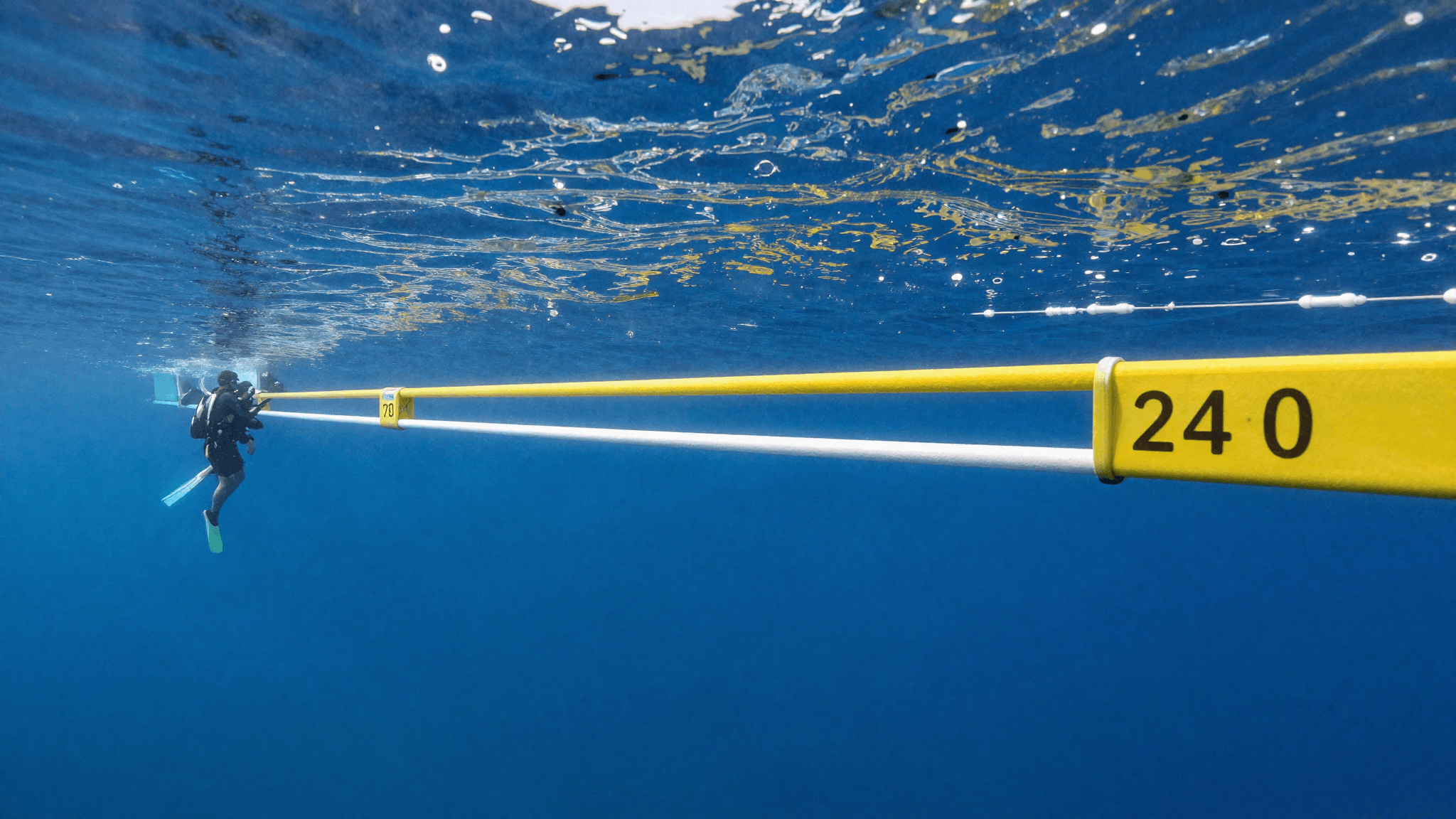
Shallow water blackout does not warn its victim first. Here is the physiology behind it, why it strikes trained divers, and why solo breath hold diving is never safe.
Jun 10, 2024
Submersion triggers an ancient reflex that slows the heart, redirects blood, and quietly reshapes what a trained freediver's body can survive underwater.
Sep 18, 2024
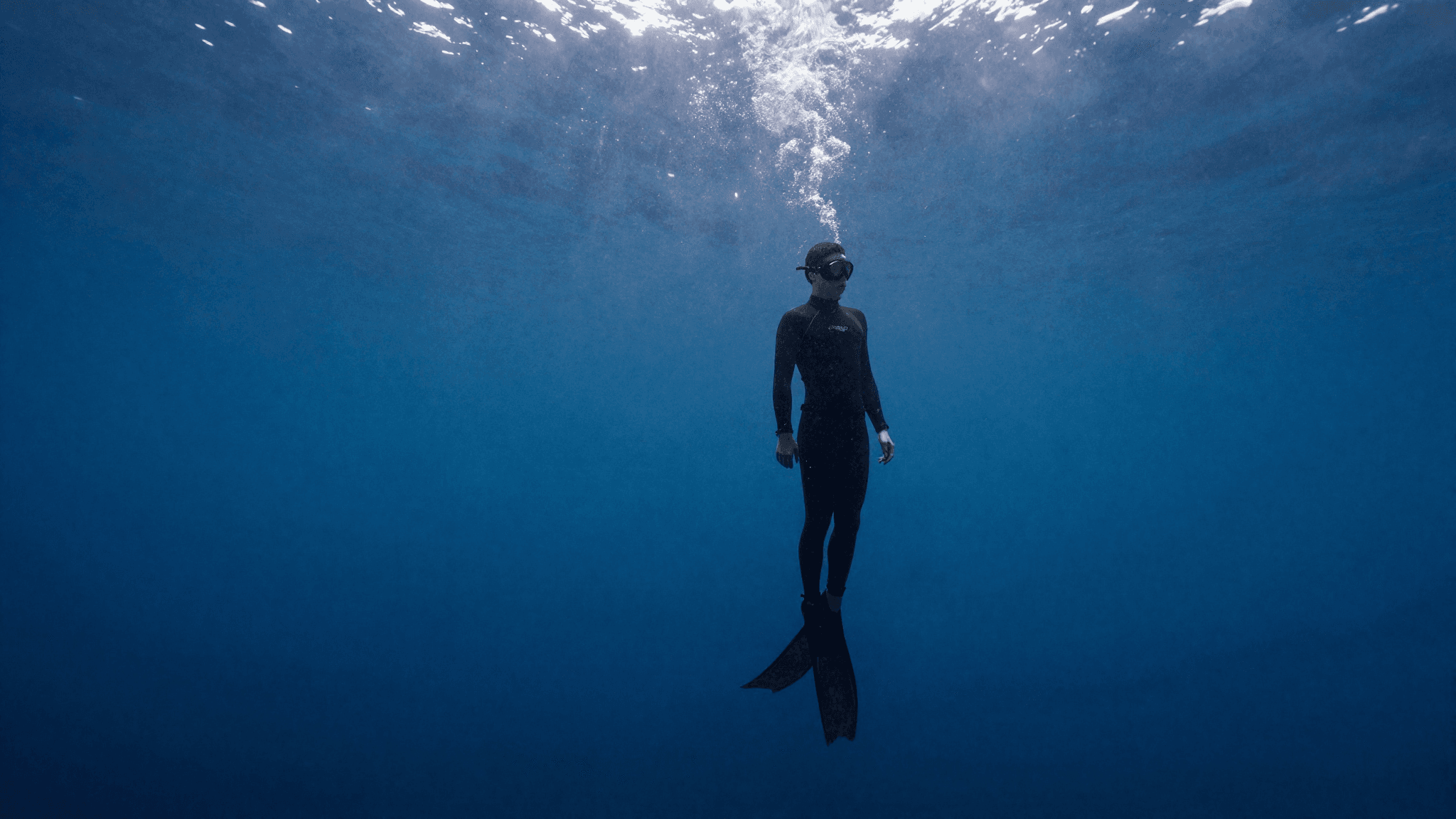
Two depth marks fell at the AIDA world championships in Cyprus, one in constant weight for men and one in free immersion for women. Both still await ratification.
Oct 10, 2026
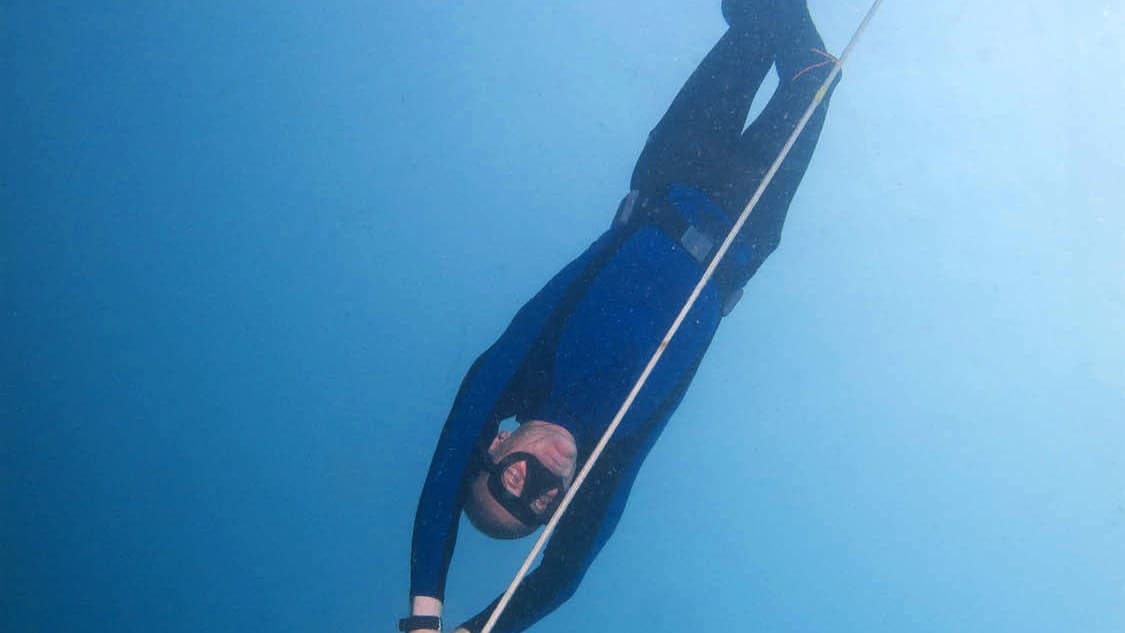
The east coast has the depth, the Gulf side has the pools, and summer changes the answer entirely. A practical guide to training here across the year rather than flying to Dahab every time.
Aug 13, 2026
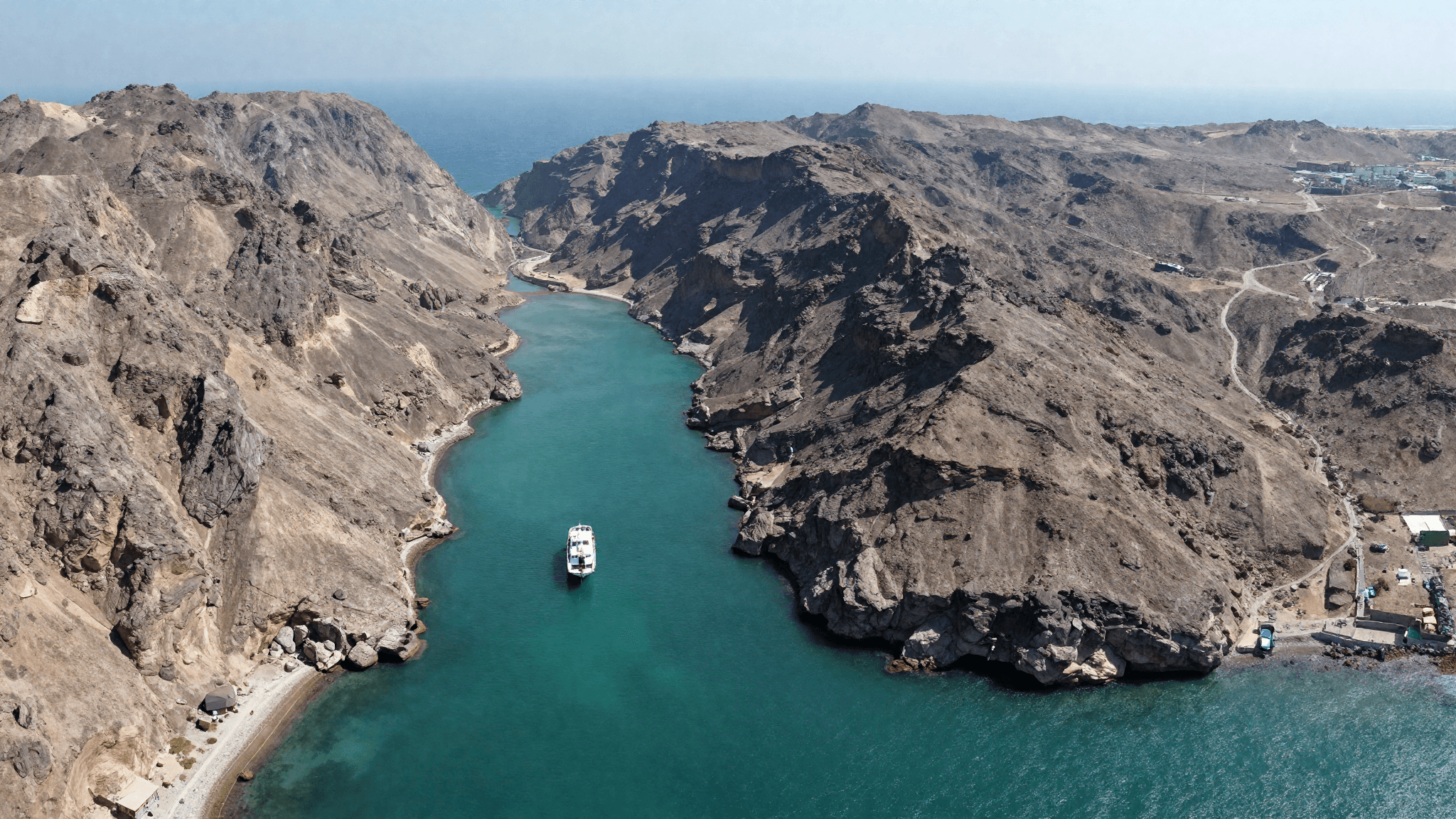
Overweighting is the most common equipment error in freediving and the one with the worst failure mode. The rule is simple: neutral at ten metres, positive above it, and the surface is where it matters.
Aug 11, 2026
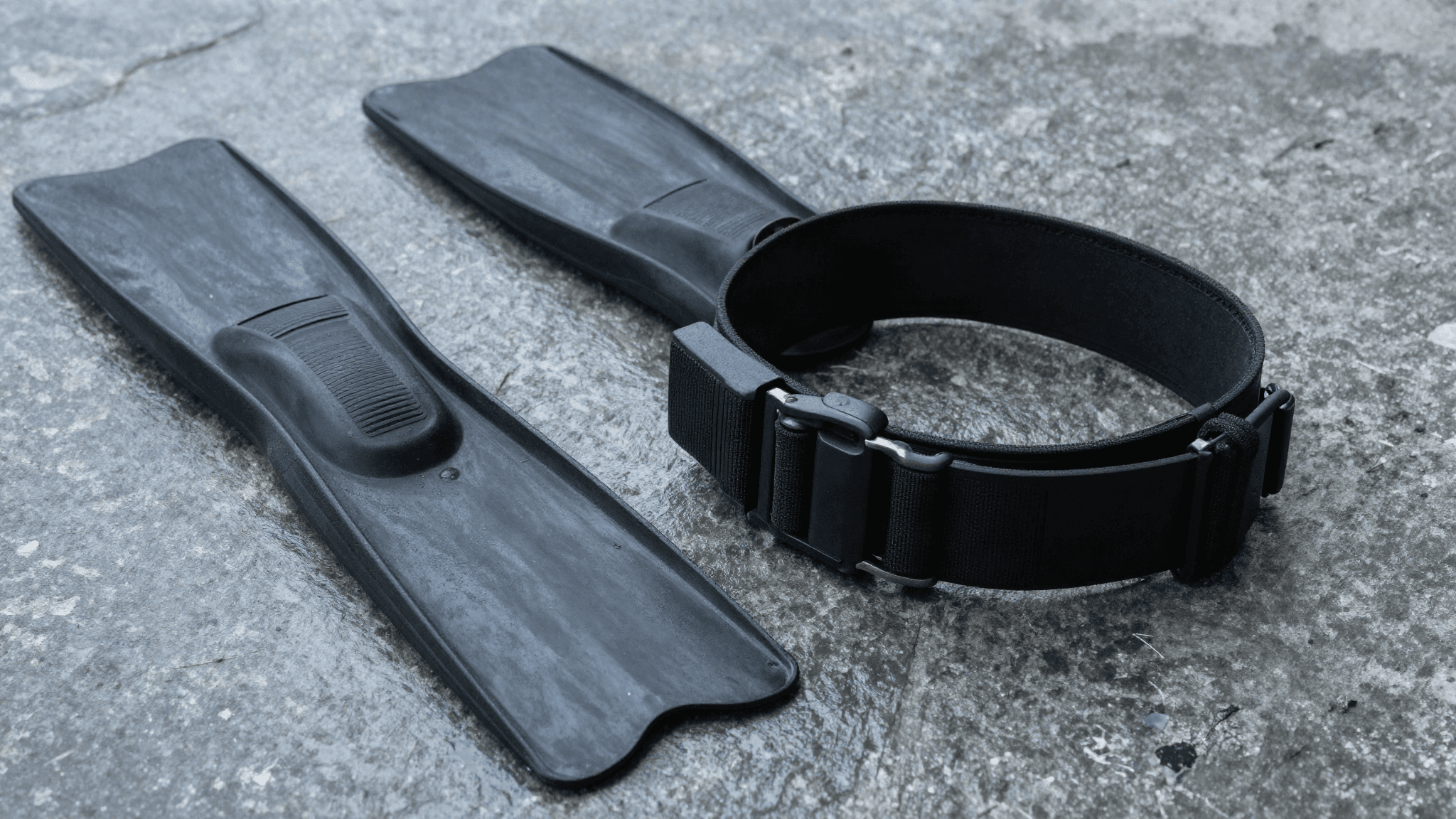
Dahab's Blue Hole draws freedivers year round for a reason: shore access to real depth, warm water, forgiving conditions and an established training community.
Nov 14, 2025
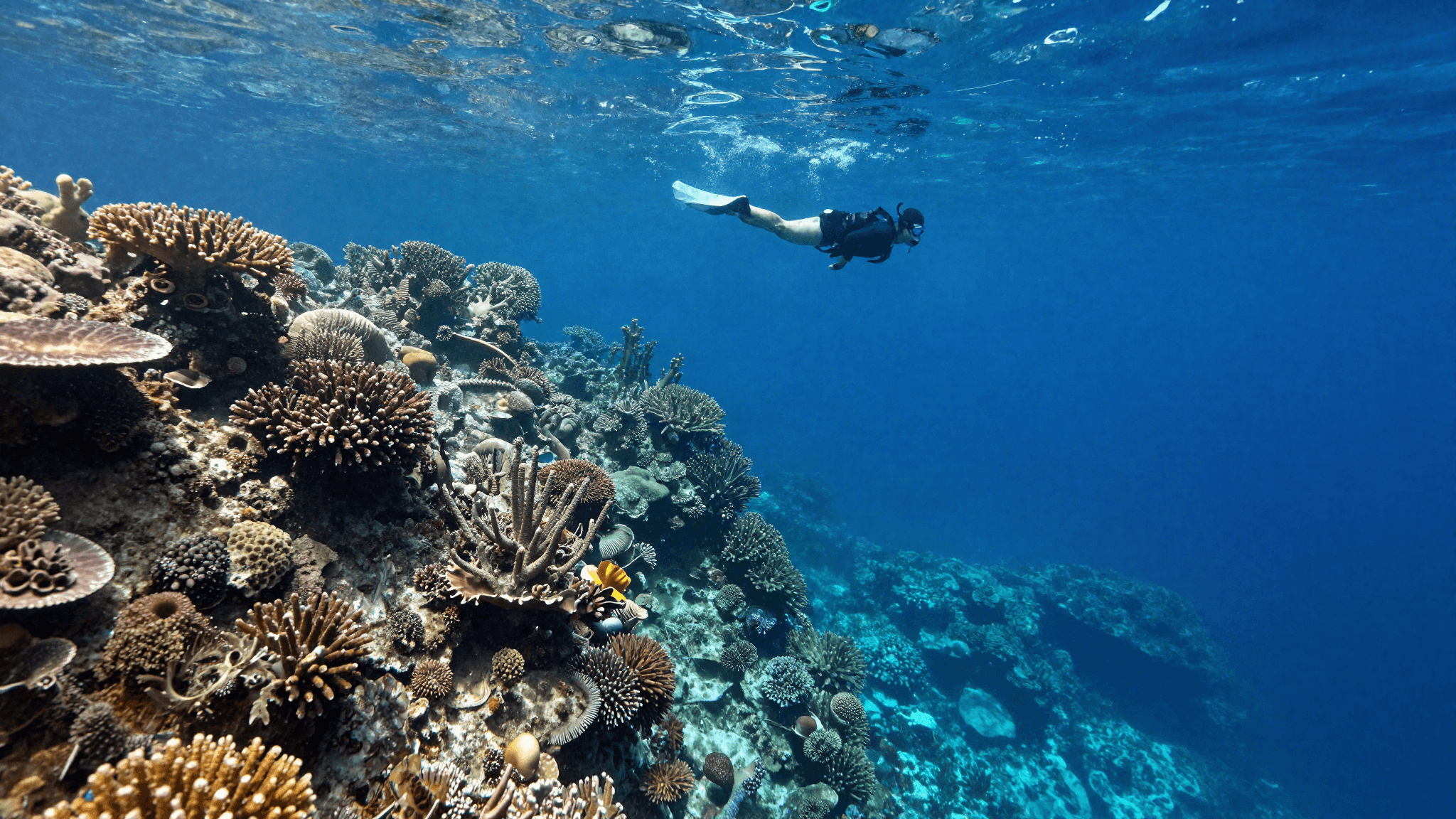
CO2 tables build genuine breath hold tolerance over weeks. Hyperventilating beforehand does the opposite of what beginners think it does, and it has killed trained divers.
Sep 2, 2025
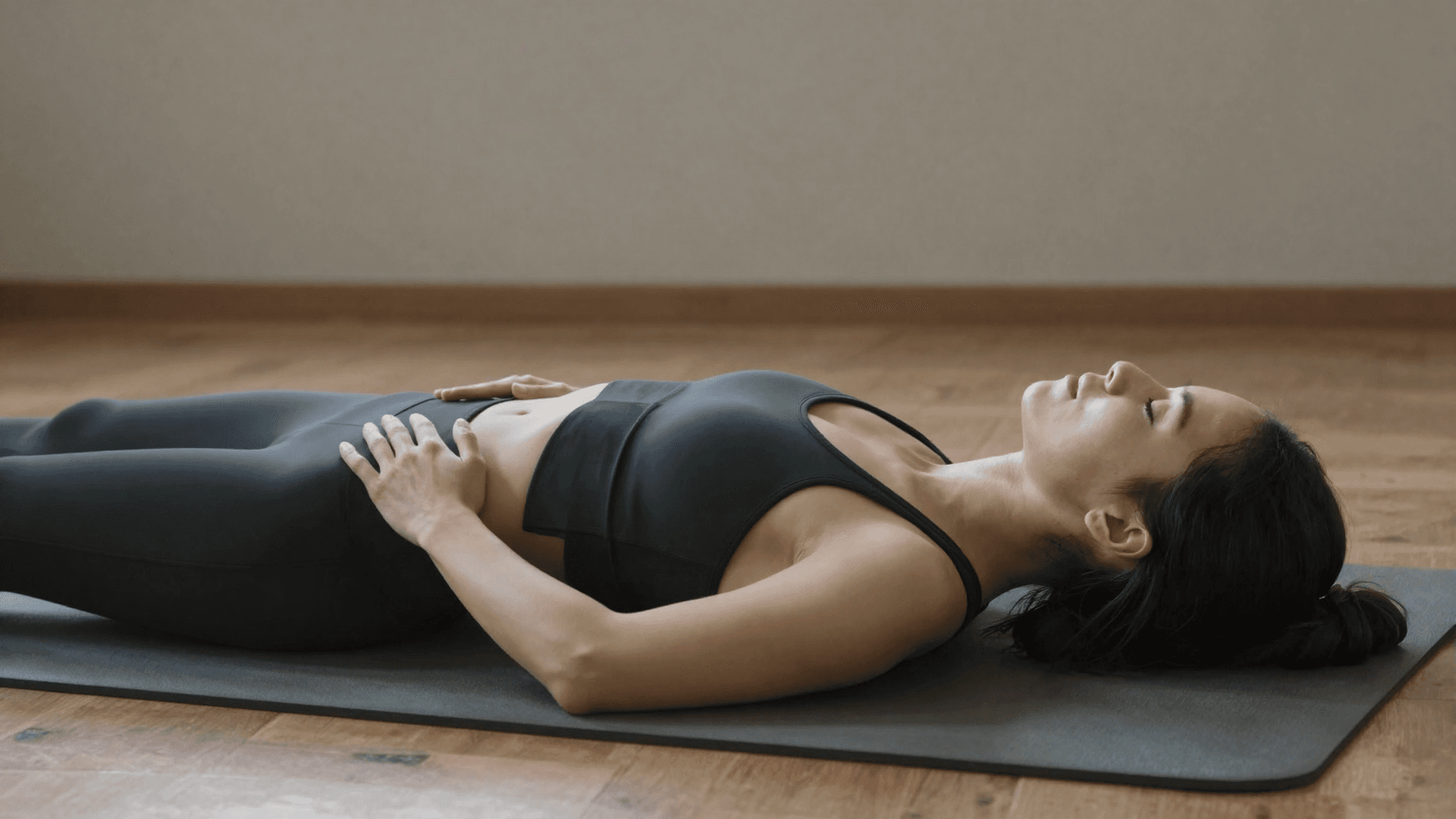
Frenzel and mouthfill solve the one problem that stops more beginner freedivers than fitness or fear ever does: equalising the ears under rising pressure.
Dec 5, 2024
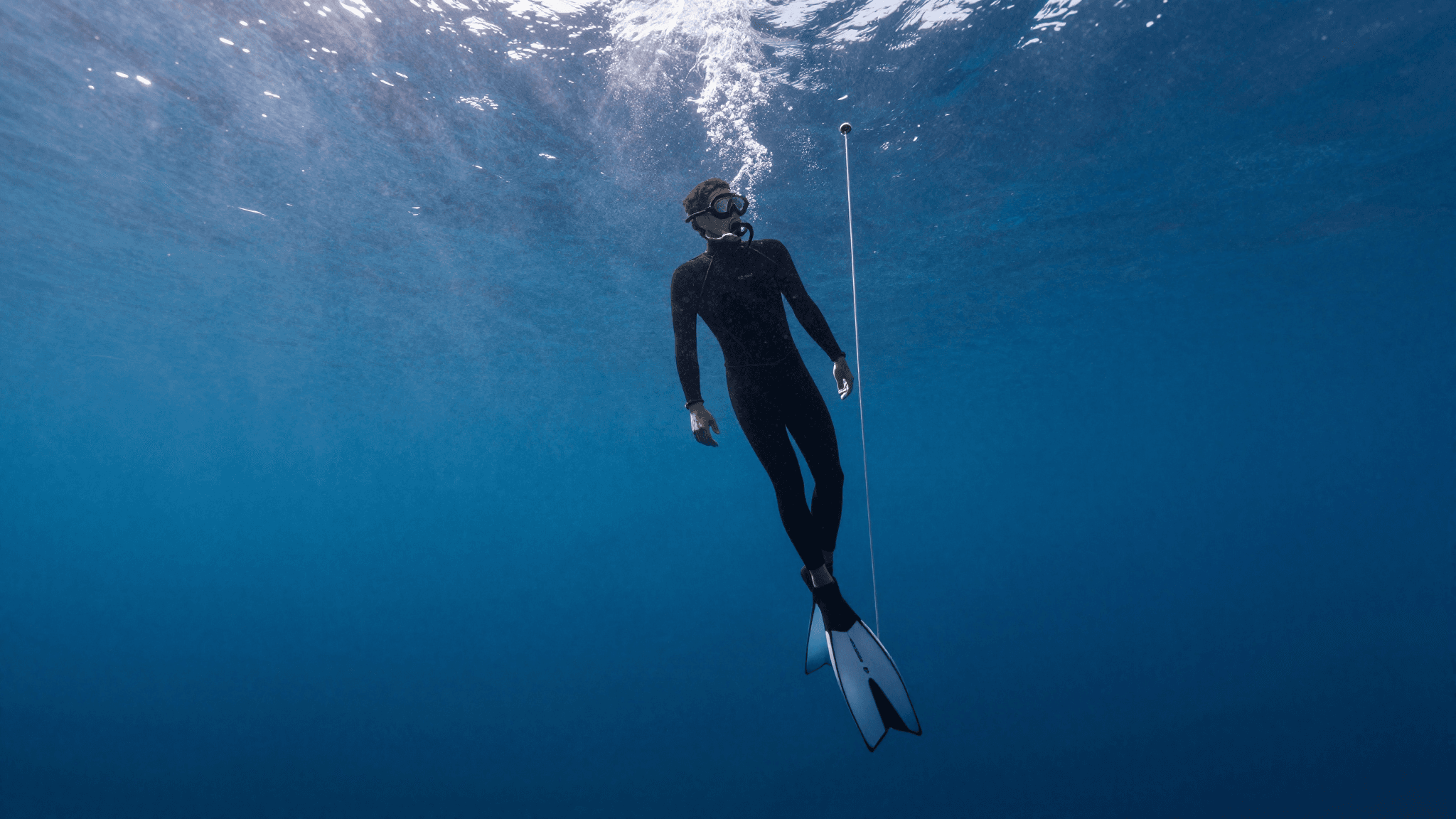
The Papahanaumokuakea Marine Debris Project works without scuba, in dives of 30 feet or less, and has just closed a five-year campaign with 147,000 pounds removed this season.
Nov 3, 2026

One demands breath control and stillness, the other demands equipment discipline. Here is what separates them and where beginners should start.
Jun 24, 2025

CWT, CNF, FIM, STA, DYN: a plain guide to how competitive freediving is actually judged, discipline by discipline, and why the letters matter more than the depth alone.
Feb 14, 2024
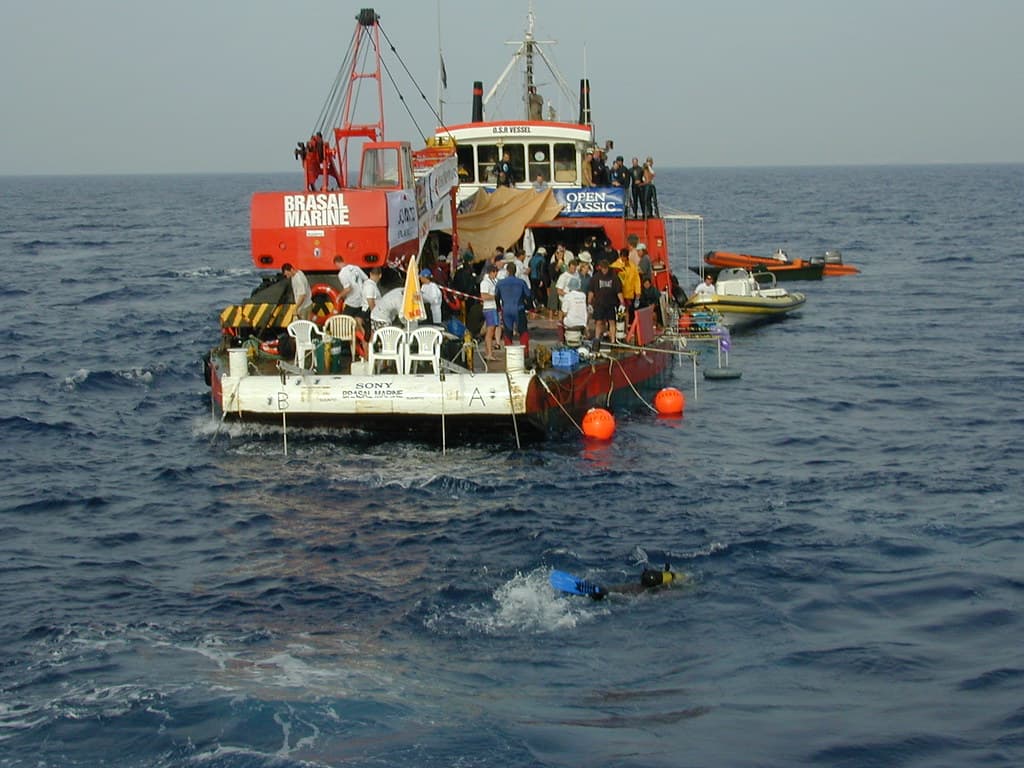
The current constant weight world records, the athletes behind them, and the federations, AIDA and CMAS, that ratify every metre added to the books.
Jan 15, 2026
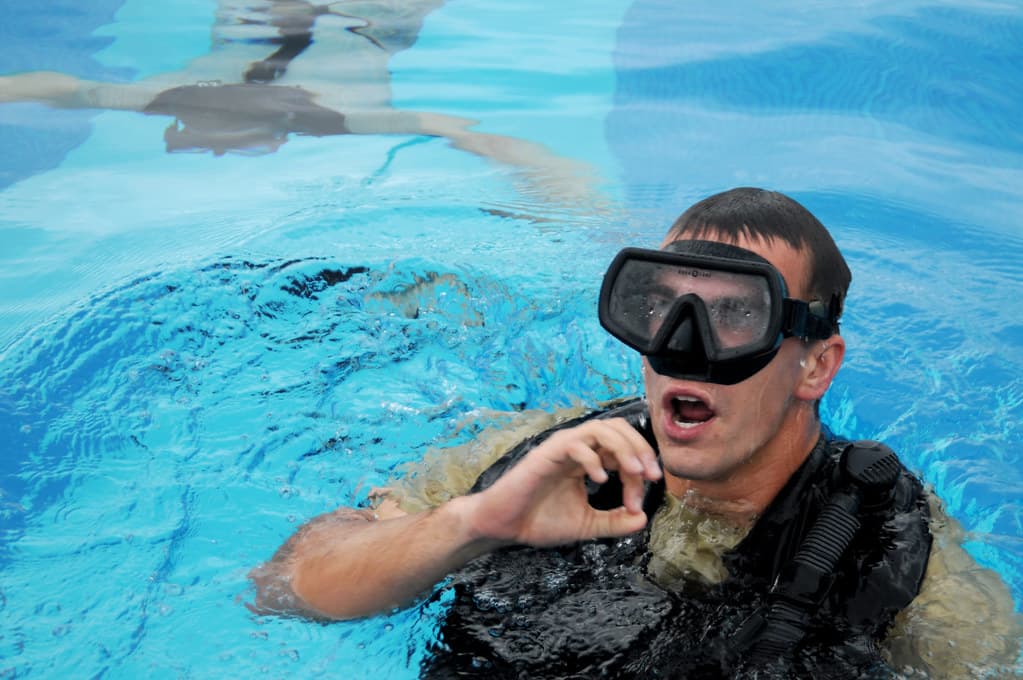
Two tables, two different adaptations, and a hard rule about where you do them. One trains tolerance to discomfort, the other trains efficiency at low oxygen, and confusing them wastes weeks.
Aug 12, 2026
The world's deepest pool holds 14 million litres at a constant 30C, with a sunken city at the bottom. What it removes from diving turns out to be the interesting part.
Aug 6, 2026
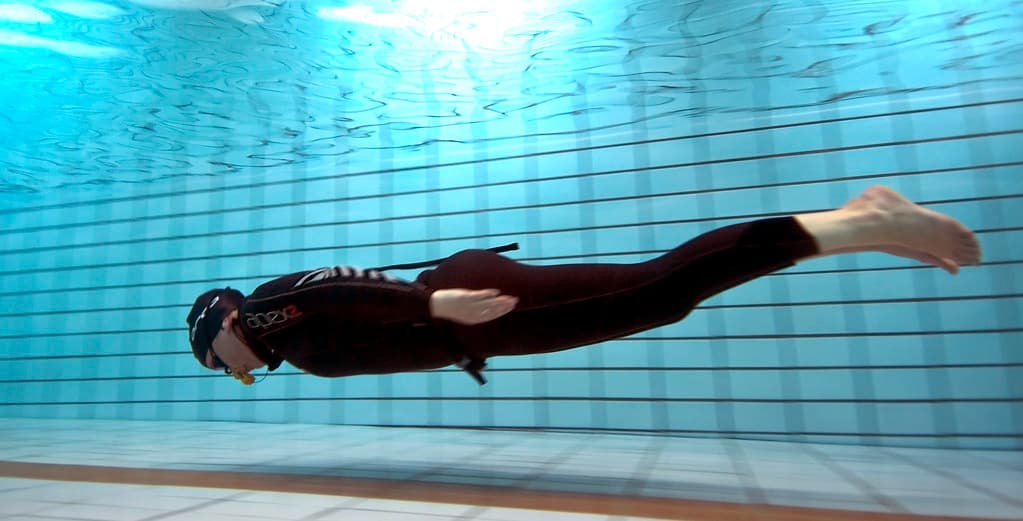
Egypt's most famous sinkhole is also its most argued-over dive site. What the Blue Hole actually is, and why so much depends on who is diving it.
May 20, 2024

Divers who silt the bottom, burn through gas, struggle to hold a safety stop and finish cold usually share one cause. They are carrying too much lead, and every other symptom follows from it.
Sep 5, 2026
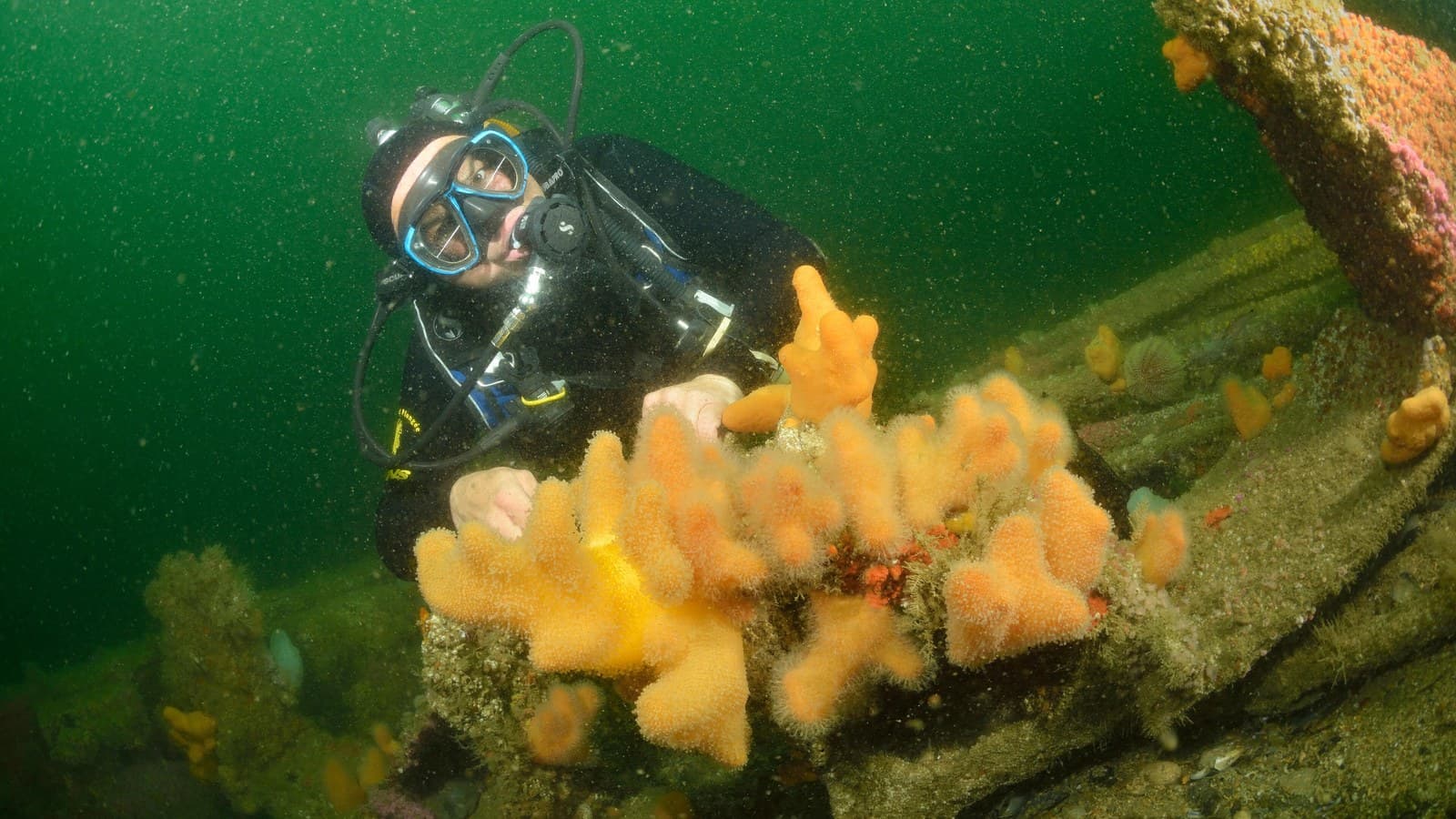
Three Egyptian dive bases, three different Red Seas. Here is what Hurghada, Sharm el-Sheikh and Dahab each actually deliver underwater.
Feb 14, 2024
