Diving
The Mammalian Dive Reflex: A Human Body on One Breath
Submersion triggers an ancient reflex that slows the heart, redirects blood, and quietly reshapes what a trained freediver's body can survive underwater.
Sep 18, 2024
Search
22 stories for“diving physiology”
Submersion triggers an ancient reflex that slows the heart, redirects blood, and quietly reshapes what a trained freediver's body can survive underwater.
Sep 18, 2024
Below 50 metres, ordinary air becomes a liability for divers. Here is the physics behind nitrogen narcosis, rising gas density, and why trimix exists as the technical diving standard.
Jun 8, 2026
A dive computer tracks pressure and time with precision, but the model behind it cannot see the diver wearing it. Here is what that gap actually means.
Mar 19, 2026
Oxygen keeps divers alive, until pressure turns it toxic. Here is why central nervous system oxygen toxicity shapes every gas decision in technical diving.
Sep 10, 2024
Nitrogen narcosis dulls judgment before a diver notices anything is wrong. Here is why depth impairs decision making, and why self-diagnosis often fails.
May 22, 2024
The records look impossible until you learn what the body does when the face hits cold water. Most of the gain is physiological adaptation and relaxation, not lung size, and one record category is not comparable to the others.
Aug 11, 2026
Shallow water blackout does not warn its victim first. Here is the physiology behind it, why it strikes trained divers, and why solo breath hold diving is never safe.
Jun 10, 2024
Spearfishing shares its breath hold physiology with freediving, but a hunting mindset changes the risk calculation entirely, and blackout remains the top cause of death.
Apr 8, 2026
CO2 tables build genuine breath hold tolerance over weeks. Hyperventilating beforehand does the opposite of what beginners think it does, and it has killed trained divers.
Sep 2, 2025
Finnish cave specialists, Maldivian coast guard divers and DAN Europe medics carried out a coordinated recovery after the Vaavu Atoll cave tragedy.
May 22, 2026
Research divers work under formal scientific diving safety standards, but a marine science background does not make deep or technical diving inherently safer to attempt.
Jun 14, 2026
Older than PADI, structured as a non-profit membership association, and built on a principle almost nobody else uses: the instructor may exceed the standards, and is expected to.
Aug 12, 2026
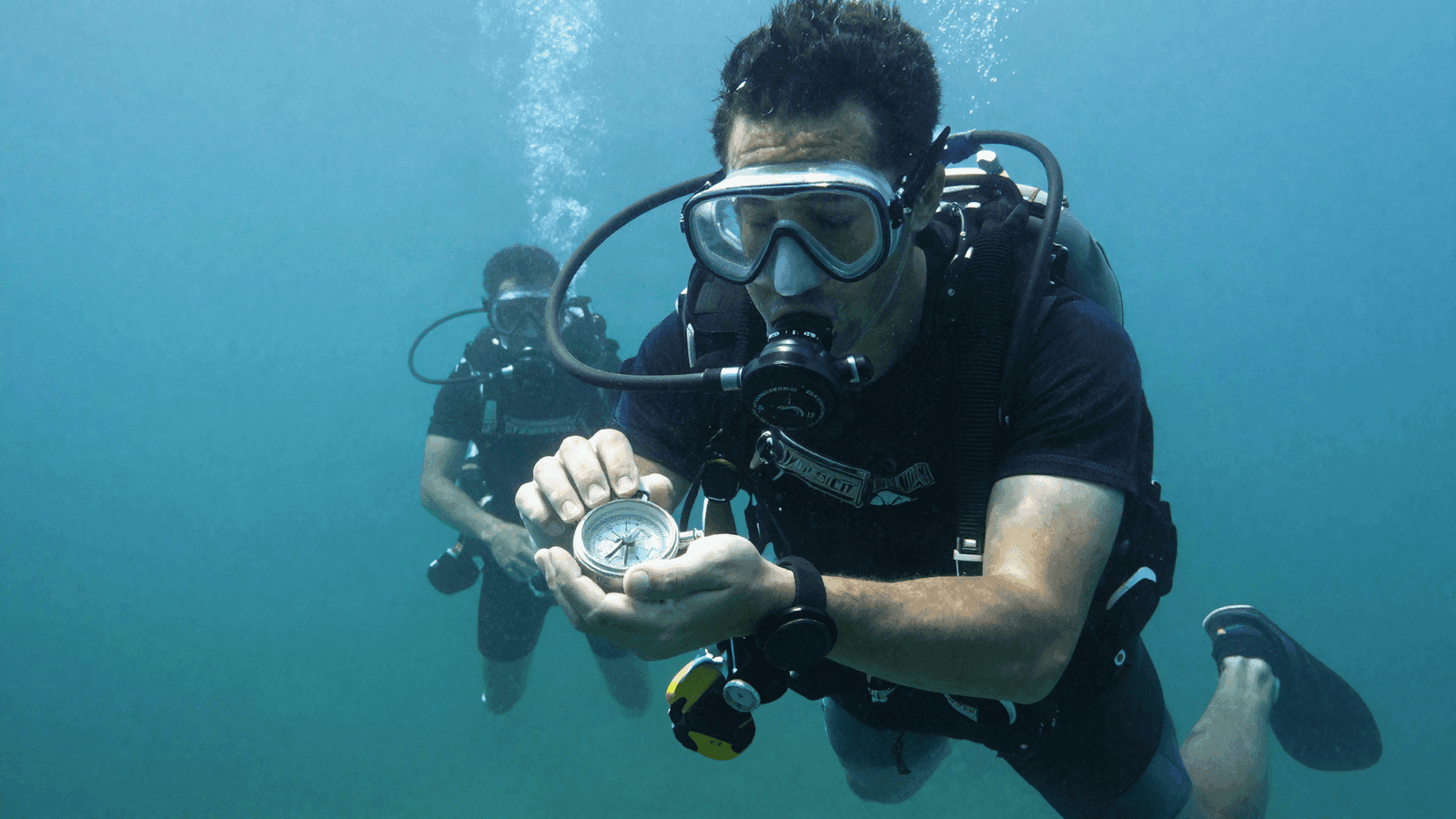
One Maldivian military diver died in the Vaavu Atoll mission. His service deserves gratitude, while the unanswered questions surrounding his death still demand scrutiny.
Jul 25, 2026
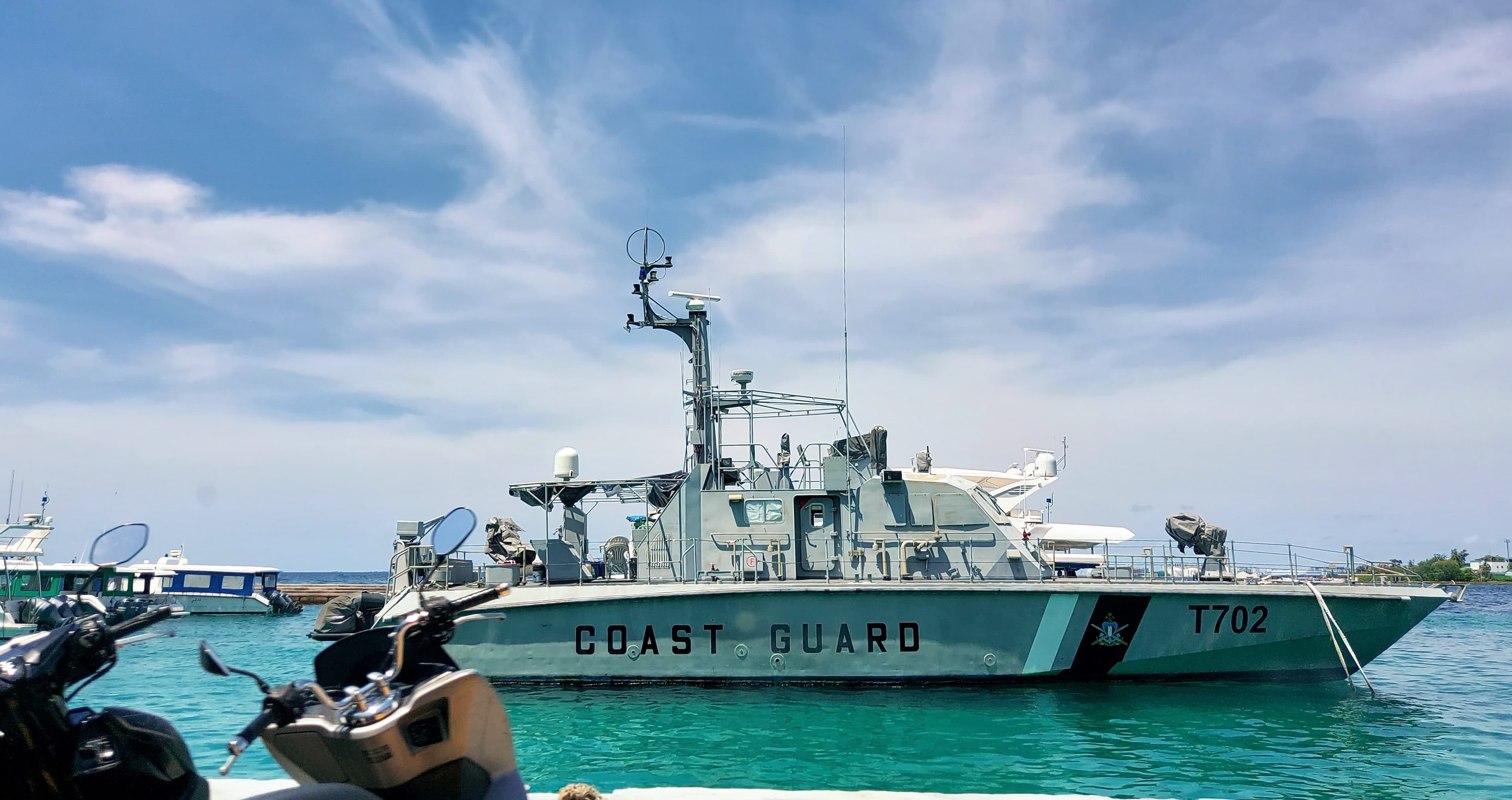
Breathe-up, diaphragmatic breathing and the recovery breath are the three that matter. Hyperventilation is the one that removes your warning that you are about to black out.
Aug 10, 2026
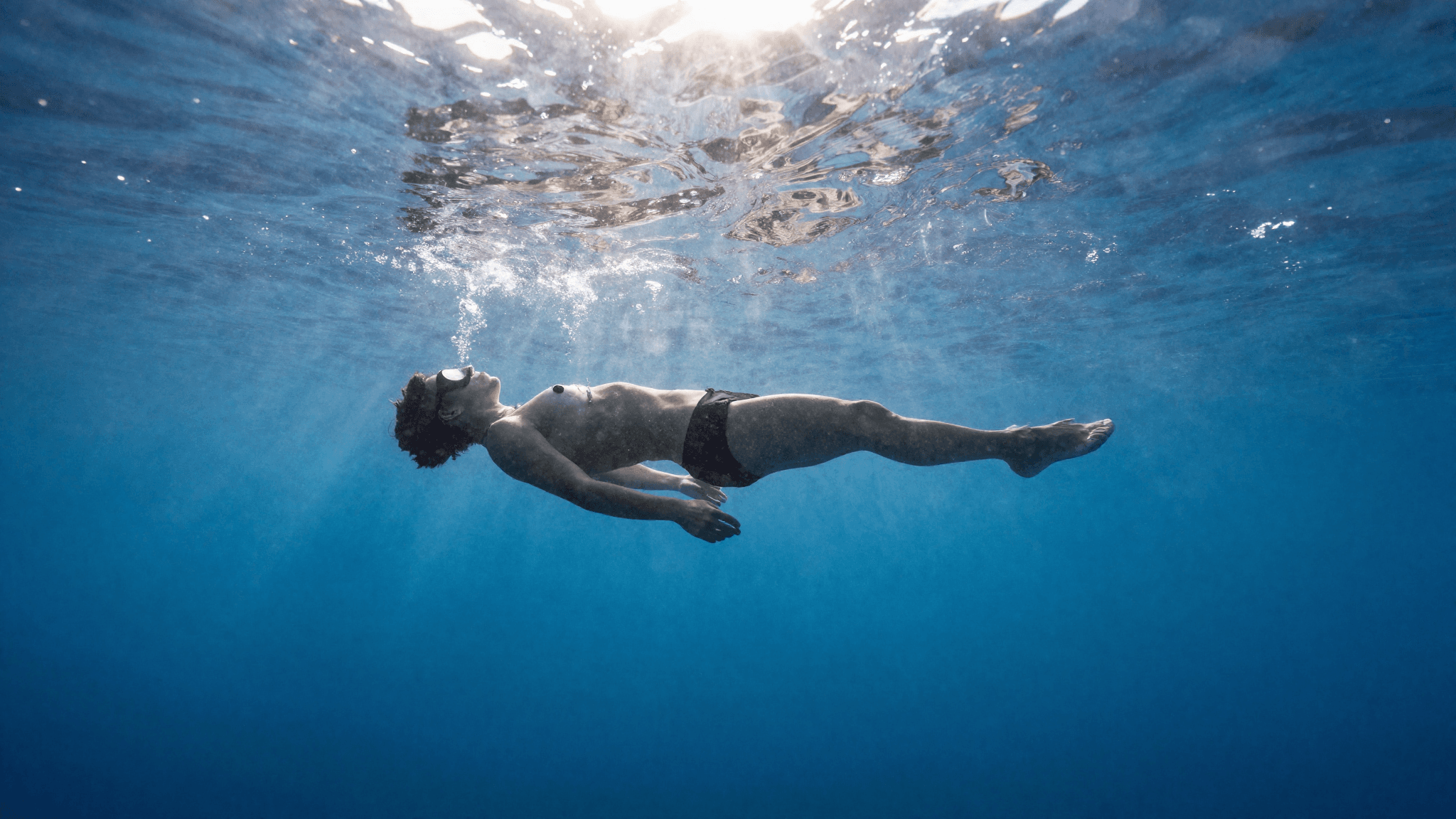
The world's largest training agency is also the most argued about. Setting the snobbery aside, here is what a PADI course actually mandates, where the flexibility sits, and what the card does not cover.
Aug 12, 2026
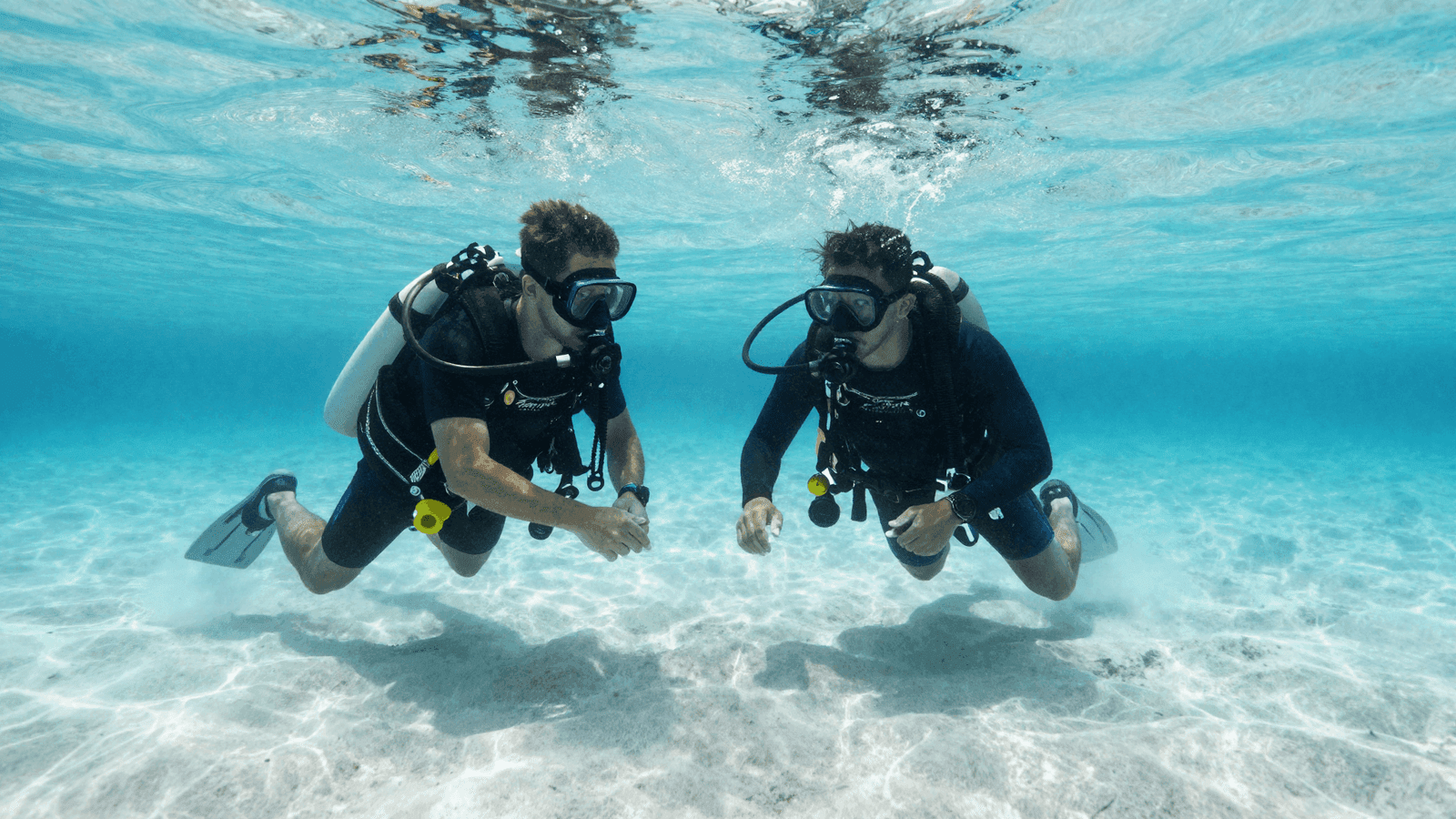
DAN is a name every diver knows, but membership and dive accident insurance are not the same thing. Here is what each one actually buys you.
Jun 30, 2025
The world's deepest pool holds 14 million litres at a constant 30C, with a sunken city at the bottom. What it removes from diving turns out to be the interesting part.
Aug 6, 2026
PFO, asthma, diabetes and certain medications can all change whether diving is safe. Here is why the medical questionnaire before a course matters.
Jan 27, 2025
MNDF Sergeant Major Mohamed Mahudhee died searching a Maldives cave for five missing divers. His death shows the risk that recovery divers accept on behalf of strangers.
May 24, 2026
CWT, CNF, FIM, STA, DYN: a plain guide to how competitive freediving is actually judged, discipline by discipline, and why the letters matter more than the depth alone.
Feb 14, 2024
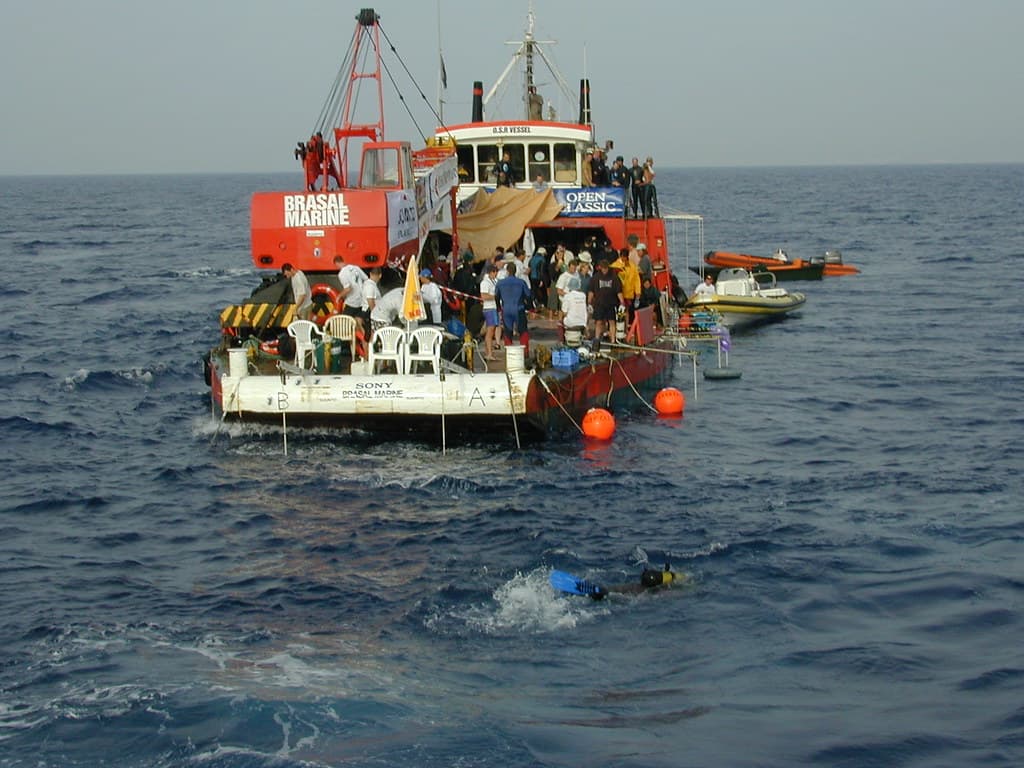
Divers call it the bends. Doctors call it decompression sickness. Here is what nitrogen bubbles actually do to tissue, and how hyperbaric treatment reverses it.
Feb 14, 2024
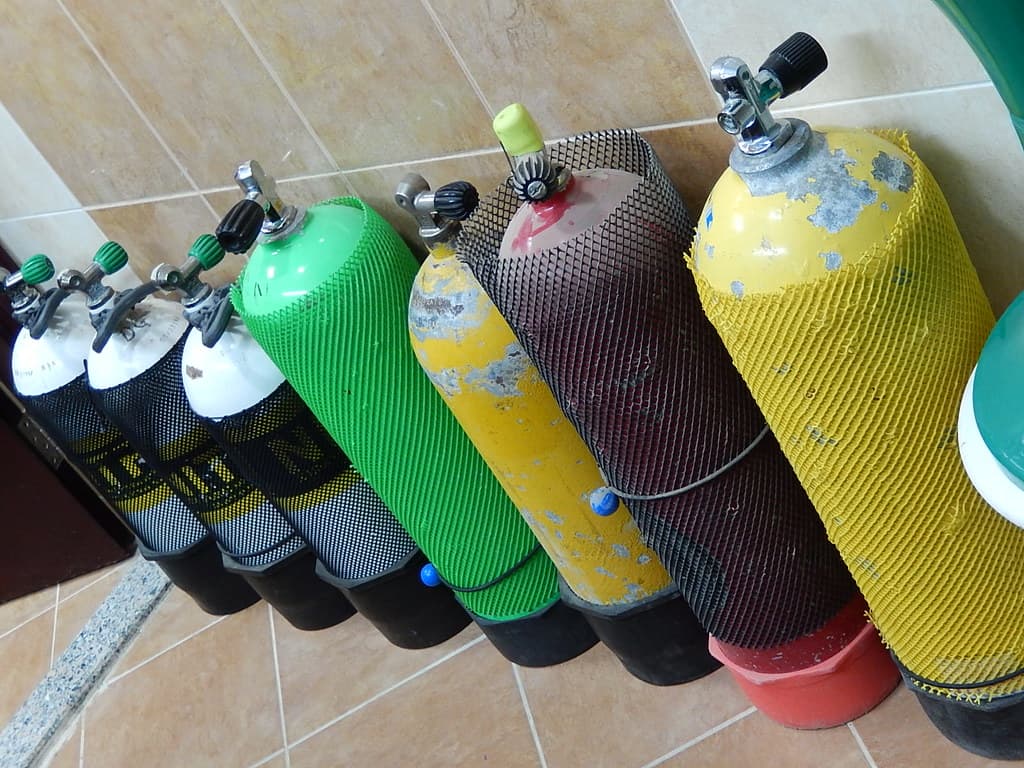
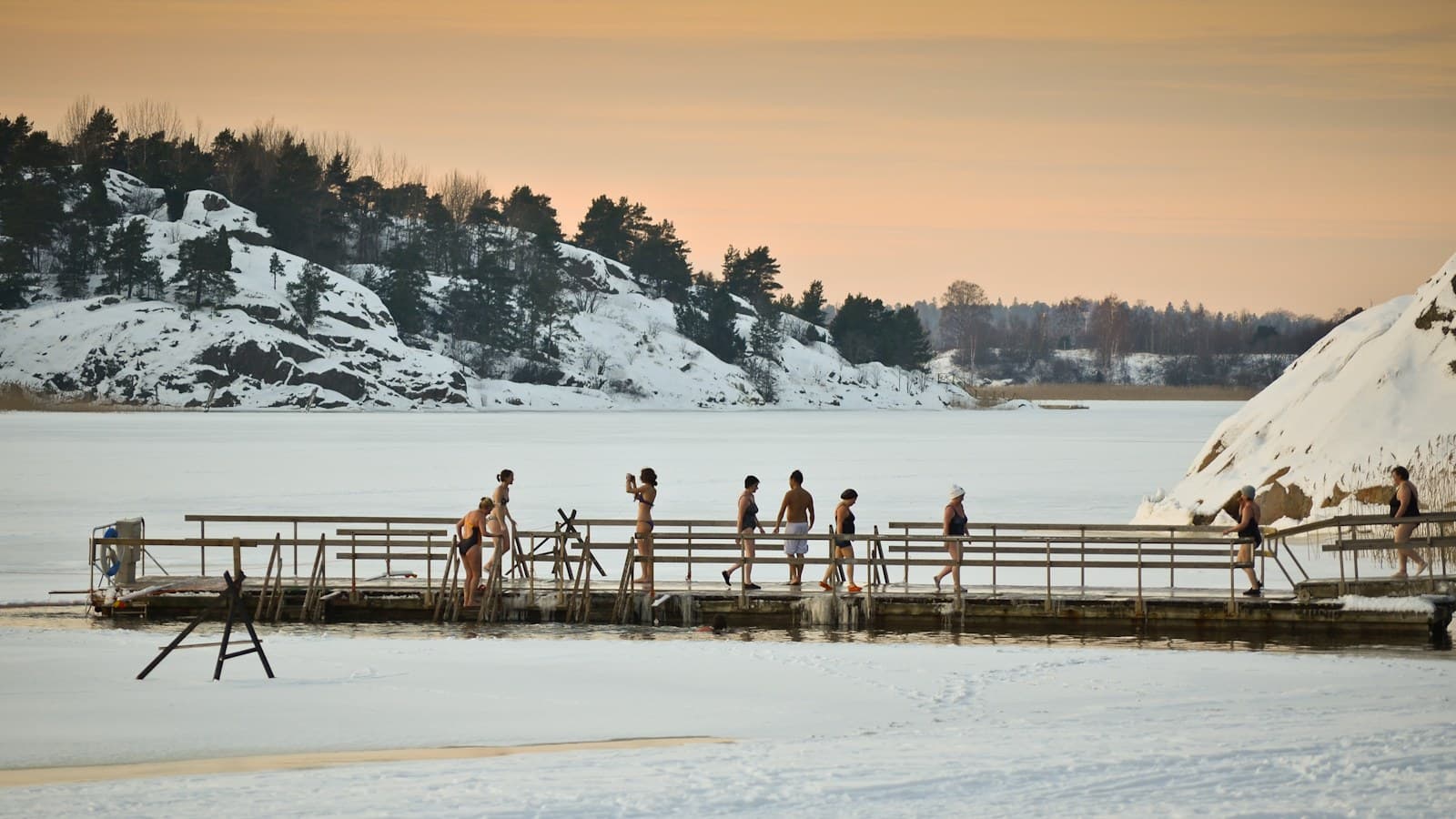
Three thousand Dutch adults who ended their showers cold took fewer sick days. A 2025 review of eleven trials found stress fell twelve hours after a plunge and inflammation rose. What is known, what is marketing, and why the first minute can kill.
Sep 6, 2026